
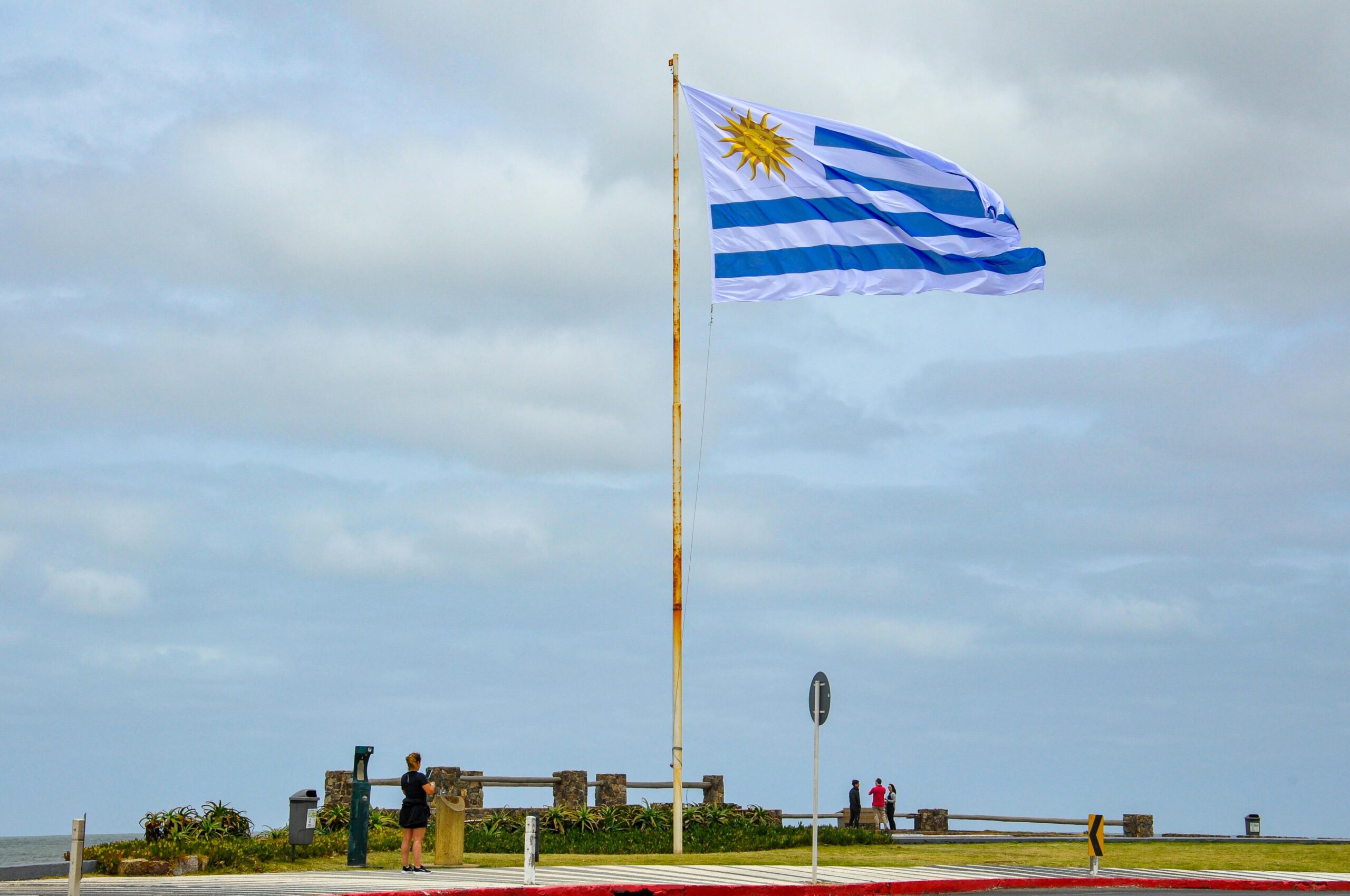
Uruguay is entering the new tourist season with measured optimism and solid expectations. After several challenging years shaped by global travel disruptions, economic uncertainty, and regional volatility, the country’s tourism sector is showing renewed confidence. Industry leaders, government officials, and local businesses anticipate a robust influx of visitors, particularly during the Southern Hemisphere summer, positioning tourism once again as a key driver of Uruguay’s economy.
Beyond headline projections, this optimism is grounded in structural strengths, strategic planning, and shifting traveler preferences that favor destinations like Uruguay.
Why Uruguay Is Expecting a Strong Tourist Season
1. Regional Tourism Recovery
Uruguay’s tourism is closely linked to regional travel, especially from Argentina and Brazil, which together account for a significant share of arrivals. Improved economic conditions, currency dynamics, and eased travel restrictions in neighboring countries are encouraging cross-border travel once again.
Short-haul tourism, weekend trips, and extended summer stays are all expected to increase, particularly from Argentine travelers seeking stability, safety, and high-quality services.
2. Competitive Exchange Rates and Value for Money
Currency fluctuations have made Uruguay more attractive to foreign visitors. While the country has traditionally been perceived as relatively expensive compared to some neighbors, favorable exchange rates and targeted pricing strategies are helping reposition Uruguay as good value for quality tourism.
Visitors are increasingly willing to pay for:
- Safety and political stability
- Clean cities and beaches
- Reliable infrastructure
- High standards of food, lodging, and services
3. Strong Domestic Tourism
Domestic tourism continues to play a stabilizing role. Uruguayans increasingly travel within the country, supporting coastal towns, rural tourism ventures, and cultural destinations. This internal demand helps smooth seasonal fluctuations and strengthens local economies beyond peak months.
Key Destinations Driving Growth
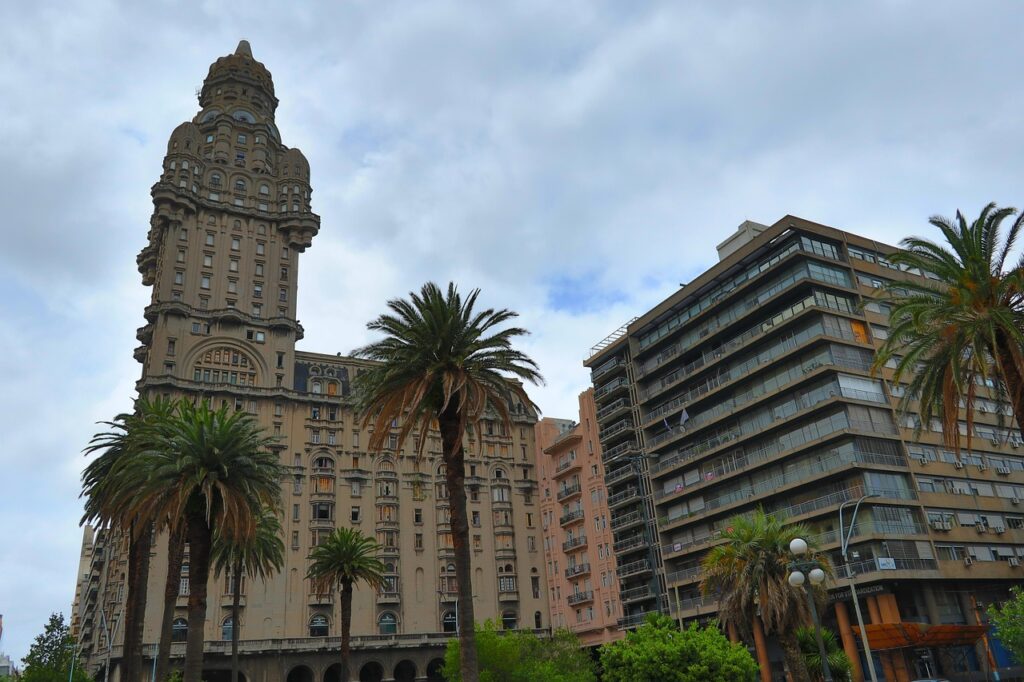
Montevideo
The capital remains a hub for:
- Cultural tourism
- Gastronomy and wine experiences
- Conferences and events
Montevideo’s mix of historic neighborhoods, coastal promenades, and urban lifestyle appeals to both regional and international visitors.
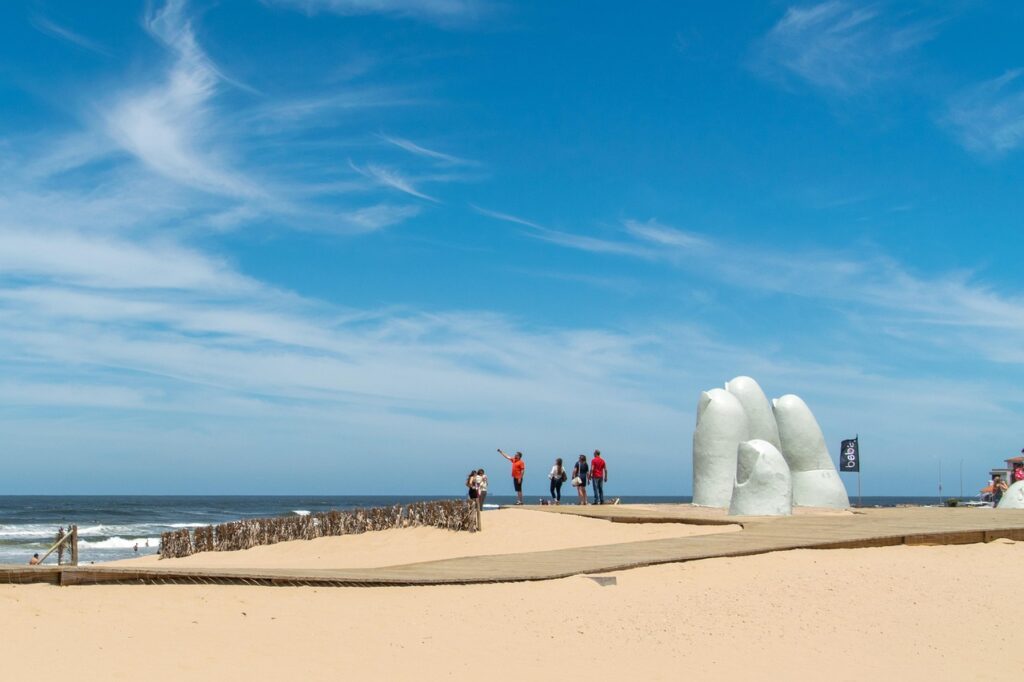
Punta del Este
Uruguay’s most famous resort destination is once again expected to attract:
- High-spending tourists
- Luxury travelers
- Seasonal residents from Argentina and Brazil
Investments in hospitality, events, and infrastructure continue to reinforce Punta del Este’s reputation as a premium destination.
Coastal and Nature-Based Tourism
Beyond Punta del Este, destinations such as:
- Rocha’s beaches
- Thermal tourism regions
- Rural estancias and wine routes
are benefiting from travelers seeking quieter, nature-focused, and authentic experiences.
Tourism Strategy: Quality Over Quantity
Uruguay has increasingly positioned itself around sustainable, high-quality tourism, rather than mass tourism. This strategy includes:
- Promoting longer stays rather than high turnover
- Encouraging cultural, gastronomic, and rural tourism
- Supporting small and medium tourism enterprises
- Protecting natural and coastal ecosystems
This approach aligns well with global trends toward slower, more meaningful travel.
Economic Impact and Employment
Tourism is a significant contributor to Uruguay’s economy, supporting:
- Hotels and short-term rentals
- Restaurants and food producers
- Transportation and logistics
- Cultural and creative industries
A strong tourist season translates directly into job creation and income generation, especially in coastal and rural regions where tourism is a primary economic activity.
Challenges That Remain
Despite positive expectations, the sector still faces challenges:
1. Cost Structure
Uruguay’s higher labor and operating costs compared to some neighboring destinations remain a concern for competitiveness.
2. Infrastructure Pressure
Peak-season demand can strain roads, accommodations, and public services in popular coastal areas.
3. Climate and Weather Uncertainty
Extreme weather events and changing climate patterns can affect beach tourism and seasonal planning.
Addressing these challenges requires continued investment, coordination, and long-term planning.
Government and Private Sector Coordination
A key reason for optimism is the coordination between public authorities and the private sector. Efforts include:
- Tourism promotion campaigns
- Infrastructure upgrades
- Streamlined regulations
- Support for sustainable tourism initiatives
This collaborative approach helps create a stable environment for investment and growth.
What Sets Uruguay Apart as a Destination
Uruguay’s appeal goes beyond beaches:
- Political and social stability
- Strong rule of law
- Safety and cleanliness
- High-quality food and wine
- A relaxed, welcoming lifestyle
These attributes resonate strongly with travelers seeking peace of mind and authentic experiences.
Frequently Asked Questions (FAQs)
1. Why are expectations high for Uruguay’s tourist season?
Improved regional travel conditions, favorable exchange rates, strong domestic tourism, and targeted promotion have boosted confidence across the tourism sector.
2. Which tourists are most important for Uruguay?
Regional visitors from Argentina and Brazil remain the most significant, though Uruguay also attracts travelers from Europe and North America seeking safe, high-quality destinations.
3. Is Uruguay an affordable destination?
While not the cheapest in the region, Uruguay offers strong value through safety, quality services, and reliable infrastructure, especially with current exchange rate conditions.
4. What types of tourism are growing fastest?
Nature-based tourism, rural experiences, gastronomy, wine tourism, and cultural travel are all seeing increased interest.
5. How does tourism benefit Uruguay’s economy?
Tourism generates employment, foreign currency, supports small businesses, and stimulates regional development, particularly in coastal and rural areas.
Conclusion
Uruguay’s confidence heading into the tourist season reflects more than optimism—it reflects strategic positioning and long-term planning. By emphasizing quality, sustainability, and safety, the country is well aligned with evolving global travel trends.
If current expectations hold, the upcoming season could mark another important step in strengthening Uruguay’s tourism sector—one that balances economic growth with environmental protection and community well-being, ensuring tourism remains a reliable pillar of the national economy.
Sources Prensa Latina

