
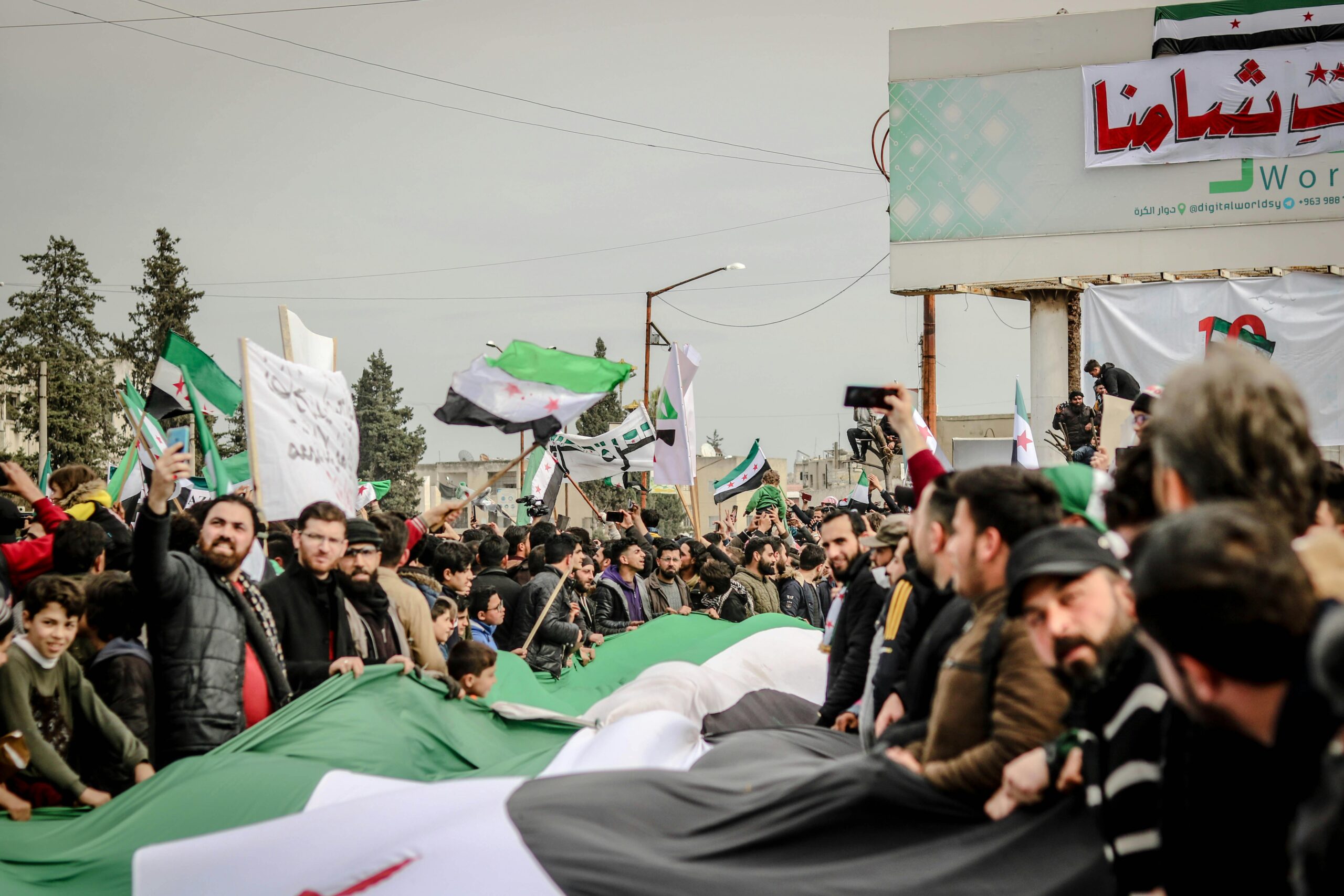
Escalating tensions in the Middle East have once again highlighted the fragile relationship between geopolitics and global tourism. Recent developments—including reported military actions involving Iran and threats to strategic and symbolic sites—have triggered international concern, not only for regional security but also for the broader impact on global travel.
With the United States deploying additional military personnel to the region and warnings about potential risks to key infrastructure and tourism sites, the situation underscores how conflict can ripple far beyond immediate battle zones—affecting economies, traveler confidence, and international mobility.
This article explores the implications of rising tensions, how they intersect with global tourism, and what it means for travelers, governments, and the tourism industry worldwide.

The Immediate Situation: Escalation and Military Response
Recent reports indicate a sharp escalation in regional tensions, including attacks on critical infrastructure such as oil facilities. These developments have prompted swift responses from global powers, including increased military deployments aimed at deterring further conflict and protecting strategic interests.
The Middle East is home to vital global assets:
- Major oil and gas infrastructure
- Key international shipping routes
- Globally recognized cultural and tourism sites
Any instability in the region has immediate global consequences, particularly for energy markets and international travel networks.
Why Tourism Is Affected by Conflict
Tourism is highly sensitive to geopolitical developments. Even the threat of conflict—without direct impact on tourist areas—can lead to significant changes in travel behavior.
1. Safety Concerns
Travelers prioritize safety above all else. News of military activity or threats can quickly lead to:
- Trip cancellations
- Reduced bookings
- Changes in travel plans
Even destinations geographically distant from conflict zones may experience declines due to perceived regional risk.
2. Travel Advisories
Governments often issue updated travel advisories during periods of tension. These advisories can discourage or restrict travel, especially to affected regions.
Insurance companies may also adjust coverage, making travel more complicated.
3. Airline Disruptions
Airspace restrictions and security concerns can force airlines to reroute flights.
This leads to:
- Longer travel times
- Increased fuel costs
- Higher ticket prices
These changes can reduce demand for travel to and through the region.
Threats to Tourism and Cultural Sites
One of the most concerning aspects of rising tensions is the potential risk to cultural landmarks and tourism sites.
The Middle East is home to some of the world’s most important historical and cultural destinations, including:
- Ancient cities and archaeological sites
- Religious landmarks significant to multiple faiths
- Modern tourism hubs such as Dubai, Doha, and Abu Dhabi
Threats to such sites carry both symbolic and economic consequences.
Cultural Loss
Damage to heritage sites represents an irreplaceable loss of human history and cultural identity.
Economic Impact
Tourism is a major economic sector for many countries in the region. Reduced visitor numbers can affect:
- Hotels and hospitality businesses
- Tour operators
- Local communities dependent on tourism
The Global Ripple Effect
The impact of Middle East tensions extends far beyond the region itself.
Energy Markets and Travel Costs
Disruptions to oil infrastructure can lead to rising global fuel prices. This directly affects:
- Airline operating costs
- Transportation expenses
- Overall travel affordability
Higher costs can reduce global travel demand.
Changing Travel Patterns
Travelers may shift their plans to alternative destinations perceived as safer.
Regions such as:
- Europe
- Southeast Asia
- Domestic travel markets
may see increased demand as travelers avoid areas associated with instability.

The Role of Military Presence
The deployment of additional military forces is intended to stabilize the situation and deter escalation.
From a tourism perspective, such actions can have mixed effects:
- Positive: Reassures travelers that security is being maintained
- Negative: Reinforces perceptions of danger in the region
Public perception often plays a larger role than actual risk levels in shaping travel decisions.
Tourism Industry Response
Tourism boards, airlines, and travel companies are closely monitoring developments.
Common responses include:
- Flexible booking policies to accommodate cancellations
- Real-time travel updates for customers
- Adjusted marketing strategies to focus on safer destinations
Some countries in the region may also increase efforts to reassure visitors about safety.
Lessons From Past Conflicts
Historically, tourism has proven to be resilient.
After previous geopolitical crises:
- Travel demand often declined temporarily
- Recovery followed once stability returned
- Destinations adapted by diversifying tourism markets
These patterns suggest that while disruptions can be severe, they are often not permanent.
The Role of Media and Perception
Media coverage plays a significant role in shaping how travelers perceive risk.
Continuous reporting on conflict can:
- Amplify concerns
- Influence public opinion
- Affect travel decisions even in unaffected areas
Accurate and balanced information is essential for helping travelers make informed choices.
Preparing for Uncertainty
For travelers, navigating uncertain conditions requires careful planning.
Key considerations include:
- Checking official travel advisories
- Purchasing comprehensive travel insurance
- Staying informed about airline policies
- Being flexible with travel plans
For the tourism industry, adaptability remains critical.
Frequently Asked Questions (FAQs)
1. How does conflict in the Middle East affect global tourism?
It can disrupt travel routes, increase costs, and influence traveler confidence worldwide.
2. Are all Middle Eastern destinations unsafe during conflicts?
No. Many areas remain safe, but perception often affects travel decisions.
3. Why are tourism sites at risk during conflicts?
Some sites may be located near strategic areas or hold symbolic significance.
4. How do airlines respond to regional tensions?
Airlines may reroute flights, adjust schedules, or increase prices due to operational challenges.
5. Should travelers cancel trips to the region?
Decisions should be based on official advisories and individual risk tolerance.
6. How does military deployment affect tourism?
It can provide security reassurance but may also signal instability to travelers.
7. Will tourism recover after tensions ease?
Historically, tourism tends to recover once stability returns.
8. What can travelers do to stay safe?
Stay informed, follow government advice, and remain flexible with travel plans.
Conclusion
The latest escalation in Middle Eastern tensions highlights the deep connection between geopolitics and global tourism. While the immediate focus remains on security and stability, the broader impact on travel patterns, economic activity, and cultural preservation is significant.
Tourism thrives on openness, safety, and connection—qualities that can be disrupted by conflict but often return with resilience. As the situation evolves, travelers, governments, and the tourism industry will need to navigate uncertainty while preparing for recovery in a world where global events are increasingly interconnected.

Sources CBC

