
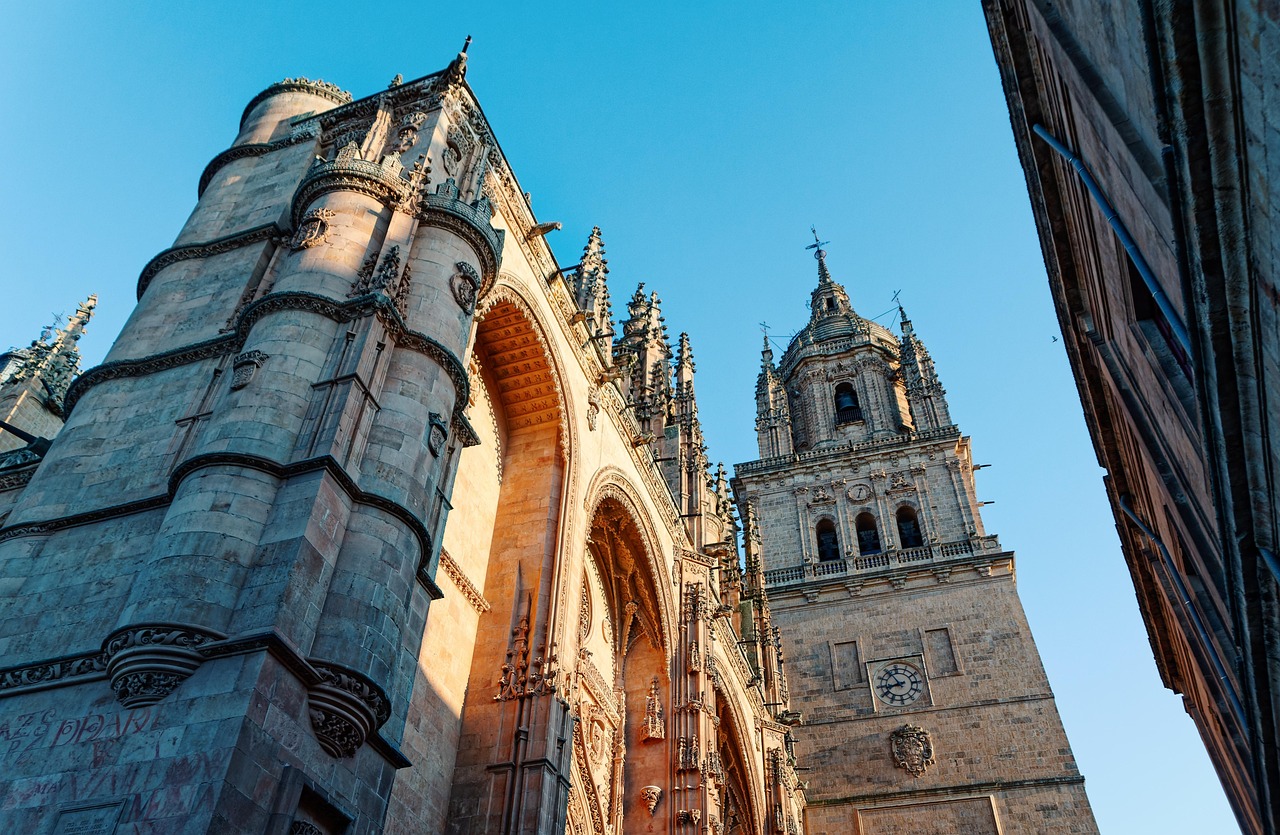
As global tourism continues to rebound and evolve, the need for sustainable, inclusive, and culturally responsible travel has never been more urgent. In response, UNESCO (United Nations Educational, Scientific and Cultural Organization) and UN Tourism (formerly the UN World Tourism Organization) have signed a new agreement aimed at strengthening cooperation in promoting sustainable tourism worldwide.
This partnership reflects a growing recognition that tourism is not just an economic activity—it is deeply connected to cultural heritage, environmental conservation, and community development. By aligning their efforts, these two major international organizations aim to shape a future where tourism benefits both people and the planet.

Why This Partnership Matters
Tourism is one of the world’s largest industries, accounting for a significant share of global employment and economic activity. However, rapid growth has also created challenges, including:
- Over-tourism in popular destinations
- Environmental degradation
- Loss of cultural authenticity
- Unequal distribution of economic benefits
UNESCO and UN Tourism each play distinct roles in addressing these issues:
- UNESCO focuses on protecting cultural and natural heritage sites
- UN Tourism promotes sustainable tourism development and policy guidance
By working together, they aim to bridge the gap between heritage preservation and tourism growth.
Key Goals of the Agreement
The new agreement outlines several areas of cooperation designed to improve how tourism is managed globally.
1. Protecting Cultural Heritage
UNESCO oversees more than 1,100 World Heritage Sites around the world, including landmarks like the Great Wall of China, the Pyramids of Giza, and the historic centers of European cities.
Tourism can provide funding for these sites—but excessive visitor numbers can also cause damage.
The partnership aims to:
- Develop better visitor management strategies
- Promote responsible tourism practices
- Ensure that heritage sites are preserved for future generations
2. Promoting Sustainable Tourism Policies
UN Tourism provides guidance to governments on tourism development.
Through this collaboration, both organizations will support countries in:
- Creating sustainable tourism strategies
- Balancing economic growth with environmental protection
- Encouraging long-term planning rather than short-term gains
3. Supporting Local Communities
One of the central goals of the agreement is to ensure that tourism benefits local populations.
This includes:
- Supporting community-based tourism initiatives
- Promoting local culture and traditions
- Creating jobs and economic opportunities
By focusing on inclusivity, the partnership aims to reduce inequality in tourism development.
4. Addressing Climate Change
Tourism is both affected by and contributes to climate change.
The agreement emphasizes:
- Reducing carbon emissions from travel
- Protecting natural ecosystems
- Promoting eco-friendly tourism practices
Climate resilience will be a key focus, particularly for vulnerable destinations such as island nations and coastal regions.
The Role of World Heritage Sites in Tourism
World Heritage Sites are among the most visited destinations globally. These sites often serve as cultural and historical anchors for tourism.
However, their popularity can lead to:
- Overcrowding
- Physical damage to structures
- Strain on local infrastructure
Examples of challenges include:
- Venice dealing with mass tourism and cruise ship traffic
- Machu Picchu implementing visitor limits
- The Great Barrier Reef facing environmental stress
The UNESCO–UN Tourism partnership aims to create models for responsible tourism at these iconic sites.

Moving Toward Regenerative Tourism
Beyond sustainability, the agreement also reflects a shift toward regenerative tourism—a model that goes beyond minimizing harm to actively improving destinations.
Regenerative tourism focuses on:
- Restoring ecosystems
- Strengthening local cultures
- Enhancing community well-being
This approach represents the next phase of tourism development.
Technology and Data in Sustainable Tourism
Modern tourism management increasingly relies on data and technology.
The partnership may support:
- Digital monitoring of visitor numbers
- Smart tourism systems for crowd management
- Data-driven decision-making for policy development
These tools can help destinations manage tourism more effectively and prevent overuse.
Global Impact and Regional Applications
The agreement is expected to influence tourism policies worldwide.
Developing Countries
Many developing nations rely heavily on tourism revenue. Sustainable practices can help ensure long-term economic stability.
Urban Destinations
Cities facing over-tourism can benefit from improved planning and visitor distribution strategies.
Natural Environments
Protected areas such as national parks and marine reserves can use tourism as a tool for conservation when managed responsibly.
Challenges Ahead
While the partnership is promising, several challenges remain.
Implementation
Turning global agreements into local action requires coordination between governments, businesses, and communities.
Funding
Sustainable tourism initiatives often require significant investment in infrastructure and education.
Balancing Growth and Preservation
Finding the right balance between attracting tourists and protecting resources remains a complex task.
The Future of Sustainable Travel
The collaboration between UNESCO and UN Tourism signals a broader shift in how the world approaches travel.
Future tourism trends are likely to emphasize:
- Responsible visitor behavior
- Cultural preservation
- Environmental sustainability
- Community engagement
Travelers themselves will play a key role by making informed and ethical choices.
Frequently Asked Questions (FAQs)
1. What is the purpose of the UNESCO and UN Tourism agreement?
The agreement aims to promote sustainable tourism while protecting cultural and natural heritage.
2. What is UNESCO’s role in tourism?
UNESCO focuses on preserving cultural and natural heritage, including World Heritage Sites.
3. What does UN Tourism do?
UN Tourism supports global tourism development through policy guidance and research.
4. Why is sustainable tourism important?
It helps protect the environment, preserve culture, and ensure long-term economic benefits.
5. What is regenerative tourism?
Regenerative tourism goes beyond sustainability by actively improving ecosystems and communities.
6. How can tourism harm heritage sites?
Overcrowding, pollution, and infrastructure strain can damage cultural and natural landmarks.
7. How will this agreement affect travelers?
Travelers may see more sustainable tourism options and guidelines for responsible travel.
8. Can tourism help local communities?
Yes. When managed properly, tourism can create jobs, support local businesses, and preserve cultural traditions.
Conclusion
The new agreement between UNESCO and UN Tourism represents a significant step toward redefining the future of global travel. By combining expertise in cultural preservation and tourism development, the partnership aims to ensure that tourism remains a positive force in the world.
As the industry continues to grow, the challenge will be maintaining a balance between exploration and preservation. With the right strategies—and cooperation at every level—tourism can evolve into a model that benefits not just travelers, but also the communities and environments they visit.

Sources UNESCO

