
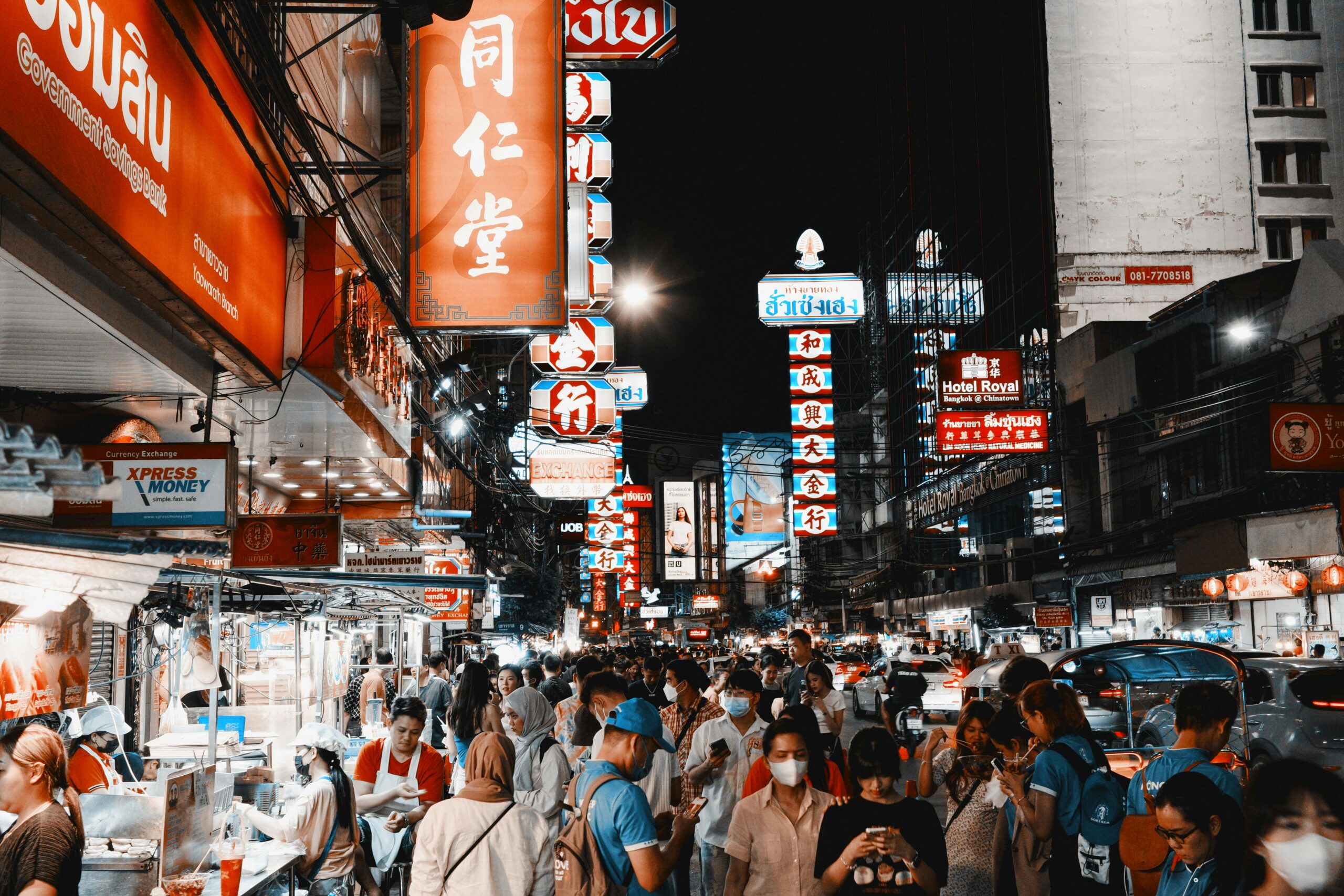
For millions of travelers, a vacation begins with a flight booking.
For many countries across Asia, tourism begins with affordable fuel.
That connection has become painfully clear as the ongoing Iran war sends shockwaves through global energy markets, aviation networks, and consumer spending. What started as a geopolitical conflict in the Middle East has evolved into an economic challenge for tourism-dependent nations thousands of miles away.
Countries such as Thailand, Vietnam, Cambodia, Indonesia, the Philippines, Malaysia, and Nepal have spent years rebuilding their tourism sectors after the COVID-19 pandemic. Just as visitor numbers were approaching recovery, rising fuel prices, flight disruptions, inflation, and growing economic uncertainty have created a new threat to the industry’s future. The result is a troubling reality: many travelers are postponing trips, airlines are raising fares, and tourism businesses are once again facing uncertainty.
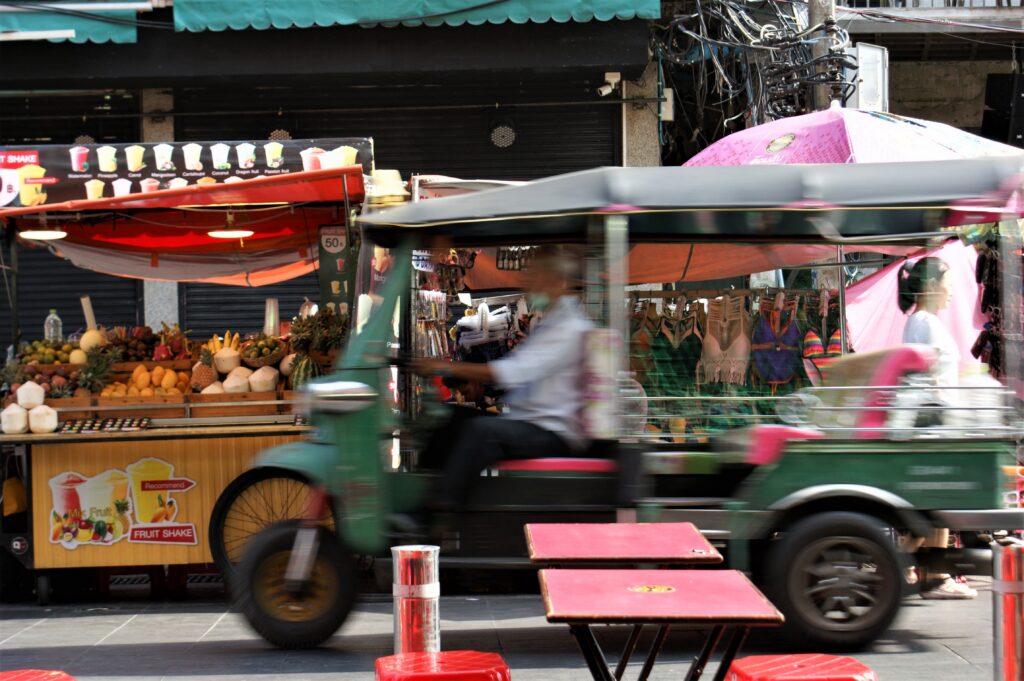
Why a War in the Middle East Affects Tourism in Asia
At first glance, the connection seems indirect.
Why would a conflict involving Iran affect hotel bookings in Bangkok, beach resorts in Phuket, or tour operators in Hanoi?
The answer lies in energy.
Asia remains one of the world’s largest importers of oil and liquefied natural gas. A substantial portion of those supplies traditionally flows through the Strait of Hormuz, one of the most important energy corridors on Earth. Any disruption to shipping routes or energy exports immediately affects fuel prices worldwide.
When oil prices rise:
- Airlines pay more for jet fuel
- Hotels face higher electricity bills
- Transportation costs increase
- Food prices climb
- Household budgets become strained
Travel is often among the first discretionary expenses consumers reduce during periods of economic uncertainty. This makes tourism especially vulnerable to energy shocks.
The Aviation Industry Is Taking the First Hit
Airlines are among the largest consumers of fuel in the global economy.
Jet fuel typically accounts for a significant share of operating expenses. When oil prices surge, airlines face difficult choices:
- Increase ticket prices
- Add fuel surcharges
- Reduce flight frequencies
- Delay route expansions
- Cancel less profitable services
Many carriers operating between Europe and Asia have also faced airspace disruptions and rerouting challenges due to regional instability. Longer routes mean greater fuel consumption, which further increases costs.
The result is a double burden:
Flights become more expensive to operate and more expensive for travelers to purchase.
Why Southeast Asia Faces Greater Risks Than Many Regions
Not all parts of the world are equally exposed.
Southeast Asia is particularly vulnerable because tourism contributes significantly to employment, foreign exchange earnings, and economic growth.
In countries such as Thailand and Vietnam, tourism supports millions of jobs directly and indirectly. Hotels, restaurants, transportation providers, tour operators, street vendors, and local attractions all depend on a steady flow of visitors.
Unlike larger economies with highly diversified industries, tourism-dependent nations can experience noticeable economic slowdowns when visitor arrivals decline.
Even a modest reduction in international tourism can affect:
- Employment levels
- Small business revenue
- Government tax collections
- Local consumer spending
- Foreign currency reserves
The Hidden Impact on Small Businesses
Major hotel chains and multinational airlines often possess financial reserves that help them survive periods of turbulence.
Small tourism businesses typically do not.
Across Asia, countless tourism enterprises remain financially vulnerable after the pandemic years.
Examples include:
- Family-run guesthouses
- Local travel agencies
- Tour guides
- Tuk-tuk and taxi drivers
- Independent restaurants
- Souvenir vendors
When visitor numbers decline, these businesses often feel the effects immediately. For many operators, even a small drop in bookings can create cash-flow problems.
Rising Energy Costs Are Driving Broader Inflation
The tourism challenge extends beyond airline tickets.
Energy prices influence nearly every part of the economy.
Hotels face higher electricity costs.
Restaurants pay more for food deliveries.
Transportation companies spend more on fuel.
Construction materials become more expensive.
As businesses absorb these costs, many pass them on to consumers through higher prices. Japan’s central bank has already warned that energy-related inflation could affect service sectors ranging from restaurants to tourism facilities.
For travelers, this means that vacations become more expensive even after arriving at their destination.
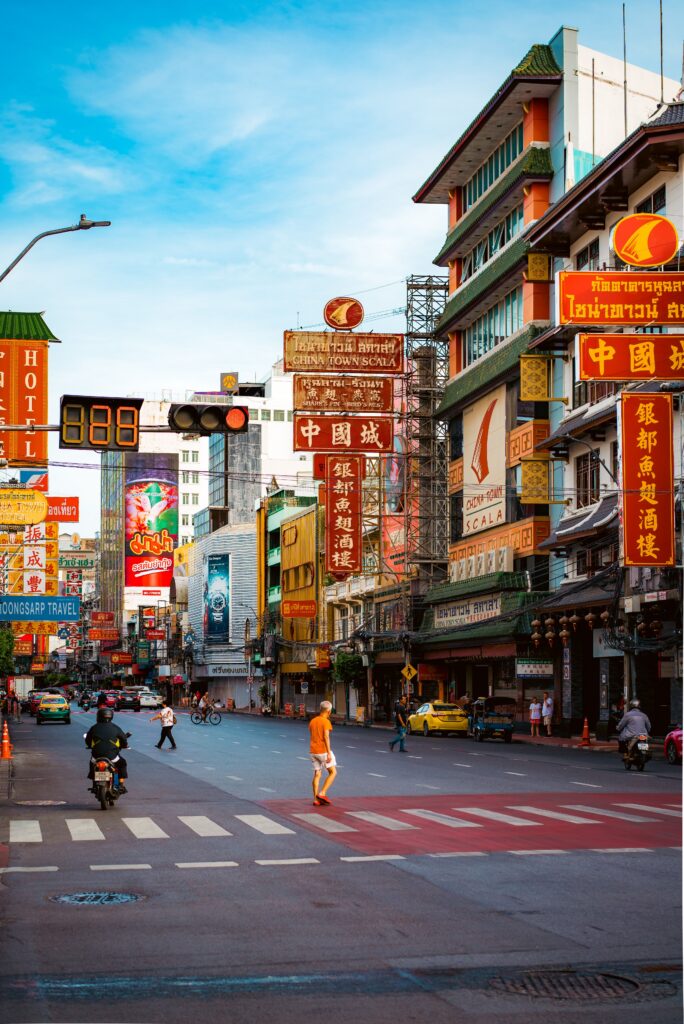
Travel Behavior Is Already Changing
Periods of economic uncertainty often reshape tourism patterns.
Industry observers are beginning to see several emerging trends:
Shorter Vacations
Travelers may reduce trip length to control costs.
Regional Travel Growth
Consumers increasingly choose destinations closer to home rather than expensive long-haul journeys.
Budget-Conscious Spending
Demand shifts toward lower-cost hotels, hostels, and alternative accommodations.
Last-Minute Booking Behavior
Travelers delay reservations while monitoring economic conditions and airfare trends.
Domestic Tourism Growth
Many households substitute international travel with domestic vacations.
These behavioral changes may continue even after fuel prices stabilize.
The Global Flight Network Is More Fragile Than Many Realize
The current situation highlights a reality often overlooked by travelers:
Global aviation depends heavily on geopolitical stability.
Major hubs in the Middle East have historically connected Europe, Asia, and Africa through efficient flight corridors.
When conflict disrupts these routes, airlines must reroute aircraft, consume additional fuel, and absorb higher operational costs. Some carriers have altered schedules and routes due to security concerns and airspace restrictions.
This illustrates how conflicts in one region can quickly affect travelers worldwide.
The Economic Multiplier Effect of Tourism
Tourism generates benefits far beyond hotel bookings.
A single visitor may:
- Fly with an airline
- Stay in a hotel
- Eat at local restaurants
- Use transportation services
- Visit attractions
- Purchase local products
Each dollar spent often circulates throughout the broader economy.
Economists refer to this as the tourism multiplier effect.
When tourism declines, the economic impact spreads far beyond the travel industry itself.
This is one reason governments closely monitor tourism performance during periods of geopolitical instability.
Energy Security Is Becoming a Tourism Issue
Historically, tourism policy focused on:
- Marketing campaigns
- Infrastructure improvements
- Visa reforms
- Destination branding
Today, energy security is increasingly becoming part of the conversation.
The Iran war has demonstrated how vulnerable tourism-dependent economies remain to disruptions in global fuel markets. Analysts describe the broader energy disruption as one of the most significant energy security challenges in recent history.
Countries that reduce dependence on imported fossil fuels may become more resilient to future shocks.
Could Renewable Energy Help Protect Tourism?
Many experts believe so.
Investments in:
- Solar power
- Wind energy
- Battery storage
- Electric transportation
- Energy-efficient infrastructure
could reduce exposure to future oil price spikes.
For tourism destinations, lower energy dependence could mean:
- More stable operating costs
- Reduced vulnerability to geopolitical events
- Greater long-term competitiveness
While renewable energy cannot eliminate all risks, it can improve economic resilience.
The Long-Term Outlook
The current crisis may eventually fade, but it has exposed several structural vulnerabilities:
- Heavy dependence on imported energy
- Reliance on long-haul international tourism
- Sensitivity to geopolitical disruptions
- Exposure to fuel-price volatility
Tourism-dependent economies are likely to continue diversifying visitor sources, investing in domestic tourism, and exploring more sustainable development strategies.
The lesson is clear:
Tourism is no longer just about attractions, beaches, hotels, and airlines.
It is also about energy security, supply chains, geopolitics, and economic resilience.
The future success of many Asian tourism destinations may depend as much on global energy stability as on the beauty of their landscapes.
Frequently Asked Questions (FAQ)
1. Why is the Iran war affecting tourism in Asia?
The conflict has disrupted global energy markets and increased oil prices. Higher fuel costs raise airline expenses, increase ticket prices, and reduce travel demand, particularly in tourism-dependent Asian economies.
2. Why are airline tickets becoming more expensive?
Airlines face rising jet-fuel costs and, in some cases, longer flight routes caused by airspace restrictions. Many carriers have responded by increasing fares and fuel surcharges.
3. Which countries are most vulnerable?
Tourism-dependent economies such as Thailand, Vietnam, Cambodia, Indonesia, Nepal, and the Philippines are particularly exposed because tourism contributes significantly to jobs, income, and economic growth.
4. How does higher oil prices affect travelers directly?
Travelers may face higher airfare, more expensive hotel stays, increased transportation costs, and higher prices for food and tourism services due to inflationary pressures.
5. Could this slow Asia’s tourism recovery?
Yes. Many countries have not fully recovered from the pandemic. Higher travel costs and weaker consumer confidence could slow visitor growth and delay full recovery.
6. Are travelers changing their behavior?
Many are choosing shorter vacations, regional destinations, budget accommodations, or delaying bookings until economic conditions become clearer.
7. What role does the Strait of Hormuz play?
The Strait of Hormuz is one of the world’s most important oil-shipping routes. Disruptions there can significantly affect global energy prices and transportation costs.
8. What can countries do to reduce future risks?
Diversifying energy supplies, investing in renewable energy, expanding domestic tourism, and reducing reliance on long-haul travel markets can help improve resilience against future geopolitical and energy shocks.

Sources Japan Today

