
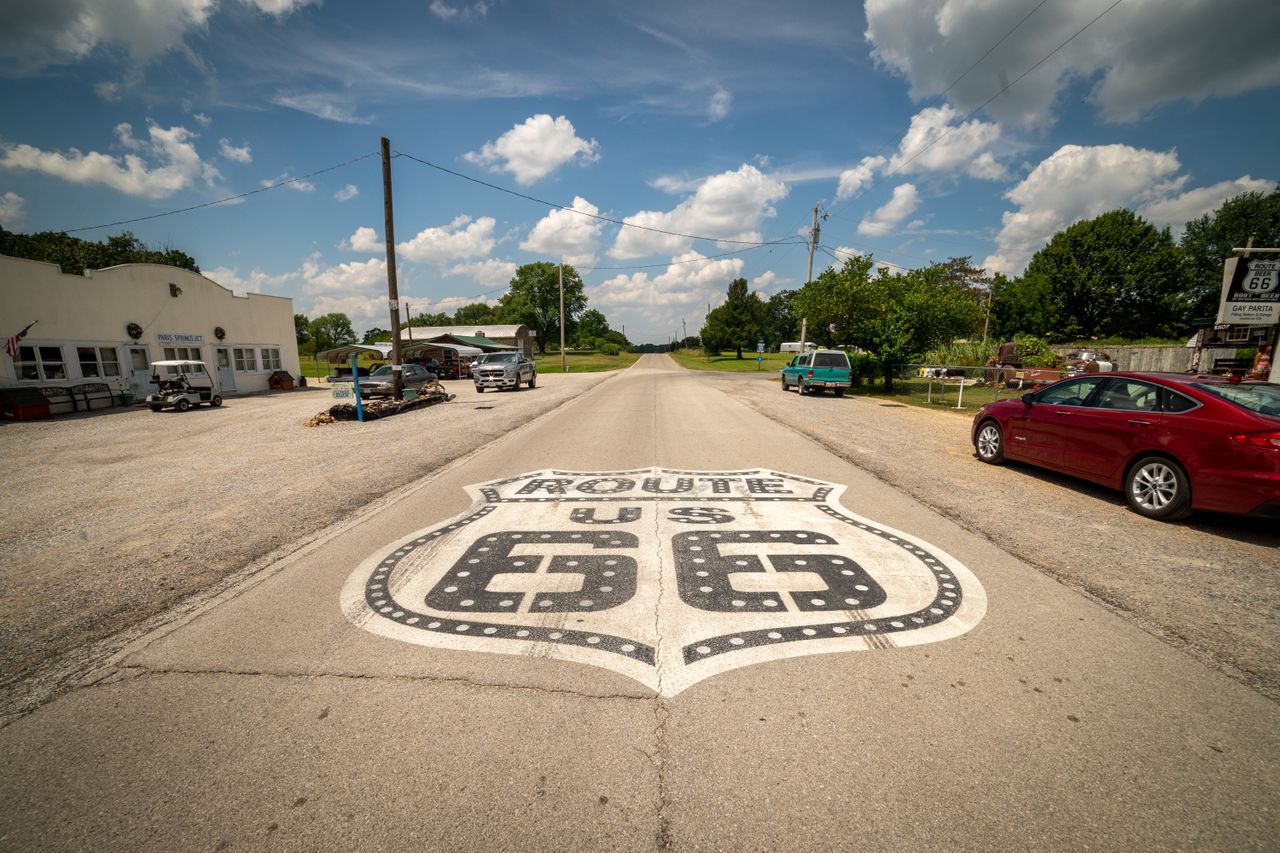
A century after its creation, Route 66 remains one of the world’s most recognisable road-trip destinations. International travellers are crossing oceans to experience its vintage motels, neon signs, classic diners and small-town America — but the highway’s future depends on more than nostalgia.
Imagine driving across the United States, passing historic diners, dusty desert towns, vintage petrol stations and enormous roadside signs. Along the way, you encounter a motel shaped like a collection of concrete teepees, a town where donkeys wander through the streets, and a neon sign that has become a landmark in the middle of the desert.
For many international visitors, this is the appeal of Route 66.
Known as the Mother Road, the legendary highway celebrated its 100th anniversary in November 2026. Although it was officially removed from the US highway system more than four decades ago, its cultural influence has never disappeared. Today, travellers from Australia, New Zealand, Europe, South America and Asia continue to make the journey between Chicago and California.
The anniversary has brought renewed attention to the road’s historic communities, independent businesses and distinctive roadside attractions. It has also highlighted an important reality: Route 66 is not simply a nostalgic tourist attraction. It is a living collection of towns, businesses and cultural landscapes that need visitors to survive.
Route 66: A century of American history
Route 66 was officially established on November 11, 1926, as part of the United States’ developing national highway network. Its original route connected Chicago, Illinois, with the Los Angeles area in California, eventually extending to Santa Monica.
The highway covered approximately 2,448 miles and passed through eight states:
- Illinois
- Missouri
- Kansas
- Oklahoma
- Texas
- New Mexico
- Arizona
- California
At the time, the road offered an important connection between the Midwest and the Pacific Coast. It linked communities that had previously been difficult to reach and created opportunities for businesses serving motorists.
Route 66 was not constructed entirely from scratch. It brought together existing roads and local routes into a nationally recognised transportation corridor. Over time, improvements made it easier for motorists to travel longer distances.
Its significance grew during the Great Depression of the 1930s, when thousands of families travelled west in search of employment and better living conditions. The highway became closely associated with the Dust Bowl migration, particularly the movement of families from Oklahoma and neighbouring agricultural regions towards California.
John Steinbeck helped establish its cultural reputation through his 1939 novel The Grapes of Wrath, which portrayed the struggles of migrant families travelling west. Steinbeck famously referred to Route 66 as the Mother Road.
After the Second World War, growing car ownership and rising household incomes transformed the highway into a popular holiday route. Families travelled through the country, staying in roadside motels, eating at diners and visiting attractions designed specifically for motorists.
Route 66 became a symbol of mobility, independence and the American road-trip dream.
Why international tourists love Route 66
One of the most interesting developments surrounding the centennial is the enthusiasm of international visitors.
According to a 2024 study conducted by tourism research firm SMARInsights and shared with NPR by the New Mexico Tourism Department, international travellers are more likely than domestic visitors to drive the entire length of Route 66.
The appeal is particularly strong among visitors from Australia and New Zealand, although European travellers have also been interested in the route for decades. Visitors from South America and Asia have increasingly joined the international audience.
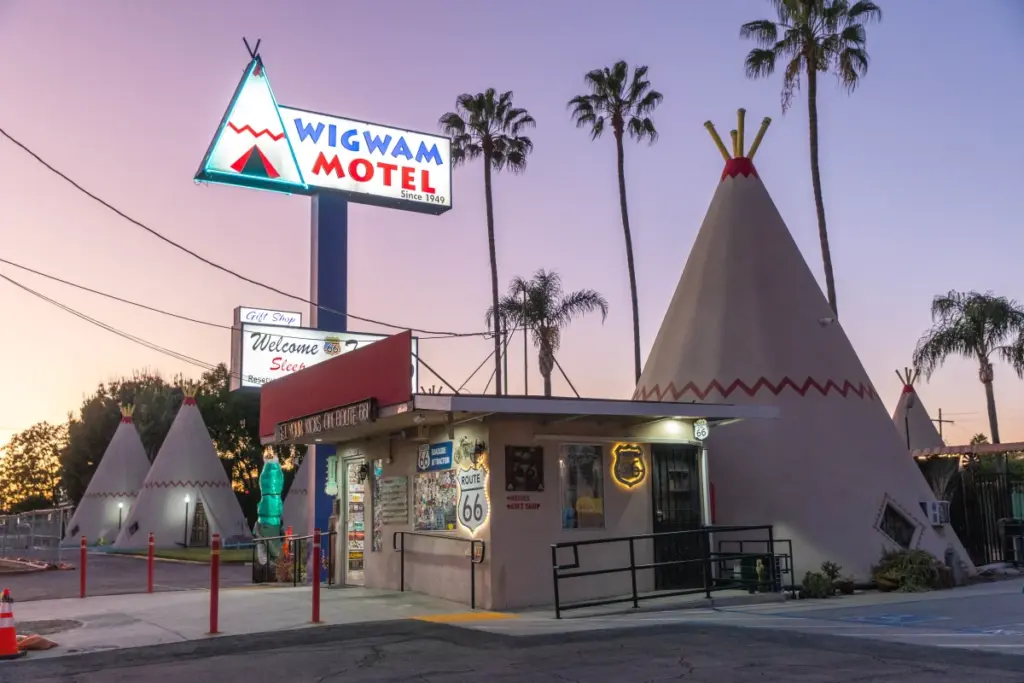
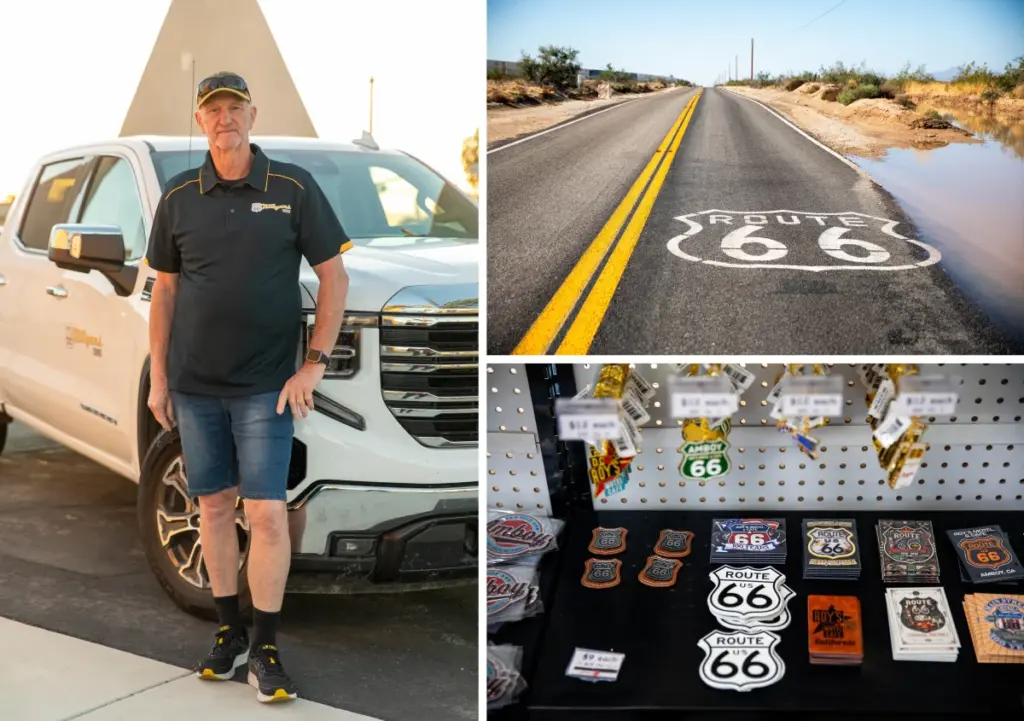
At the Wigwam Motel in California, manager Samir Patel told NPR that international visitors account for an estimated 60% to 70% of the property’s guests.
This international interest reflects something unusual about Route 66: it sells an experience of America that cannot easily be recreated elsewhere.
1. The influence of American popular culture
Many international visitors grew up watching American television programmes and films featuring diners, classic cars, cowboys and open highways.
For travellers from countries such as Australia, New Zealand, Germany and the United Kingdom, Route 66 offers an opportunity to experience places that have appeared in popular culture for generations.
The attraction is not necessarily luxury accommodation or sophisticated entertainment. It is the chance to visit a traditional American diner, photograph an old-fashioned petrol station or spend the night in a distinctive roadside motel.
The highway’s cultural identity has been reinforced by literature, television, music and cinema.
The 1946 song “(Get Your Kicks on) Route 66” helped turn the road into an international cultural reference. Its influence continues through generations of musicians and travellers.
2. Classic cars and automotive enthusiasm
Route 66 is also a destination for people who love cars.
Its history is closely connected to the development of American automobile culture, from early family road trips to the post-war popularity of large American vehicles.
Classic car enthusiasts can discover vintage automobiles, automotive museums, roadside garages and communities where traditional car culture remains part of everyday life.
Some visitors even organise their trips around classic-car events or motorcycle journeys.
The appeal is especially strong among international travellers who have spent years admiring American vehicles but rarely have the opportunity to experience the country’s historic motoring culture in person.
3. The attraction of an authentic road trip
Modern international travel often involves carefully organised itineraries, major cities and popular tourist attractions.
Route 66 offers something different.
A journey along the historic highway can involve unexpected stops, conversations with local business owners, visits to small museums and discoveries in towns that rarely appear in mainstream travel guides.
For some visitors, the imperfections are part of the experience. Sections of the historic road are rough, some stretches are unpaved, and travellers occasionally need to navigate confusing route alignments.
That unpredictability gives the journey a sense of adventure that a conventional guided city tour cannot easily reproduce.
The road’s most memorable attractions
Route 66 is not one continuous modern highway. It is a network of surviving historic sections, local roads and alternative alignments. Nevertheless, many iconic places remain accessible to visitors.
Chicago, Illinois: Where the journey begins
Chicago is the traditional eastern starting point of Route 66.
The city offers an excellent introduction to the highway’s history, with architecture, museums, restaurants and landmarks connected to America’s transportation heritage.
Visitors often begin their journey near the historic Route 66 starting-point sign in downtown Chicago before heading west.
The city also provides access to museums and attractions that help explain how automobiles transformed American society.
Springfield, Missouri: A historic Route 66 community
Springfield has a special place in Route 66 history and is closely associated with the development and promotion of the highway.
The city offers historic attractions, museums and preserved sections of the road. It is also a useful stopping point for travellers exploring Missouri’s Ozarks region.
Its connection to the highway makes it an important destination for visitors interested in the story behind the Mother Road.
Oklahoma: The heart of the highway
Oklahoma contains one of the most substantial stretches of Route 66 heritage.
Travellers can explore historic bridges, roadside businesses, museums and small communities that continue to celebrate the highway.
The state has invested in preserving its Route 66 identity through heritage attractions, tourism initiatives and commemorative events.
One particularly distinctive attraction is the enormous Route 66 midpoint marker in Adrian, Texas, which is another popular stop for travellers crossing the region.
Amarillo, Texas: Cadillac Ranch and roadside art
Amarillo is famous for Cadillac Ranch, an unusual outdoor art installation featuring automobiles buried nose-first in the ground.
The attraction has become one of the most photographed roadside destinations in the United States.
It demonstrates how Route 66 has developed beyond its original transportation purpose. Its roadside attractions now form an important part of American tourism and popular culture.
Tucumcari, New Mexico: Neon signs and vintage motels
Tucumcari is known for its historic motels, neon signage and distinctive roadside architecture.
Its streets preserve much of the visual character associated with Route 66’s golden age.
The town’s tourism businesses have embraced the centennial, welcoming visitors who want to experience the highway’s classic atmosphere.
For photographers, history enthusiasts and road-trip travellers, Tucumcari offers a particularly memorable glimpse of mid-century American roadside culture.
Oatman, Arizona: A Wild West atmosphere
Oatman is a former gold-mining town that has developed into a popular Route 66 tourist destination.
Its historic buildings, old-fashioned storefronts and roaming donkeys create an atmosphere that international visitors often associate with classic Western films.
The Oatman Hotel, built in 1902, is among its best-known landmarks.
The town demonstrates how historic communities can turn their distinctive character into a tourism asset.
Amboy, California: The famous Roy’s Motel and Cafe
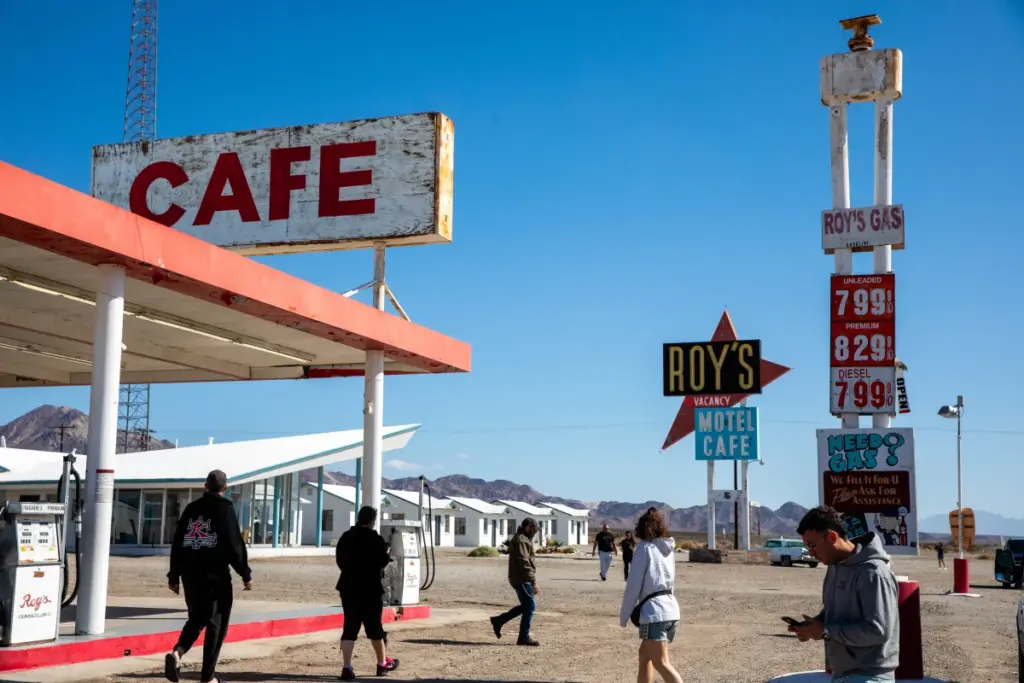
Amboy is a small desert settlement that has become famous among Route 66 travellers for Roy’s Motel and Cafe.
Its towering neon sign is one of the highway’s most recognisable visual landmarks.
The destination featured prominently in NPR’s coverage of international tourists visiting the highway during its centennial year.
For visitors travelling through the Mojave Desert, stopping to photograph the sign and browse the gift shop has become part of the Route 66 experience.
San Bernardino, California: The Wigwam Motel
The Wigwam Motel is one of the most distinctive accommodation options along the route.
Its concrete teepee-shaped rooms offer an unusual alternative to conventional hotels and provide visitors with a direct connection to the roadside architecture of an earlier era.
The motel’s international popularity demonstrates how historic accommodation can become a destination in its own right.
Santa Monica, California: Reaching the Pacific Ocean
For travellers following the traditional route westward, Santa Monica represents the symbolic finish line.
The city’s famous pier and the Route 66 End of the Trail sign provide a memorable conclusion to the journey.
After travelling across eight states, visitors can celebrate reaching the Pacific Coast and reflect on the places, people and experiences encountered along the way.
Route 66 is no longer a continuous highway
One important detail that prospective travellers should understand is that Route 66 does not operate today as a single, uninterrupted federal highway.
The development of the US Interstate Highway System gradually diverted traffic away from the older road.
The Interstate Highway Act of 1956 accelerated the construction of faster, wider roads designed to accommodate growing traffic volumes. Major interstate routes replaced many sections of Route 66, bypassing towns that had previously depended on passing motorists.
The American Association of State Highway and Transportation Officials accepted the recommendation to eliminate the Route 66 designation in 1979. The highway was officially decommissioned in 1985.
However, that did not mean the road disappeared.
Historic sections remained in use, while preservation groups, local governments and tourism organisations worked to protect the highway’s landmarks.
Today, much of the historic route can still be followed, but visitors may encounter roads with different names, disconnected sections, gravel surfaces and areas where the original alignment is difficult to identify.
Planning is therefore essential.
Travellers should use dedicated Route 66 maps and current navigation information rather than assuming that a standard GPS route will follow the historic road.
The economic importance of Route 66 tourism
Route 66’s centennial is not only a celebration of history. It is also an economic opportunity for hundreds of small businesses.
Many communities along the route rely on visitors to support restaurants, motels, souvenir shops, museums, petrol stations and local attractions.
Unlike major metropolitan tourism destinations, smaller Route 66 communities may have relatively limited economic alternatives.
A single group of international visitors can make a meaningful difference to an independent motel, family-run restaurant or local gift shop.
The economic impact also extends beyond accommodation and food.
Travellers spend money on:
- Car rentals, fuel and vehicle maintenance.
- Guided tours and organised road trips.
- Souvenirs, clothing and local products.
- Museums, heritage attractions and admission fees.
- Restaurants, cafes and roadside diners.
- Local accommodation and independent motels.
- Photography tours and special events.
The centennial has encouraged businesses to renovate buildings, restore historic signs, introduce commemorative products and organise community celebrations.
A report by the Los Angeles Times in November 2026 described a significant increase in visitor spending for some Route 66 businesses. One Tucumcari shop owner estimated that traveller numbers and spending had roughly doubled compared with the previous year.
Such individual business experiences should not be treated as evidence that every community has enjoyed the same growth. However, they illustrate the potential value of anniversary-related tourism.
The bigger challenge is ensuring that the economic benefits continue after the centennial celebrations end.
The small-town problem: Not every community benefits equally
Despite the enthusiasm surrounding Route 66, the highway’s tourism economy is uneven.
Some towns have developed strong tourism identities and attract substantial visitor numbers. Others struggle to persuade motorists to stop.
Modern interstate highways allow drivers to travel long distances without entering smaller communities. Travellers who are focused on reaching major destinations may bypass historic towns altogether.
This creates a difficult situation.
A community might have an interesting history, an attractive main street and a collection of historic buildings, yet receive little economic benefit if visitors do not know it exists.
NPR’s reporting highlighted this contrast. While places such as Oatman appeared busy with tourists, other communities along the route faced the reality of reduced traffic and limited commercial activity.
The problem is not simply attracting more tourists. It is encouraging them to slow down, explore and spend money in more places.
Tourism organisations can help by promoting lesser-known stops, developing regional itineraries and encouraging visitors to stay overnight rather than treating the highway as a journey between major attractions.
Preserving the road’s complicated history
Route 66 is often presented as a symbol of freedom, adventure and the American Dream.
However, its history is more complicated than the nostalgic images of classic cars and neon signs suggest.
The experiences of Black travellers
During segregation, African American motorists faced discrimination and sometimes serious safety risks when travelling through parts of the United States.
The Negro Motorist Green Book, published by Victor Hugo Green from 1936 to 1964, helped Black travellers identify businesses, accommodation and services where they could receive safer and more welcoming treatment.
The guide was particularly important for motorists travelling through communities where discrimination restricted access to hotels, restaurants and other facilities.
Some Green Book-listed businesses were located in communities along Route 66.
Preserving these locations and telling their stories helps visitors understand that the freedom associated with road travel was not equally available to every American.
Indigenous communities and cultural heritage
Route 66 also crosses landscapes with deep Indigenous histories.
Parts of the highway pass through or near Tribal lands, communities and cultural sites that existed long before the road was established.
For Indigenous communities, the highway’s history includes economic opportunities, changes to local infrastructure and the effects of development on traditional lands and ways of life.
Tourism can provide opportunities for Indigenous businesses and cultural organisations, but responsible travel requires visitors to respect Tribal sovereignty, local customs and community perspectives.
Travellers should seek out Indigenous-led tourism experiences rather than relying exclusively on simplified roadside interpretations of the region’s history.
A more complete understanding of Route 66 recognises both its role in American mobility and the diverse experiences of the people who lived along its path.
How the United States is protecting Route 66
Preserving a historic highway that stretches across eight states is a considerable challenge.
Historic motels, bridges, petrol stations, diners and neon signs require maintenance. Some buildings have been abandoned, while others face redevelopment pressures or the financial difficulties associated with operating older properties.
The National Park Service established the Route 66 Corridor Preservation Program to help protect significant historic resources.
The programme works with public agencies, nonprofit organisations, businesses and local communities. It provides preservation assistance, technical support and cost-sharing grants for eligible projects.
Since 2001, more than 170 projects have received grant assistance through the programme.
These efforts are important because Route 66’s heritage is not contained in a single museum. Its history exists across thousands of miles of roads, buildings, landscapes and community stories.
Preserving one famous attraction is valuable, but maintaining the broader network of historic places is essential to protecting the highway’s character.
What the Route 66 centennial means for international tourism
The 100th anniversary provides an opportunity to introduce Route 66 to a new generation of international visitors.
For tourism organisations, the challenge is to transform anniversary interest into long-term demand.
Australia and New Zealand remain important markets
The strong interest from Australian and New Zealand visitors reflects a longstanding fascination with American road-trip culture.
These travellers often have the time and motivation to undertake extended journeys, making them valuable customers for tour operators, accommodation providers and attractions along the route.
Organised tours can also reduce some of the practical difficulties associated with driving across the United States.
Europe offers opportunities for specialist travel
European visitors have long been attracted to Route 66, particularly motorcycle enthusiasts and travellers interested in classic American vehicles.
Motorcycle tours, vintage-car experiences and small-group heritage trips can help attract visitors looking for something beyond conventional sightseeing.
Asian visitors may discover a different side of America
For travellers from Asia, Route 66 offers a different perspective on the United States from the major cities and theme parks that dominate many international itineraries.
The route combines natural landscapes, small-town culture, historic architecture and popular entertainment.
Tourism operators could develop multilingual information, easier booking systems and travel packages that make the journey more accessible to visitors unfamiliar with American road networks.
How to plan a Route 66 road trip
A complete Route 66 journey requires more preparation than a typical city break.
The original highway covers approximately 2,448 miles, and the time needed depends on the route taken, the number of stops and how much time visitors want to spend exploring.
A rushed journey may take around two weeks, but three weeks or more is a more comfortable option for travellers who want to experience the smaller communities and historic attractions.
Choose between independent travel and an organised tour
Independent travel gives visitors greater flexibility.
Travellers can choose their own schedule, spend longer in interesting towns and make spontaneous stops.
However, navigating the historic route can be challenging because it is not continuously signed or maintained as one highway.
Organised tours offer a simpler alternative. Tour operators can arrange accommodation, transport, route planning and sightseeing.
Some groups use rental cars or motorcycles, while others travel in tour vehicles with experienced guides.
Budget for more than fuel and accommodation
The overall cost depends on travel season, vehicle choice, accommodation standards and the number of attractions visited.
Visitors should consider:
- International flights to the United States.
- Car or motorcycle rental.
- Fuel and vehicle insurance.
- Accommodation across multiple states.
- Meals and drinks.
- Attractions, museums and guided experiences.
- Travel insurance and emergency expenses.
- Possible one-way vehicle rental charges.
Travellers should also check rental-company rules concerning interstate journeys, age restrictions and vehicle return locations.
Understand driving conditions
Route 66 crosses a wide range of landscapes and climates.
The Midwest can experience severe storms and winter weather, while desert sections in Arizona, New Mexico and California can become extremely hot.
Some historic road sections are narrow, uneven or unpaved.
Visitors should check road conditions, weather forecasts and fuel availability before entering remote areas.
International drivers must also familiarise themselves with US traffic laws and vehicle requirements. Visitors from countries where motorists drive on the left should take particular care when adapting to driving on the right.
Travel with respect for local communities
Route 66 is not an open-air theme park. It is also home to residents who work, raise families and maintain local businesses.
Visitors can contribute positively by supporting independent establishments, respecting private property, following local guidance and learning about the area’s history.
Taking time to explore less famous communities can also help distribute tourism spending more widely.
The future of Route 66: Beyond nostalgia
Route 66 has survived a remarkable transformation.
It began as a practical transportation corridor, became a major symbol of American road-trip culture, lost its official highway designation and eventually developed a second life as a heritage tourism destination.
Its international popularity shows that the appeal of the highway extends beyond American borders.
For foreign visitors, Route 66 offers a chance to experience a version of America that has been preserved in films, music, television and family memories. For local communities, it represents an opportunity to attract customers, support small businesses and protect historic places.
However, the future of the Mother Road cannot depend on nostalgia alone.
Historic buildings need investment. Small businesses need reliable visitor spending. Communities need to share their stories, including the difficult chapters that are sometimes overlooked in traditional tourism marketing.
The most successful future for Route 66 will be one that balances preservation with economic opportunity and celebrates the people who give the road its identity.
Its centennial is an important milestone, but the real achievement will be ensuring that the highway remains meaningful for another generation of travellers and residents.
After 100 years, Route 66 continues to offer something that modern highways often cannot: a reason to slow down, take a detour and discover what lies between the starting point and the destination.
Frequently Asked Questions About Route 66
1. Why is Route 66 so famous?
Route 66 is famous because it became one of America’s most important early highways and a powerful symbol of freedom, mobility and road-trip culture. Its history is connected to the Great Depression, post-war tourism, classic automobiles, roadside diners and popular culture. Books, films and songs helped turn it into an internationally recognised destination.
2. How long is Route 66, and which states does it cross?
The historic route is approximately 2,448 miles long. It runs between Chicago, Illinois, and Santa Monica, California, passing through eight states: Illinois, Missouri, Kansas, Oklahoma, Texas, New Mexico, Arizona and California.
3. Is Route 66 still open to drive?
Yes, visitors can still drive substantial portions of historic Route 66. However, it was officially decommissioned as a federal highway in 1985 and no longer exists as one continuous, officially maintained route. Some sections have been replaced by interstate highways, while others survive as local roads, historic alignments or unpaved stretches. Travellers should use dedicated Route 66 maps and check road conditions.
4. How long does it take to drive the entire Route 66?
A full road trip generally takes around two to three weeks, depending on the number of stops and the amount of time spent exploring. A journey of approximately three weeks allows visitors to experience historic towns, museums, diners, motels and roadside attractions without rushing. Travellers who want to explore national parks and surrounding destinations may need additional time.
5. Why do international tourists travel Route 66?
International tourists are attracted by Route 66’s association with American popular culture, classic cars, historic diners, neon signs and small-town life. Visitors from Australia, New Zealand and Europe have been particularly interested in the route. For many, it is an opportunity to experience the landscapes and roadside culture they have encountered in American films, music and television.
Sources NPR