
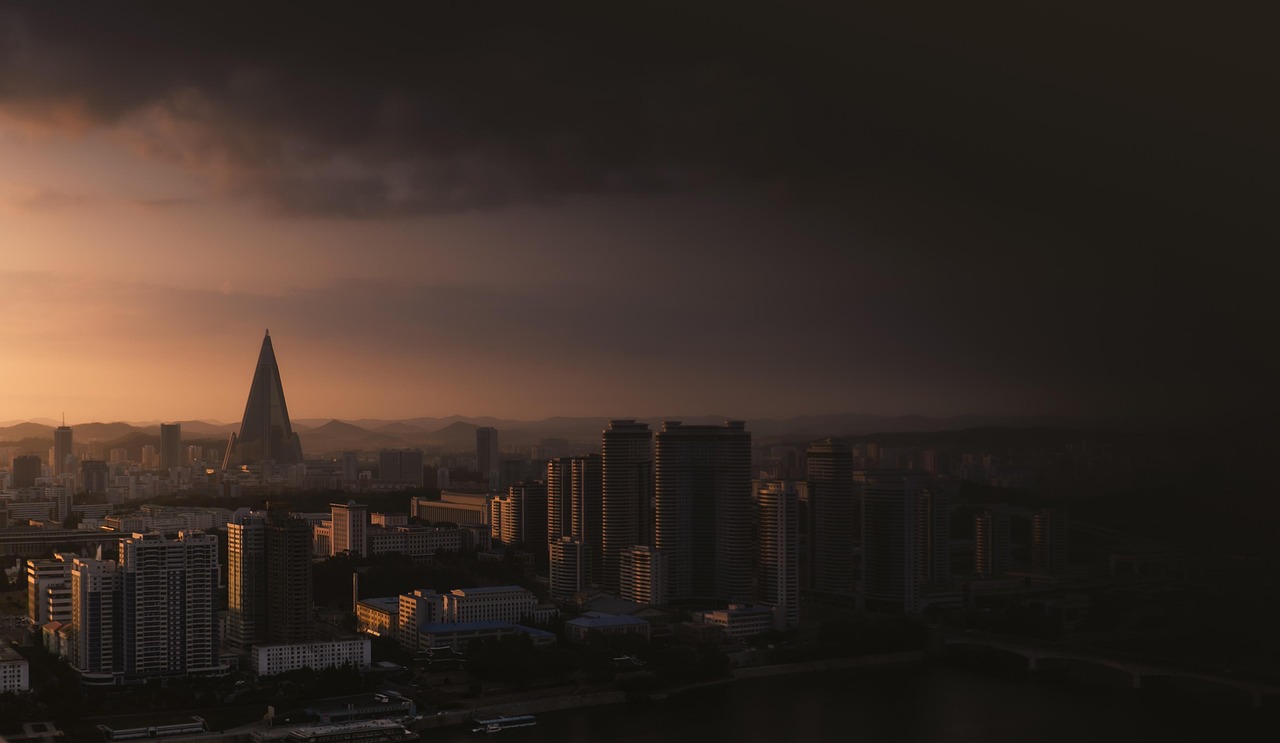
North Korea has beaches, new resorts and growing travel links with Russia. What it doesn’t have is a large pool of tourists.
Moscow and Pyongyang are increasingly presenting tourism as a promising area of cooperation, with North Korea hoping to attract Russian holidaymakers to destinations such as Pyongyang and the Wonsan-Kalma coastal resort.
Yet the reality is considerably less dramatic than the promotional campaign suggests. Recent reporting indicates that Russian tourism to North Korea remains a niche market, despite expanding transport links and unusually close political relations between the two countries.
The result is one of the stranger experiments in modern tourism: a government-backed effort to turn one of the world’s most isolated countries into a holiday destination.
Why North Korea Wants Russian Tourists
Tourism offers North Korea something it desperately needs: foreign currency.
The country faces extensive international sanctions and remains largely cut off from normal global commerce. Foreign visitors can therefore provide a valuable source of hard currency, particularly when they travel through state-controlled tour operators, hotels and attractions.
There is also a geopolitical reason.
Relations between Moscow and Pyongyang have deepened substantially in recent years. Tourism provides a relatively benign public face for that relationship, allowing the two countries to promote exchanges while developing transportation and commercial links.
For Moscow, meanwhile, North Korea provides another destination for Russian travelers at a time when access to some traditional European markets has become more difficult.
But geopolitical friendship doesn’t necessarily translate into consumer demand.
The Wonsan-Kalma Resort Is the Big Bet
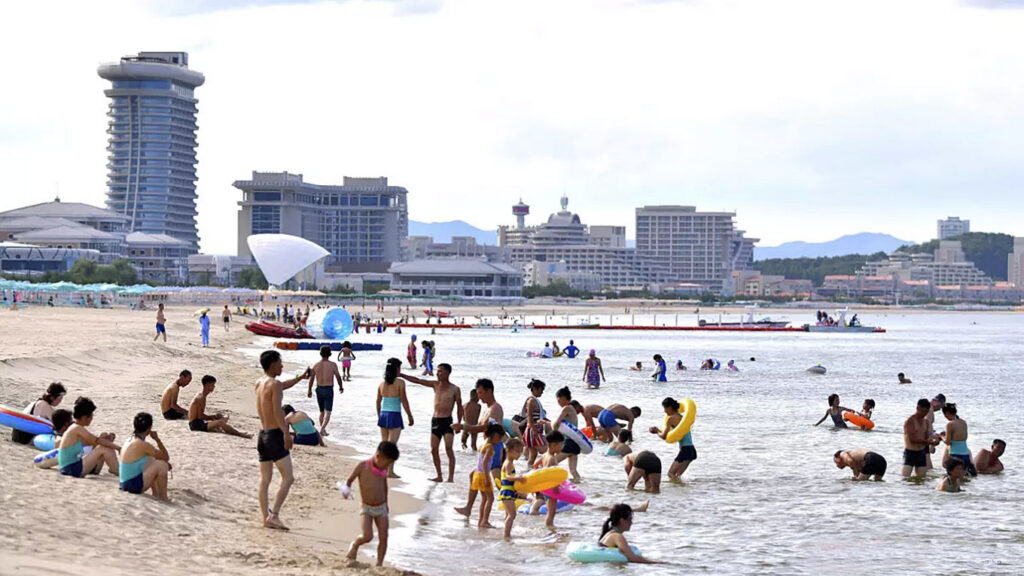
North Korea’s most ambitious tourism project is the Wonsan-Kalma coastal tourist zone on the country’s east coast.
The enormous complex includes hotels, restaurants, leisure facilities, beaches and other attractions. North Korean authorities have described it as a centerpiece of their tourism strategy, with reported capacity of around 20,000 visitors.
The resort was opened in 2025 and Russian travelers became an important target market.
On paper, the concept is straightforward.
North Korea has a coastline.
It has beaches.
It has a major new resort.
Russia has millions of travelers looking for overseas holidays.
Put the two together and, theoretically, you have a tourism opportunity.
The problem is that travelers have many alternatives.
North Korea Is Competing With Much Easier Destinations
A Russian tourist looking for a warm holiday can choose among destinations such as Turkey, Egypt, the United Arab Emirates or Southeast Asia.
Those destinations offer:
- extensive flight networks;
- large hotel inventories;
- independent sightseeing;
- international restaurants;
- nightlife;
- shopping;
- beaches;
- and well-established tourism industries.
North Korea offers something fundamentally different.
Visitors generally travel through organized arrangements, follow approved itineraries and operate under significant restrictions.
That may be fascinating to adventurous travelers.
It isn’t necessarily attractive to someone who simply wants a relaxing vacation.
Curiosity Is North Korea’s Biggest Tourism Asset
North Korea has one advantage that few other destinations can replicate:
mystery.
For travelers who have already visited conventional tourist destinations, North Korea represents something genuinely unusual.
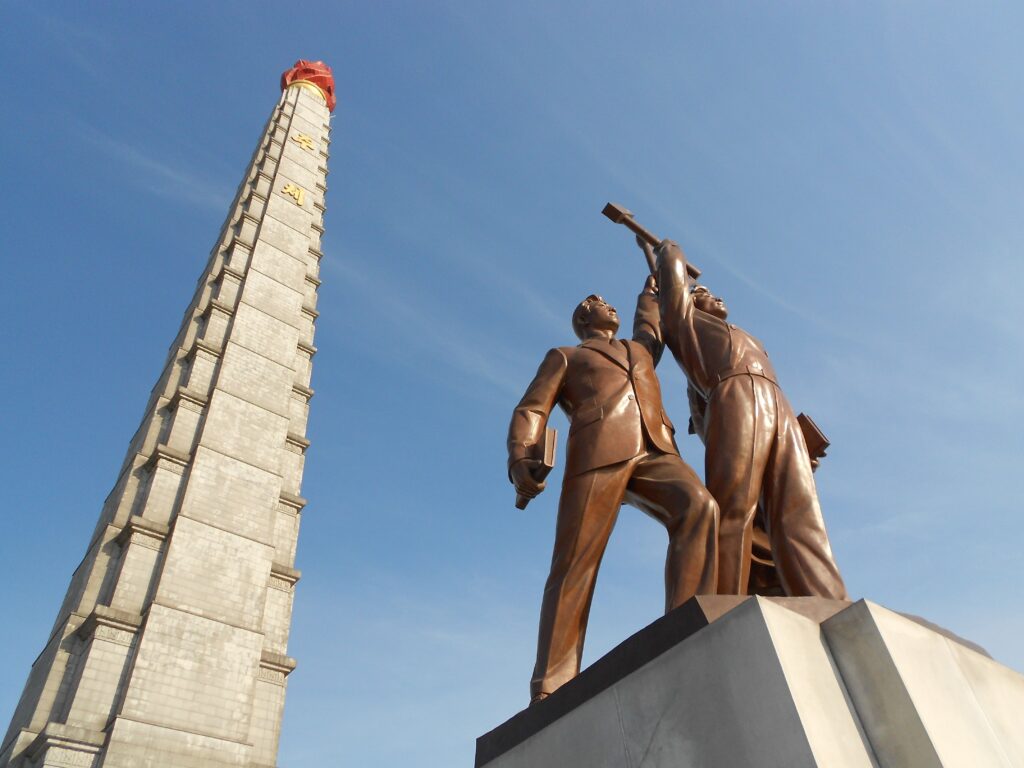
Pyongyang’s monumental architecture, carefully choreographed public spaces, mountains, beaches and highly controlled tourist experiences can provide a travel story unlike almost anything else.
That creates a niche market.
But niche demand is very different from mass tourism.
A country cannot fill a 20,000-person resort simply by being interesting.
The Problem With Controlled Tourism
North Korea’s tourism model is unusual because visitors don’t experience the country in the same way they would experience most destinations.
Independent wandering is generally restricted.
Tourists normally travel with approved guides.
Their itineraries are controlled.
Photography can be subject to restrictions.
Interactions with ordinary North Koreans are limited.
Foreign visitors therefore see a carefully managed version of the country.
That is one reason tourism researchers and journalists are cautious about treating a short North Korean tour as representative of everyday life there.
The visitor is not simply observing North Korea.
North Korea is deciding what the visitor gets to observe.
The Russian Market Was Supposed to Be the Easy One
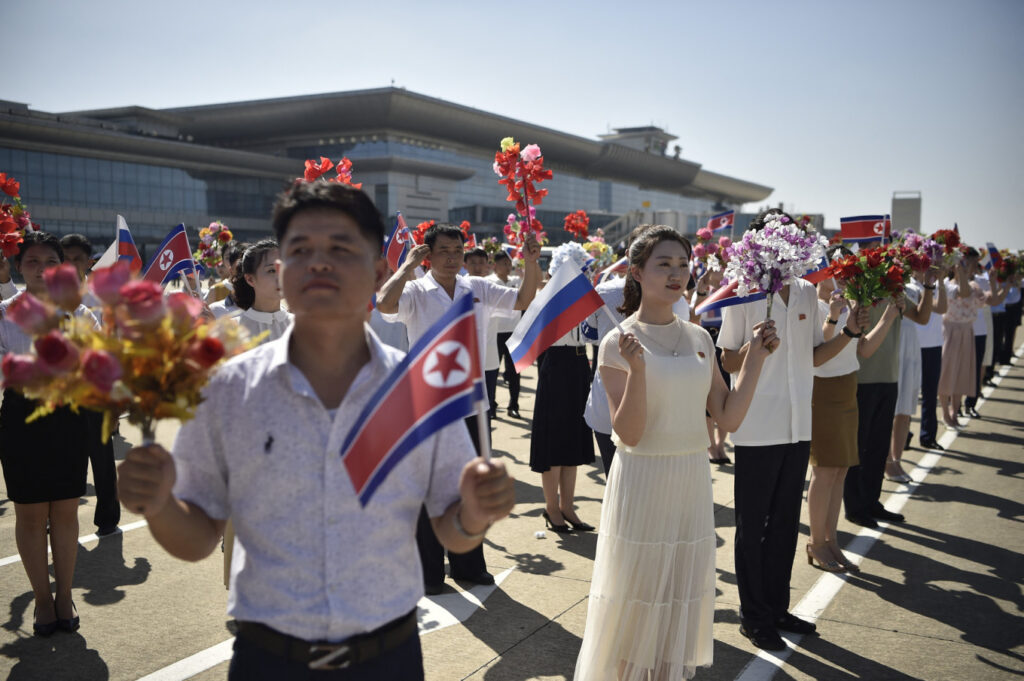
Russian citizens have had comparatively privileged access to North Korea since tourism began reopening after the pandemic.
The first groups of Russian tourists visited in 2024, including trips to Pyongyang and the Masikryong ski resort. Some planned tours were reportedly canceled because of insufficient demand.
That experience was an early warning.
Even when political barriers were low, consumer demand remained limited.
The lesson is important: making a destination accessible doesn’t automatically make it desirable.
Wonsan-Kalma Has an Awkward History
The resort’s development has also been anything but smooth.
The complex took years to build and experienced delays.
After opening in 2025, foreign access was temporarily restricted, raising questions about the project’s readiness and operational reliability.
That sort of uncertainty is difficult for international tourism companies.
A normal travel business needs to know whether hotels are operating, whether flights will run, whether tourists can enter and whether planned attractions will be available.
North Korea’s unusually unpredictable border and tourism policies complicate all of those questions.
Direct Flights Help, But They Are Not Enough
Russia and North Korea have worked to improve transportation links, including direct air connections.
That is an important step.
Air connectivity is one of the foundations of international tourism.
But a flight route only solves the transport problem.
It doesn’t solve the demand problem.
Airlines can fly between two cities every week, but if seats aren’t filled, the route becomes difficult to sustain commercially.
This is particularly important for a destination as unusual as North Korea.
Why Geography Matters
Vladivostok is particularly important because it is relatively close to North Korea.
For Russian travelers in the Far East, a North Korean holiday can be considerably more practical than it is for someone living in Moscow.
For travelers in western Russia, however, reaching North Korea involves a much longer journey.
That makes North Korea compete not only on destination appeal but also on travel convenience.
And convenience is where it struggles.
The Chinese Market May Be More Important
Russia is a useful starting point for North Korea’s tourism ambitions.
China, however, could ultimately be much more important.
Before the pandemic, Chinese travelers represented a major share of North Korea’s foreign tourism market.
China shares a land border with North Korea and has established rail and air connections with Pyongyang.
During 2026, transport links between Beijing and Pyongyang were restored, including passenger rail and air services, creating infrastructure that could support a larger tourism reopening.
But transportation reopening should not be confused with unrestricted tourism reopening.
North Korea continues to control who can enter and where foreigners can travel.
Tourism Is Also a Form of Soft Power
The tourism campaign has significance beyond hotel occupancy.
Every foreign visitor who travels to North Korea returns home with personal impressions.
That matters to Pyongyang.
Visitors may see:
- modern hotels;
- clean beaches;
- monumental architecture;
- restaurants;
- cultural performances;
- museums;
- and carefully selected examples of everyday life.
The experience is curated, but it still shapes how visitors understand the country.
Tourism can therefore serve as a form of soft power.
The Ethical Question
There is an uncomfortable issue at the heart of North Korean tourism:
Where does the tourist’s money ultimately go?
North Korea’s tourism industry is heavily controlled by the state.
That means the financial benefits of tourism are not distributed through society in the same manner as they might be in a conventional market economy.
Some travelers argue that tourism provides opportunities for cultural exchange.
Others believe tourist spending primarily benefits the government and can indirectly support a repressive political system.
There is no simple answer, but it is an issue that prospective visitors should consider.
North Korea’s Political Environment Cannot Be Ignored
For most people, choosing a holiday destination is mainly about price, weather and attractions.
North Korea is different.
The country’s political and legal environment is itself a major part of the travel decision.
Human rights organizations continue to report severe restrictions on freedom of movement, expression and political activity in North Korea.
That means travelers need to understand that ordinary assumptions about personal freedom do not apply.
A behavior that might be completely harmless elsewhere can carry much greater consequences in North Korea.
Why the Country’s Isolation Is Both a Product and a Problem
North Korea’s isolation gives it an extraordinary tourism brand.
People are curious precisely because access is difficult.
But that same isolation makes tourism harder to operate.
The country has:
- fewer international flights;
- fewer hotels;
- limited communications;
- restricted itineraries;
- fewer independent tourism businesses;
- and less predictable border policies.
The paradox is obvious:
North Korea’s tourism product depends partly on the isolation that makes mass tourism difficult.
Can North Korea Become a Mass-Tourism Destination?
That remains doubtful unless the country changes how it manages foreign visitors.
Mass tourism generally depends on freedom and convenience.
Travelers expect to be able to:
- choose hotels;
- change itineraries;
- explore independently;
- communicate easily;
- use international payment systems;
- and make spontaneous decisions.
North Korea’s current model is almost the opposite.
The government could expand controlled tourism, but that doesn’t necessarily mean it can create mass tourism on the scale of Thailand, Turkey or China.
A Niche Market Could Still Be Profitable
None of this means North Korean tourism is worthless.
A small number of visitors can still generate meaningful foreign-currency revenue.
Hotels can earn money.
Tour guides can work.
Airlines can operate routes.
Travel companies can sell specialized packages.
For adventurous travelers, the destination can command a premium precisely because it is unusual.
North Korea therefore doesn’t necessarily need millions of tourists to make tourism strategically useful.
It simply needs a reliable niche.
What Could Make Russian Tourism Grow?
Several factors could help.
Better flight connections
More direct routes could reduce travel time and inconvenience.
More predictable entry rules
Tourists and travel companies need confidence that trips will actually operate.
More resort options
Wonsan-Kalma cannot carry the entire tourism industry.
Greater itinerary flexibility
Even modest increases in visitor freedom could make the destination more attractive.
Better marketing
North Korea could market its mountains, beaches, skiing, history and architecture more aggressively.
But there is an obvious contradiction.
Greater flexibility and openness could undermine the government’s desire to control the visitor experience.
The Bigger Story Is Geopolitical
North Korea’s tourism campaign should therefore be viewed in the context of the country’s broader relationship with Russia.
The tourism sector is one visible component of a much deeper political and economic rapprochement.
For Moscow, North Korea represents a partner outside the Western diplomatic system.
For Pyongyang, Russia provides an important source of political and economic support.
Tourism gives both sides an opportunity to showcase closer ties without making every interaction about geopolitics.
What Happens Next?
The future of Russian tourism to North Korea will probably depend less on advertising than on whether ordinary travelers decide the experience is worth the money and restrictions.
The initial evidence remains mixed.
The country has invested heavily in tourism infrastructure, particularly Wonsan-Kalma.
Russia has helped provide a foreign visitor base.
Transport connections are improving.
Yet the destination remains extremely small compared with conventional international tourism markets.
That gap between government ambition and consumer demand is the central story.
Final Thoughts
North Korea wants Russian tourists.
Russia wants alternative tourism destinations.
And Wonsan-Kalma looks like a resort designed to prove that North Korea can participate in international leisure travel.
But tourism is ultimately a consumer business.
Governments can arrange flights.
They can build hotels.
They can promote destinations.
They can encourage travel agencies to sell packages.
They cannot force people to take a holiday.
For now, North Korea’s greatest tourism advantage remains its uniqueness.
Its greatest disadvantage is that the same political system that makes the country fascinating also makes it difficult to visit freely.
That leaves North Korea in an unusual position.
It may never become the next mass-market beach destination.
But it could become something else: one of the world’s most distinctive niche tourism experiences, built around curiosity, controlled access and the simple allure of visiting somewhere very few people have ever seen for themselves.
5 Frequently Asked Questions
1. Why is Russia promoting tourism to North Korea?
Tourism fits into the broader expansion of Russia-North Korea relations. For Pyongyang, foreign visitors provide foreign-currency revenue, while Moscow can present North Korea as an alternative overseas destination for Russian travelers.
2. Is North Korea becoming a major tourism destination?
Not yet. Despite new resorts and improved transport links, North Korea remains a highly niche destination. The latest reporting indicates that Russian demand has remained relatively limited.
3. What is the Wonsan-Kalma resort?
Wonsan-Kalma is a large coastal resort complex on North Korea’s east coast. It includes hotels, beaches, restaurants and leisure facilities and was developed as a centerpiece of North Korea’s tourism ambitions. Its reported capacity is around 20,000 visitors.
4. Can tourists freely explore North Korea?
Generally, no. Foreign tourism is highly controlled, with organized itineraries, approved guides and restrictions on movement and photography. Visitors should not expect the independence they would have in most conventional tourist destinations.
5. Why might North Korea struggle to attract mass tourism?
Its biggest obstacles include restricted movement, limited infrastructure, difficult travel logistics, political risk and unpredictable tourism policies. North Korea is competing for Russian travelers with destinations offering considerably greater convenience and personal freedom.
Sources The Moscow Times

