
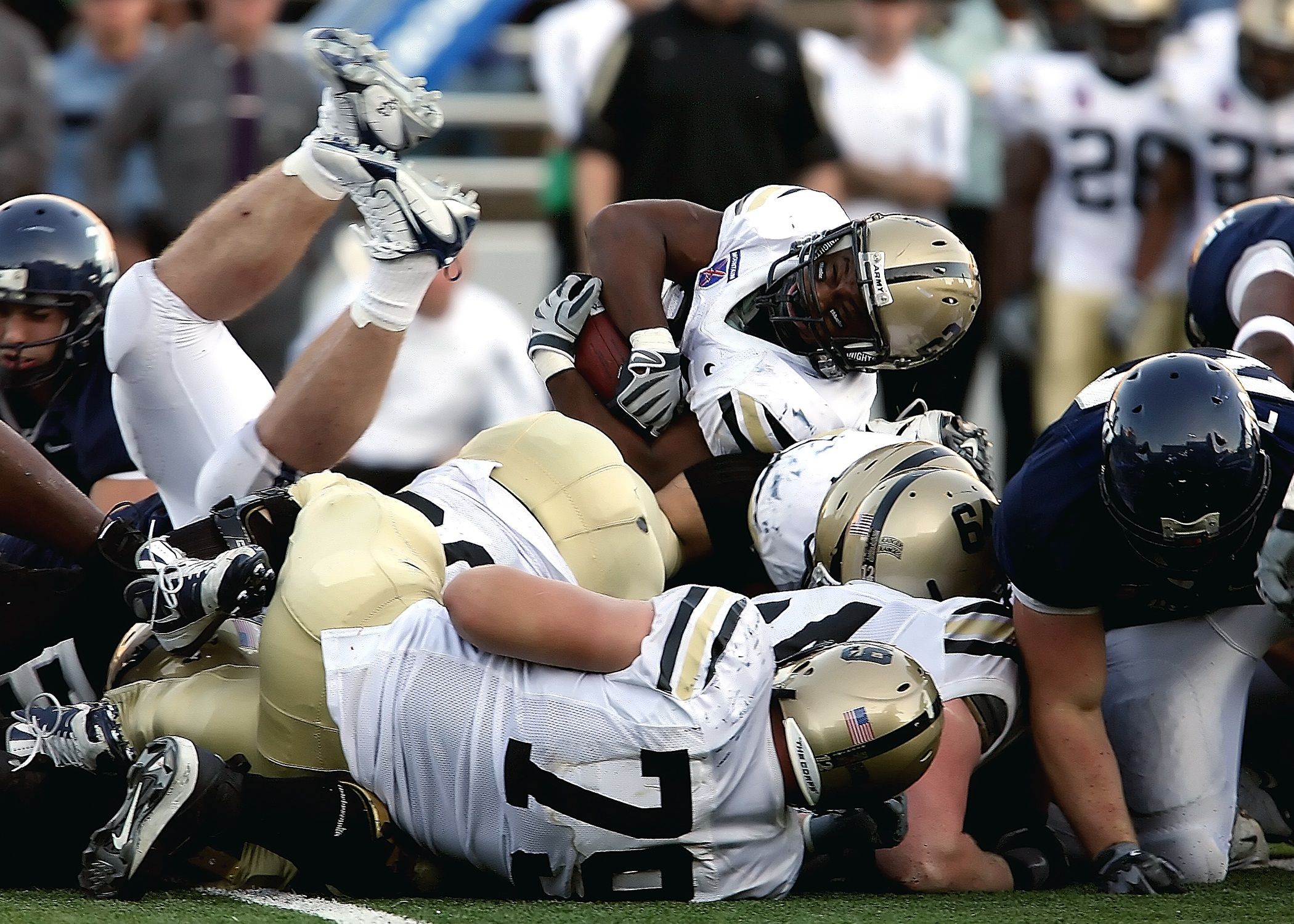
For many football fans, the trip no longer ends at the stadium entrance—or even requires a ticket. The parking lot, sports bar, hotel rooftop and downtown watch party are becoming destinations in their own right.
As football season returns across the United States, a familiar American ritual is evolving into something much bigger: tailgate tourism.
Fans are increasingly traveling to cities associated with major football games, spending money on hotels, restaurants, transportation, merchandise and entertainment—even when they never enter the stadium.
The phenomenon reflects a broader transformation in sports tourism. When tickets become prohibitively expensive, fans are finding another way to experience the atmosphere: travel to the city, gather with other supporters and watch the game together.
And for tourism businesses, that can be almost as valuable as filling the stadium.
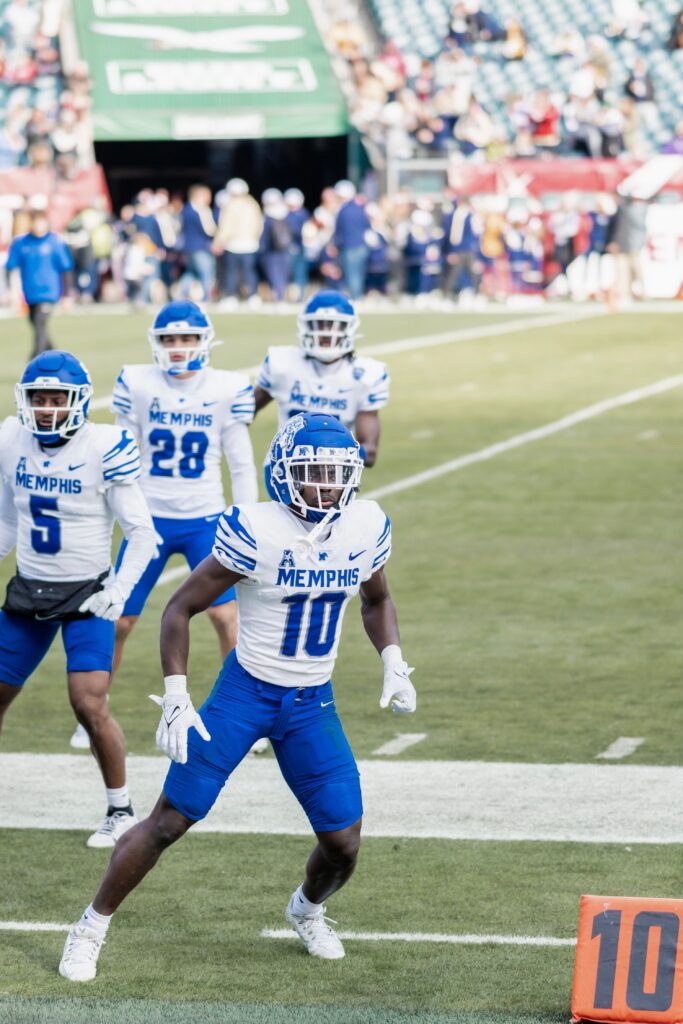
What Is Tailgate Tourism?
Traditional tailgating means arriving at a stadium parking lot before a game, setting up food and drinks, playing music and socializing with fellow supporters.
Tailgate tourism takes that concept and turns it into a travel experience.
A fan might fly several hundred miles to a football city, book a hotel for the weekend, attend a public tailgate or watch party, explore local restaurants and bars, buy team merchandise—and never actually have a ticket to the game.
The game remains the reason for the trip.
But the destination becomes part of the experience.
That distinction is increasingly important as sporting-event tickets become more expensive.
The Stadium Is No Longer the Only Destination
Sports tourism used to be relatively straightforward:
Buy ticket → travel → attend game → go home.
Today’s sports traveler may follow a much longer itinerary:
Book flight → reserve hotel → explore city → attend tailgate → watch game at bar or fan zone → celebrate afterward → stay another night.
That creates more opportunities for local businesses.
Hotels benefit from overnight stays.
Restaurants benefit from larger crowds.
Bars become unofficial stadiums.
Retailers sell team merchandise.
Ride-hailing services and taxis transport fans.
Tourism agencies promote the city itself.
Even businesses far from the stadium can benefit from a major football weekend.
Why Expensive Tickets Are Helping Tailgate Tourism Grow
The economics are straightforward.
If a major game ticket costs hundreds or even thousands of dollars, some fans simply can’t justify buying one.
But they still want the experience.
Watching a game surrounded by thousands of passionate supporters can provide much of the atmosphere without the stadium price tag.
The same phenomenon has already appeared around other major sporting events.
Recent research and industry reporting show fans traveling to host cities specifically to participate in watch parties rather than attend games. During major 2026 sporting events in New York, for example, hotels benefited from fans who wanted to be close to the action even without tickets.
This creates a fascinating economic substitution:
expensive tickets push some fans out of stadiums—but not necessarily out of the tourism economy.
The New Football Weekend
A modern football weekend can look very different depending on the fan.
One traveler might spend:
- $400 on airfare;
- $500 on a hotel;
- $150 on meals;
- $100 on transportation;
- $200 on merchandise and entertainment.
Another might spend considerably more.
Neither needs a stadium ticket.
Multiply that across thousands of visitors and the tourism impact becomes substantial.
This is why destination marketers increasingly see sporting events as much more than games.
They are demand generators.
Hotels Are Becoming Part of the Tailgate
Hotels have quickly recognized the opportunity.
Instead of simply offering a room to visiting fans, properties can create an entire sports environment.
That can include:
- rooftop viewing areas;
- giant outdoor screens;
- sports bars;
- team-themed menus;
- pre-game parties;
- shuttle services;
- merchandise;
- and late-night celebrations.
Industry reporting from New York provides a useful example. Hotels promoted rooftop bars and other viewing spaces during major sporting events, while some properties added multiple televisions to common areas to attract fans who wanted to experience the atmosphere without attending the game.
In other words:
The hotel room is becoming the base camp for sports tourism.
Cities Benefit Even When the Stadium Is Sold Out
A stadium has a physical limit.
A city doesn’t.
That makes tailgate tourism particularly attractive to destinations.
Suppose a football stadium holds 70,000 people.
The city may be able to host another 20,000—or even 50,000—people who come specifically for the surrounding atmosphere.
They might watch the game in:
- downtown bars;
- restaurants;
- public parks;
- fan festivals;
- hotel lounges;
- breweries;
- convention centers;
- or temporary viewing zones.
The economic activity therefore extends far beyond the stadium’s seating capacity.
The Rise of the Watch Party
Watch parties have evolved dramatically.
The old version was a television above a bar.
The new version can resemble a mini sporting festival.
Large screens, DJs, food trucks, sponsor activations, merchandise booths and team entertainment can turn a viewing event into a destination.
Major cities have increasingly embraced this model.
New York, for example, promoted official viewing events and fan zones around the 2026 FIFA World Cup, deliberately extending the tournament experience beyond the stadium.
Football can use the same formula.
Tailgate Tourism Is Also About Belonging
There is another reason the trend works.
Sports are social.
Fans don’t necessarily travel because they need to see a football game on a screen.
They travel because they want to be around people who care about the same thing.
That emotional component is powerful.
A fan watching a game alone in a living room gets the broadcast.
A fan watching it with 5,000 strangers gets:
- chants;
- cheers;
- boos;
- rituals;
- team colors;
- shared anxiety;
- spontaneous celebrations.
The screen is identical.
The experience isn’t.
College Football Has Been Doing This for Decades
Tailgate tourism isn’t entirely new.
College football has long generated travel around traditions, rivalries and campus culture.
Fans routinely travel to places such as:
- Tuscaloosa;
- Athens;
- Ann Arbor;
- Baton Rouge;
- State College;
- Knoxville;
- Madison;
- and many other college towns.
For some supporters, the tailgate is almost as important as the game.
Research on University of Florida football tourism found that visiting fans who stayed overnight spent substantially more on game-related activities than day visitors, including accommodation, food, shopping, transportation and souvenirs.
That decades-old pattern is now being expanded into the broader sports-tourism economy.
Why Overnight Visitors Matter More
For tourism officials, a fan who travels several hours and returns home the same day isn’t as valuable as one who stays overnight.
An overnight visitor spends money on:
hotel + meals + transportation + entertainment + shopping + attractions.
That is why destinations increasingly market football weekends as mini vacations.
Instead of:
“Come watch the game.”
The message becomes:
“Come experience the city.”
Football Can Sell the Destination
This is one of the most powerful aspects of sports tourism.
A visitor might initially travel because of a football team but discover something else.
They may:
- visit a museum;
- explore a historic district;
- eat local food;
- visit breweries;
- attend a concert;
- go shopping;
- or extend their stay into Sunday or Monday.
That creates a halo effect.
The team becomes a marketing engine for the entire destination.
Tailgate Tourism Is Expanding Beyond Football
Although football is particularly suited to tailgating, the underlying idea isn’t limited to the sport.
The same behavior has appeared around:
- basketball;
- soccer;
- baseball;
- tennis;
- golf;
- motorsports;
- international tournaments;
- and major championship events.
The recent World Cup demonstrated the potential on a massive scale, with host cities organizing fan zones and public viewing events designed to attract visitors beyond stadium ticket holders.
Sports tourism is increasingly becoming event tourism.
The Internationalization of Tailgating
American tailgating traditions are also becoming tourist attractions for international visitors.
Foreign visitors attending sporting events in the United States have shown interest in distinctly American experiences such as tailgate parties, barbecue and large-scale fan gatherings.
For international tourists, a tailgate can be part of the cultural experience.
It is not simply something that happens before the game.
It is something worth traveling to experience.
Ireland Is Betting on American Football Tourism
The growth of sports tourism is not limited to the United States.
Ireland has embraced American college football as a tourism opportunity.
The Aer Lingus College Football Classic has been promoted as a major inbound tourism event, with organizers estimating a €413 million economic benefit to the Irish economy over the five-game series.
Organizers also expect tens of thousands of U.S. and European visitors associated with the events.
The lesson is clear:
You don’t have to be the home of a sport to benefit from its tourism economy.
You simply need to create an experience people want to travel for.
The Economic Ripple Effect
A successful football weekend creates a chain reaction.
Hotels
Room demand rises, particularly on Friday and Saturday nights.
Restaurants
Fans eat before and after games and often stay longer than normal tourists.
Bars
Public viewing turns ordinary sports bars into high-demand destinations.
Transportation
Airports, railways, buses, taxis and ride-sharing services see additional demand.
Retail
Team apparel and souvenirs become major spending categories.
Attractions
Museums, entertainment venues and cultural attractions benefit from visitors who have free time around the game.
Local employment
Hotels, restaurants, event companies and transportation providers may need additional staff.
That’s why tourism officials pay close attention to sports calendars.

Ticket Prices Aren’t the Only Cost
Tailgate tourism also reveals a broader issue in the modern sports economy.
Even fans who cannot afford tickets can still be valuable customers.
Instead of extracting money primarily through ticket sales, cities and businesses monetize the surrounding ecosystem.
A fan might not spend $1,000 on a seat.
But they may spend $1,000 across a weekend.
From a tourism perspective, that can be an excellent trade.
The New Sports Fan Is Also a Traveler
This trend is changing how destinations define their visitors.
A sports fan isn’t necessarily a traditional tourist.
They may travel for:
- loyalty;
- rivalry;
- identity;
- nostalgia;
- social connection;
- or simply the excitement of being somewhere important.
But once they arrive, they behave like tourists.
They need a hotel.
They need food.
They need transportation.
They want entertainment.
They buy souvenirs.
They take photographs.
And they often share the experience online.
Social Media Is Fueling the Trend
Tailgate tourism is particularly suited to social media.
The visual ingredients are almost perfect:
- team jerseys;
- giant crowds;
- elaborate food;
- decorated vehicles;
- live music;
- stadiums;
- city skylines;
- dramatic celebrations.
A successful tailgate can become a marketing campaign without the destination paying for traditional advertising.
One fan’s Instagram Reel or TikTok can show thousands of potential visitors what a football weekend feels like.
The Risk of Over-Tourism
But there is a downside.
When large numbers of fans descend on a city simultaneously, local infrastructure can come under pressure.
Potential problems include:
- traffic congestion;
- parking shortages;
- excessive noise;
- litter;
- public drinking;
- higher hotel prices;
- pressure on public transportation;
- and increased demands on police and emergency services.
Tailgate tourism is therefore not automatically positive.
Cities need to manage it.
Public Safety Becomes Critical
Tailgating often involves alcohol, large crowds and long periods of outdoor activity.
That creates predictable safety challenges.
Successful destinations need clear policies covering:
- alcohol consumption;
- public spaces;
- transportation;
- pedestrian routes;
- emergency access;
- security;
- waste management;
- and crowd control.
A badly managed tailgate can quickly become a public-relations disaster.
The Environmental Question
There is also an environmental cost.
Thousands of fans traveling to a single city can mean:
- additional flights;
- more car journeys;
- increased electricity demand;
- additional waste;
- and higher water consumption.
Destination managers increasingly need to consider how to capture sports tourism revenue without simply increasing environmental pressure.
Public transportation and walkable fan zones can help.
So can reusable food and beverage systems, better waste collection and coordinated event planning.
Dynamic Pricing Can Push Fans Toward Tailgate Tourism
Ticket prices are only one piece of the equation.
Airfares and hotel rates can also rise sharply around major games.
But that doesn’t necessarily stop fans.
Instead, they may modify the trip.
For example:
Stadium ticket + luxury hotel
might become:
public watch party + affordable hotel + weekend city experience.
The fan still travels.
The city still earns money.
The tourism ecosystem simply captures spending differently.
Tailgate Tourism Could Become a Permanent Travel Category
The most interesting question is whether this is a temporary reaction to expensive tickets or a lasting tourism trend.
The evidence suggests it has staying power.
Sports fans have always traveled.
What’s changing is the definition of what they travel for.
The event no longer has to be the 90 minutes or three hours inside the stadium.
The destination experience surrounding it can be equally important.
How Tourism Boards Can Capitalize
Cities looking to build sports tourism should think beyond stadium capacity.
They can create:
Official fan zones
Large public spaces with screens, food and entertainment.
Sports weekends
Packages combining games with hotels, attractions and dining.
Tailgate districts
Concentrated areas where fans can gather safely.
Hotel partnerships
Room packages bundled with viewing events and transportation.
Local food experiences
Regional cuisine tied to the sports weekend.
Extended-stay campaigns
Encouraging fans to arrive early or remain after the game.
This turns one sporting event into a multi-day tourism product.
Small Cities May Have an Advantage
Big cities naturally attract major sporting events.
But smaller destinations can compete through atmosphere.
A college town with a passionate fan base may provide something a massive metropolitan area cannot:
community.
The smaller the city, the more visible the relationship between the team and local culture can become.
That authenticity can itself become a tourism attraction.
The Future: Come for the Game, Stay for the Experience
The biggest change in sports tourism is philosophical.
The game is no longer necessarily the entire product.
It is the anchor.
Around it sits a much larger ecosystem of:
- food;
- music;
- nightlife;
- hotels;
- shopping;
- culture;
- fan gatherings;
- and local experiences.
That is what makes tailgate tourism such an interesting business.
The stadium may hold tens of thousands of people.
But the tourism economy surrounding the stadium can involve hundreds of thousands.
Final Thoughts
Football season has always been about more than football.
It is about identity, tradition, rivalry, food, friendship and the rituals surrounding the game.
Now those traditions are becoming a sophisticated tourism product.
Tailgate tourism proves that you don’t necessarily need a ticket to become a sports tourist.
A fan can travel hundreds of miles, stay in a hotel, eat at local restaurants, join a giant watch party, buy team merchandise and experience the emotional electricity of game day—all without ever taking a seat inside the stadium.
For cities, that’s an enormous opportunity.
For hotels, bars and restaurants, it’s a new source of demand.
And for fans priced out of increasingly expensive stadiums, it’s a reminder that the best part of game day may not always be behind the ticket gate.
Sometimes, the real show is happening outside.
5 Frequently Asked Questions
1. What is tailgate tourism?
Tailgate tourism describes fans traveling to a city for a sporting event primarily to experience the surrounding atmosphere rather than attend the game itself. They may participate in tailgates, public viewing parties, sports bars and other fan activities while spending money on hotels, restaurants, transportation and entertainment.
2. Why is tailgate tourism becoming more popular?
One major factor is the rising cost of tickets to major sporting events. When fans cannot justify the price of attending inside the stadium, they can still travel to the host city and participate in watch parties and other experiences. Recent sports tourism data and industry reporting show this behavior becoming increasingly visible around major events.
3. How does tailgate tourism benefit local economies?
Visitors can generate spending across multiple industries, including accommodation, restaurants, bars, transportation, retail and entertainment. Overnight sports tourists are particularly valuable because they typically spend money across several categories rather than simply attending a game and returning home.
4. Is tailgate tourism only associated with American football?
No. The concept can apply to basketball, baseball, soccer, tennis and other major sporting events. The broader trend is often described as sports tourism, in which fans travel to experience an event and its surrounding culture. Major international tournaments such as the 2026 FIFA World Cup have demonstrated how fan zones and public viewing events can extend tourism beyond stadiums.
5. How can cities attract more sports tourists?
Cities can create official fan zones, public viewing parties, hotel packages, transportation programs, food and entertainment events and multi-day sports itineraries. The goal is to turn a single game into a broader destination experience, encouraging visitors to stay longer and spend money throughout the local economy.
Sources abc News


Really useful indoor cannabis grow lights guide, especially for beginners trying to understand how lighting fits into the complete seed-to-harvest process.