

Global tourism often appears detached from geopolitical tensions, but when conflicts erupt, travelers can quickly find themselves caught in complex situations far from home. Such was the case when more than 150 Russian tourists reportedly became stranded aboard a cruise ship in Qatar as escalating hostilities in the Middle East disrupted travel routes and regional port operations.
The incident highlights how geopolitical instability can rapidly affect international tourism, cruise operations, and the safety of travelers. As conflicts intensify, airlines, shipping companies, and governments must make difficult decisions to protect passengers while navigating rapidly changing security conditions.
This article explores the circumstances surrounding the stranded cruise passengers, the broader implications for cruise tourism, and the challenges travelers face during geopolitical crises.
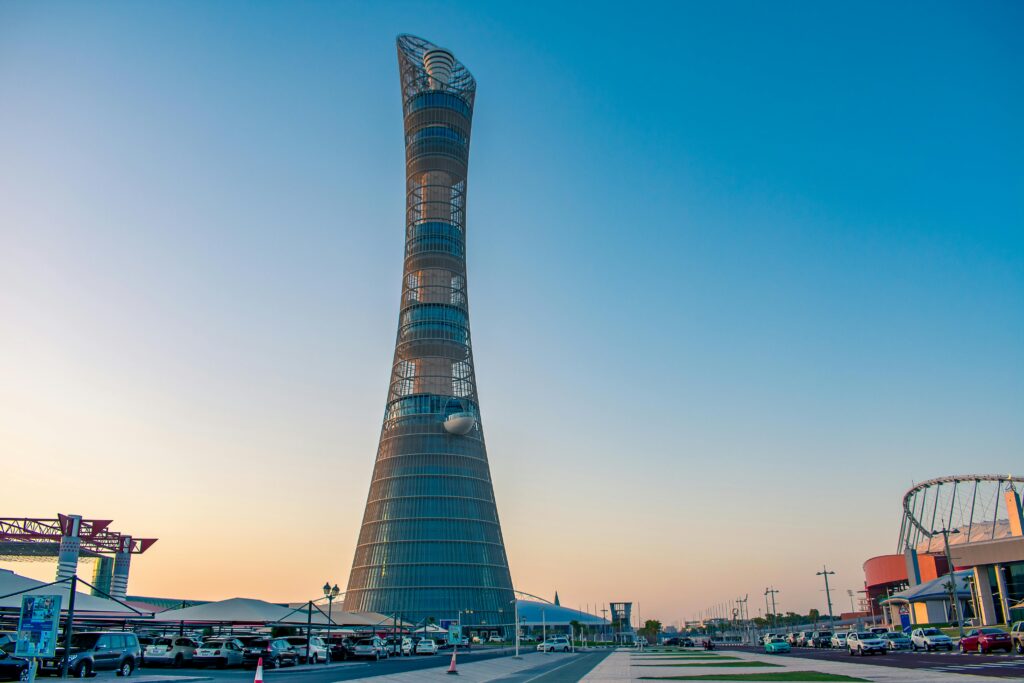
The Incident: Cruise Passengers Caught in Regional Tensions
According to reports, more than 150 Russian tourists traveling on a cruise in the Persian Gulf were unable to continue their journey after regional military tensions escalated.
The cruise ship, which had planned to visit multiple Gulf destinations, reportedly stopped in Qatar as safety concerns and logistical complications disrupted the scheduled itinerary.
Factors contributing to the disruption included:
- Rising military tensions in the Middle East
- Airspace and maritime security concerns
- Possible port restrictions or operational delays
- Safety assessments by cruise operators
Passengers found themselves temporarily stranded as travel companies assessed the safest options for continuing or terminating the voyage.
The Persian Gulf as a Cruise Destination
In recent years, the Persian Gulf has grown into a popular cruise tourism region.
Key cruise destinations include:
- Dubai, United Arab Emirates
- Abu Dhabi
- Doha, Qatar
- Muscat, Oman
- Manama, Bahrain
Cruise itineraries often operate during the winter months when the region’s weather is mild and appealing to international tourists.
The Gulf offers a combination of luxury experiences, cultural heritage sites, and modern attractions, making it attractive to travelers from Europe, Asia, and Russia.
Why Cruise Travel Is Vulnerable to Geopolitical Events
Cruise ships operate across international waters and rely on access to multiple ports during a single voyage.
When geopolitical crises occur, cruise operators may face sudden challenges such as:
- Closed or restricted ports
- Security warnings from governments
- Insurance limitations
- Re-routed travel corridors
- Passenger safety concerns
Unlike air travel, cruise itineraries are highly dependent on regional stability because ships must follow planned maritime routes and docking schedules.
A single conflict zone can disrupt entire regional cruise circuits.
Russia and International Cruise Tourism
Before recent geopolitical tensions and sanctions affecting travel patterns, Russian tourists were significant participants in international cruise tourism.
Russian travelers often booked cruises in:
- The Mediterranean
- Northern Europe
- The Caribbean
- The Persian Gulf
However, sanctions, visa restrictions, and flight limitations in recent years have reduced travel options for Russian citizens.
As a result, many Russian tourists have increasingly turned to destinations in the Middle East and Asia that remain accessible.
Qatar’s Role as a Tourism Hub
Qatar has invested heavily in tourism development, particularly after hosting the 2022 FIFA World Cup.
The country has expanded infrastructure including:
- Hamad International Airport
- Cruise ship terminals in Doha
- Luxury hotels and resorts
- Cultural attractions such as the Museum of Islamic Art
Doha has become an emerging cruise hub for Gulf itineraries, welcoming ships that bring thousands of passengers each season.
In crisis situations, such ports can also serve as temporary safe docking points for vessels facing itinerary disruptions.
Safety Protocols for Cruise Lines
Cruise companies maintain strict safety and contingency protocols to handle emergencies.
When geopolitical risks emerge, cruise operators typically:
- Monitor government travel advisories.
- Coordinate with maritime authorities and port officials.
- Adjust itineraries or cancel port calls.
- Provide updates and support for passengers.
- Arrange alternative travel plans if necessary.
Passenger safety is the top priority, even if itinerary changes cause delays or inconvenience.
The Human Impact on Stranded Travelers
For passengers caught in geopolitical disruptions, the experience can be stressful and uncertain.
Travelers may face:
- Delays in returning home
- Language barriers
- Limited communication with family
- Changing travel plans
- Visa and documentation challenges
Cruise operators and embassies often work together to assist stranded tourists with logistics and repatriation if necessary.
Tourism in Conflict Zones
The Middle East has experienced periodic geopolitical tensions for decades, yet tourism in the region has continued to grow in many areas.
Cities such as Dubai, Doha, and Abu Dhabi have built reputations as safe, modern travel hubs.
However, even when conflicts occur elsewhere in the region, nearby destinations can feel the ripple effects.
Travelers may cancel trips due to perceived risk rather than direct threats.
Economic Implications for the Cruise Industry
Cruise tourism is a multi-billion-dollar global industry.
Regional disruptions can lead to:
- Itinerary changes or cancellations
- Financial losses for cruise companies
- Reduced tourism spending in affected ports
- Insurance cost increases
- Reputational challenges for destinations
For emerging cruise markets like the Gulf region, maintaining stability and traveler confidence is essential for continued growth.
Crisis Management in Tourism
Governments and tourism authorities often collaborate with international travel companies to manage crises affecting travelers.
Key crisis response strategies include:
- Transparent communication with travelers
- Coordination with embassies and consulates
- Safe transportation arrangements
- Media messaging to manage public perception
Effective crisis management can help restore traveler confidence once tensions subside.
Frequently Asked Questions
Why were the Russian tourists stranded?
Escalating regional conflict disrupted cruise itineraries and travel routes, forcing the ship to remain docked while safety assessments were conducted.
Is cruise travel safe during geopolitical tensions?
Cruise companies closely monitor global developments and adjust routes to ensure passenger safety.
Why was Qatar chosen as a docking location?
Doha has modern cruise facilities and strong infrastructure, making it a safe port for vessels needing temporary stops.
How do cruise companies help stranded passengers?
They coordinate alternative travel plans, provide accommodation and meals, and work with embassies to assist travelers.
Can conflicts affect cruise tourism globally?
Yes. Regional conflicts can disrupt cruise routes, leading to itinerary changes or cancellations.
Are Gulf cruises still operating?
Cruise operations depend on security assessments and government advisories. Some routes may be adjusted temporarily.
What should travelers do during travel disruptions?
Travelers should follow instructions from cruise operators, stay informed through official updates, and contact their embassy if necessary.
Conclusion
The situation involving Russian tourists stranded aboard a cruise ship in Qatar underscores the fragile relationship between tourism and global geopolitics.
Cruise travel offers extraordinary experiences across international waters, but it also depends heavily on regional stability. When conflicts arise, travelers and tourism companies must quickly adapt to rapidly evolving circumstances.
While the Gulf region remains a growing cruise destination, incidents like this remind both travelers and industry leaders that geopolitical tensions can reshape travel plans overnight.
Ultimately, strong crisis management, coordinated international cooperation, and transparent communication remain essential to protecting travelers when tourism intersects with global conflict.

Sources The Moscow News

