
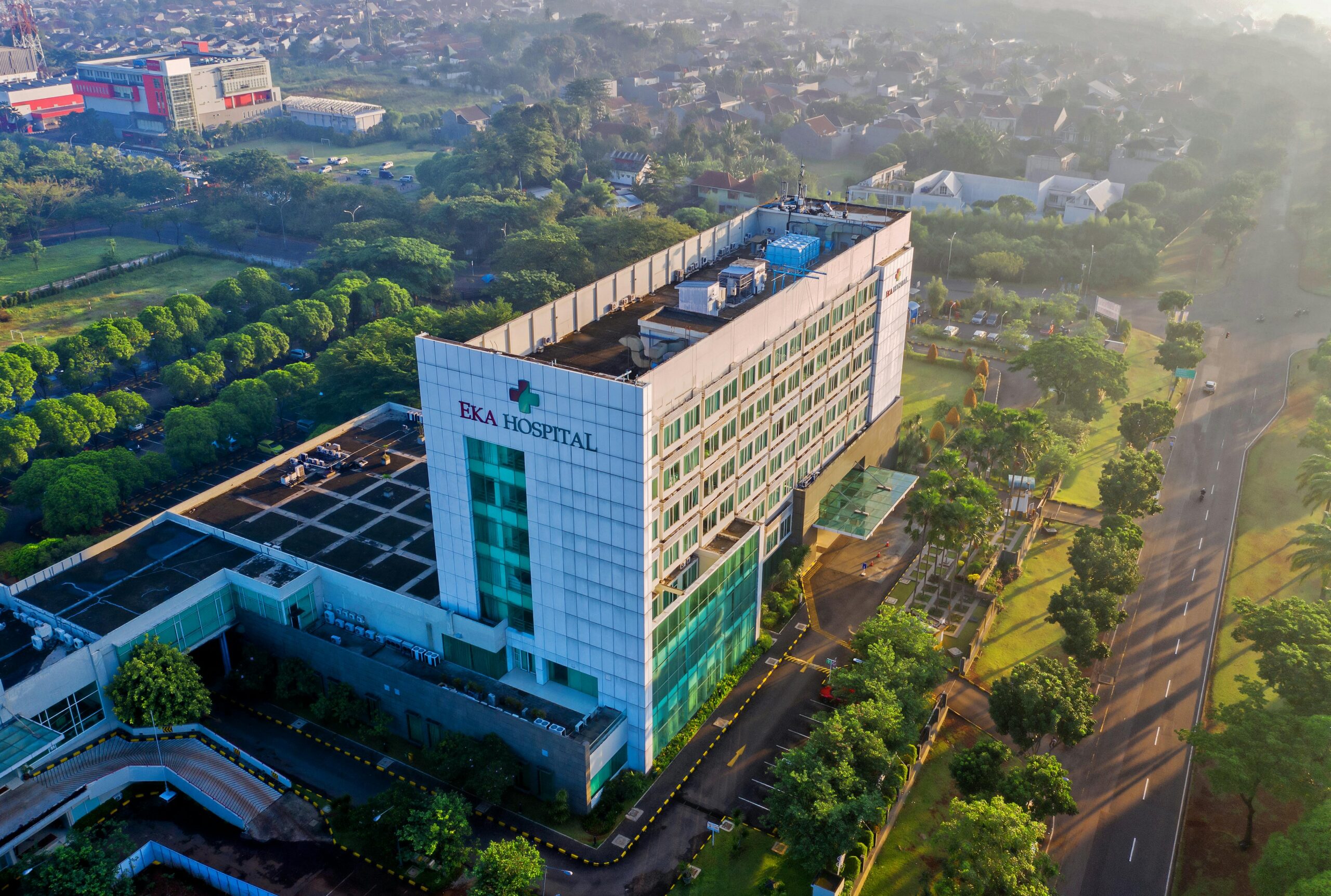
Southeast Asia is rapidly emerging as one of the world’s leading hubs for medical tourism, with the market projected to approach $36 billion in value. Countries like Thailand, Malaysia, Singapore, and Indonesia are attracting international patients seeking high-quality, affordable healthcare combined with comfortable travel experiences.
While hospitals and clinics are at the center of this growth, a less obvious—but equally critical—player is stepping up: the hospitality industry. As highlighted in the Travel Daily Media article, hotels across the region are overhauling their infrastructure and services to cater specifically to medical travelers. This shift signals a broader تحول in how tourism and healthcare intersect.

What Is Medical Tourism?
Medical tourism refers to traveling abroad for:
- Medical treatments (surgery, procedures)
- Wellness therapies (spa, rehabilitation)
- Preventive healthcare (check-ups, diagnostics)
Patients often choose destinations based on:
- Cost savings
- Quality of care
- Shorter waiting times
- Travel experience
Why Southeast Asia Is Leading the Market
1. Competitive Pricing
Healthcare costs in Southeast Asia are significantly lower than in:
- The United States
- Europe
- Australia
Patients can save:
- 30% to 80% on procedures
2. High-Quality Medical Facilities
Many hospitals in the region offer:
- International accreditation (e.g., JCI-certified hospitals)
- English-speaking medical staff
3. Strategic Location and Accessibility
Southeast Asia is well-connected through:
- Major international airports
- Regional airline hubs
- Visa-friendly policies
4. Tourism Appeal
Patients can combine treatment with:
- Beach vacations
- Cultural exploration
- Wellness retreats
Why Hotels Are Transforming
1. Changing Guest Profiles
Medical tourists differ from traditional travelers:
- They may stay longer
- Require specialized care
- Travel with companions
2. Demand for Recovery-Friendly Environments
Hotels must provide:
- Quiet, spaces
- Accessibility features
- oriented amenities
3. Integration with Healthcare Providers
Many hotels are forming partnerships with:
- Hospitals
- Clinics
- Medical facilitators
This creates a seamless patient experience.
Key Infrastructure Upgrades in Hotels
1. Medical-Friendly Room Design
Hotels are redesigning rooms to include:
- Adjustable beds
- Wheelchair accessibility
- Emergency response systems
2. Wellness and Rehabilitation Facilities
New offerings include:
- Physiotherapy rooms
- Hydrotherapy pools
- Fitness and recovery
3. Hygiene and Safety Standards
Post-pandemic expectations have increased focus on:
- Sanitization protocols
- quality systems
- Health monitoring services
4. Extended-Stay Accommodations
Medical tourists often require:
- Long-term stays
- Kitchen facilities
- Comfortable living environments
The Rise of “Medical Hotels”
Some properties are evolving into hybrid spaces that combine:
- Hotel services
- Medical support
- Wellness programs
These “medical hotels” offer:
- On-site nurses or caregivers
- Direct links to hospitals
- Customized recovery plans
Technology and Personalization
1. Digital Health Integration
Hotels are adopting:
- Telemedicine services
- Health monitoring apps
- patient records integration
2. AI and Data-Driven Services
Advanced systems can:
- Personalize guest experiences
- Track recovery progress

Economic Impact of Medical Tourism
1. Revenue Growth
Medical tourists typically:
- Spend more than leisure travelers
- Stay longer
- Use premium services
2. Job Creation
Growth in this sector supports:
- Healthcare professionals
- Hospitality staff
- Support services
3. Regional Development
Smaller cities and regions can benefit from:
- New investments
- Infrastructure development
- Increased global visibility
Challenges Facing the Industry
1. Regulatory Differences
Medical tourism involves:
- Cross-border healthcare
- Insurance complications
- Legal considerations
2. Quality Consistency
Maintaining high standards across:
- Hospitals
- Hotels
- Service providers
is essential for trust.
3. Ethical Concerns
Issues include:
- Equity in healthcare access
- Prioritization of foreign patients
- Impact on local populations
Sustainability and Responsible Growth
1. Balancing Tourism and Healthcare
Governments must ensure:
- Local populations are not underserved
- Healthcare systems remain sustainable
2. Environmental Considerations
Hotels are adopting:
- Eco-friendly practices
- Sustainable and operations
Future Trends in Medical Tourism
1. Preventive and Wellness Tourism
Growth in:
- Health check-ups
- Holistic wellness programs
- Lifestyle
2. Aging Global Population
Older travelers are:
- Seeking affordable care abroad
- Driving demand for long-term recovery stays
3. Integration of Hospitality and Healthcare
The line between:
- Hotels
- Clinics
- Wellness centers
will continue to blur.
Tips for Medical Tourists
1. Research Thoroughly
- Verify hospital accreditation
- Check doctor credentials
2. Plan for Recovery
- Choose accommodations suited for healing
- Allow sufficient recovery time
3. Understand Costs
- Consider travel, accommodation, and follow-up care
4. Check Insurance Coverage
- Confirm what is covered internationally
Frequently Asked Questions (FAQs)
1. What is medical tourism?
Traveling to another country for medical treatment or healthcare services.
2. Why is Southeast Asia popular for medical tourism?
Due to affordable costs, high-quality care, and attractive travel destinations.
3. How are hotels adapting to medical tourists?
By upgrading infrastructure, offering wellness services, and partnering with healthcare providers.
4. What are medical hotels?
Hotels designed to support patients with recovery-friendly facilities and medical.
5. Is medical tourism safe?
It can be safe if patients choose accredited providers and plan carefully.
6. What are the risks?
Potential risks include complications, legal issues, and in standards.
7. What is the future of medical tourism?
Continued growth, driven by technology, aging populations, and demand for affordable healthcare.
Conclusion
The rise of medical tourism in Southeast Asia is reshaping not just healthcare, but the entire travel ecosystem. Hotels are no longer just places to stay—they are becoming integral parts of the journey.
As the market approaches $36 billion, the integration of hospitality and healthcare will continue to evolve, offering patients a unique combination of treatment, comfort. The challenge ahead lies in ensuring that this growth remains sustainable, ethical, and beneficial for both visitors and local communities.

Sources Travel Daily Media

