
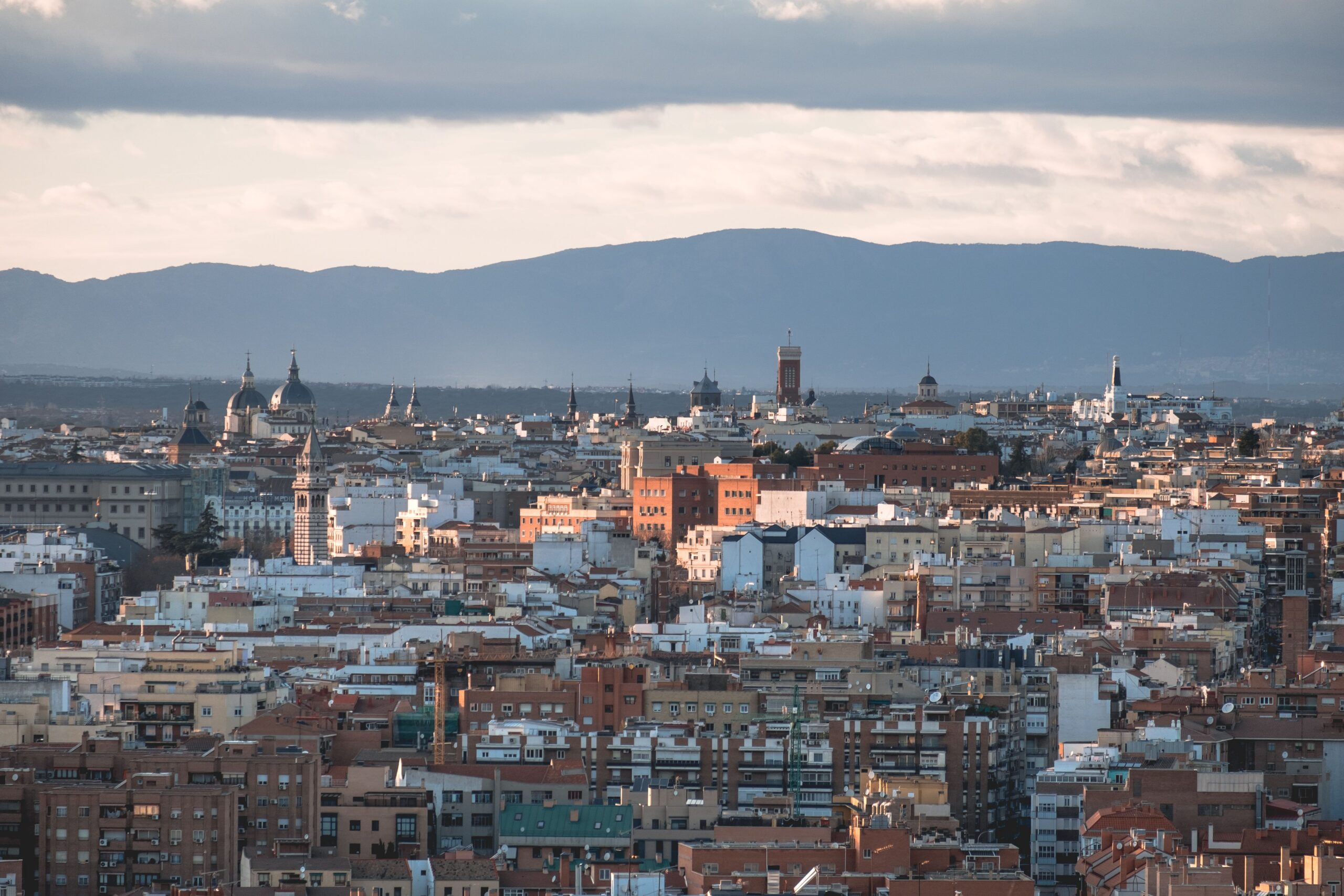
Spain is on track to welcome nearly 100 million international visitors in 2026, cementing its position as one of the world’s most popular tourist destinations. While such numbers would normally be celebrated as a major economic success, Spanish authorities are increasingly confronting a different challenge: how to manage tourism growth without overwhelming local communities, housing markets, and natural environments.
In response, the Spanish government has launched a strategy aimed at directing travelers away from traditional hotspots such as Barcelona, Mallorca, Ibiza, and the Costa del Sol toward lesser-known inland and northern regions. The goal is simple but ambitious: spread the economic benefits of tourism more evenly while reducing pressure on overcrowded destinations.
The Tourism Boom That Changed Spain
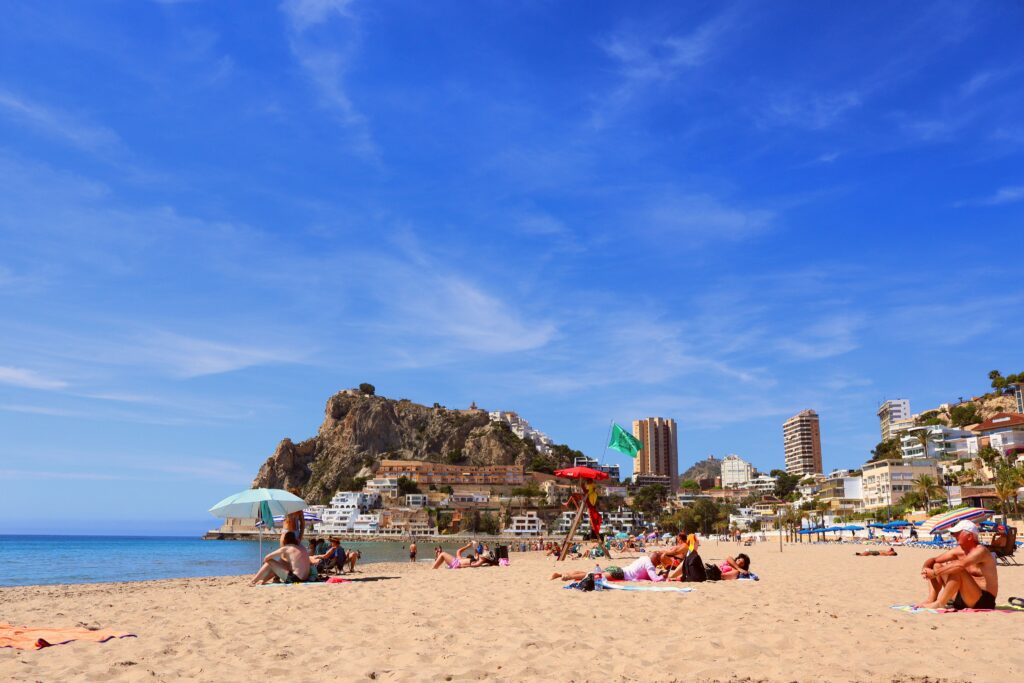
Tourism has become one of Spain’s most important economic sectors. In 2025, the country welcomed approximately 96.8 million foreign visitors, generating more than €134 billion in tourism revenue and accounting for over 12% of Spain’s GDP. Visitor spending continues to rise as travelers stay longer and spend more on experiences, accommodations, food, and transportation.
Several factors have fueled Spain’s tourism boom:
- Excellent transportation infrastructure
- Strong international flight connections
- A favorable Mediterranean climate
- Rich cultural heritage
- Competitive pricing compared to some European destinations
- Global geopolitical uncertainty encouraging travelers to choose stable destinations such as Spain
However, success has come with consequences.
Understanding Spain’s Overtourism Problem
“Overtourism” occurs when visitor numbers exceed a destination’s capacity to comfortably accommodate them, negatively affecting residents, infrastructure, and the environment. Spain has become one of Europe’s most prominent examples of this phenomenon.
In many tourism-heavy regions, residents have raised concerns about:
- Rising housing costs
- Expansion of short-term vacation rentals
- Increased traffic congestion
- Water shortages during summer months
- Environmental degradation
- Loss of local identity and culture
- Seasonal overcrowding in public spaces
Public frustration has become increasingly visible. Demonstrations against mass tourism have taken place in Barcelona, Mallorca, Menorca, and the Canary Islands, with protesters arguing that local communities are being priced out of their own neighborhoods.
Spain’s Solution: Diversify Tourism Beyond the Coast
Rather than simply limiting tourist arrivals, Spain is attempting a more balanced approach.
Tourism Minister Jordi Hereu has advocated for “calm growth,” encouraging visitors to discover destinations beyond the traditional beach resorts. The strategy focuses on three major objectives:
1. Geographic Diversification
Spain wants to attract visitors to regions that historically receive fewer international tourists, including:
- Galicia
- Asturias
- Castilla-La Mancha
- Extremadura
- Aragón
- Castilla y León
- Inland Andalusia
These regions offer historic towns, mountain landscapes, vineyards, pilgrimage routes, national parks, and authentic cultural experiences that differ significantly from the country’s famous beach destinations.
2. Year-Round Tourism
Many Spanish tourism destinations experience extreme seasonality, with summer months creating overwhelming demand while businesses struggle during the rest of the year.
By promoting inland cultural tourism, nature tourism, gastronomy, wine routes, and heritage travel, officials hope to create a more stable twelve-month tourism economy.
3. Sustainable Development
Spain’s 2030 tourism strategy emphasizes environmental sustainability, quality tourism experiences, climate resilience, and stronger benefits for local communities.
The Rise of “Hidden Spain”
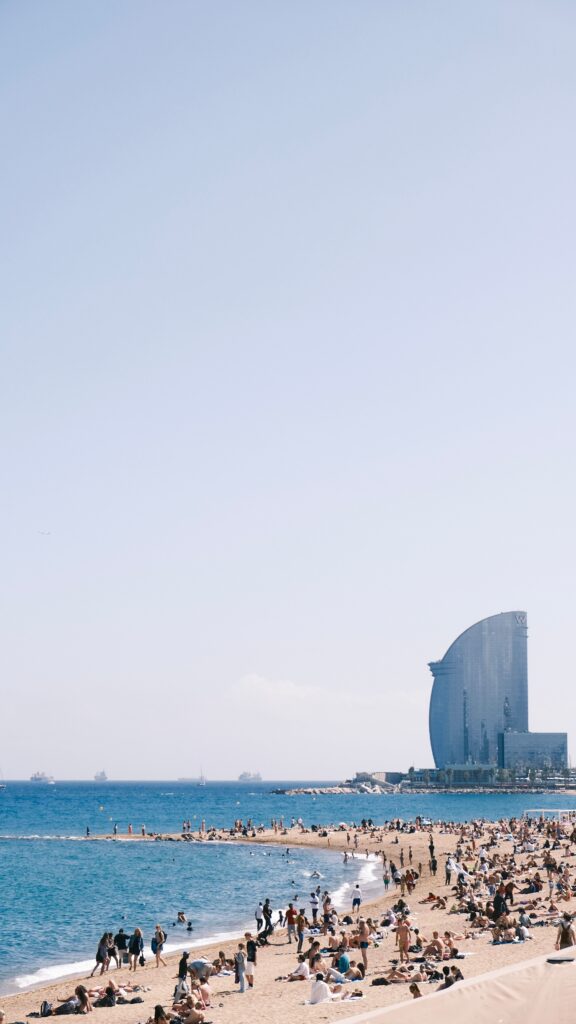
One of the most interesting aspects of Spain’s new strategy is the promotion of what many tourism experts call “Hidden Spain.”
Galicia
Located in Spain’s northwest corner, Galicia is known for:
- Dramatic Atlantic coastlines
- Seafood cuisine
- Celtic heritage
- The famous Camino de Santiago pilgrimage route
The region is increasingly attracting travelers seeking authentic experiences away from crowded Mediterranean beaches.
Asturias
Often described as Spain’s green paradise, Asturias offers:
- Mountain landscapes
- Hiking trails
- Traditional villages
- Sustainable eco-tourism opportunities
Its cooler climate also makes it attractive as southern Europe experiences more frequent heatwaves.
Castilla-La Mancha
Best known as the setting of Miguel de Cervantes’ “Don Quixote,” the region features:
- Historic windmills
- Medieval towns
- Wine tourism
- Cultural heritage routes
The area remains significantly less crowded than Spain’s coastal regions.
Climate Change Is Reshaping Travel Patterns
Another factor driving Spain’s tourism diversification strategy is climate change.
Rising summer temperatures across southern Europe have prompted some travelers to seek cooler destinations. Northern Spain’s Atlantic regions are becoming increasingly attractive alternatives to traditionally hot Mediterranean resorts.
Spain is also investing in climate adaptation measures to ensure long-term tourism sustainability. These efforts include water management projects, environmental conservation programs, and infrastructure improvements designed to withstand increasingly extreme weather conditions.
Reviving Rural Spain
Spain faces another challenge often overlooked by international visitors: rural depopulation.
Many inland villages have experienced decades of population decline as younger residents moved to major cities in search of employment opportunities. Some regions now struggle with aging populations and shrinking local economies.
By encouraging tourists to explore these lesser-known destinations, authorities hope to:
- Create local jobs
- Support small businesses
- Preserve cultural traditions
- Stimulate investment
- Encourage rural revitalization
Tourism is increasingly viewed not only as an economic engine but also as a tool for regional development.
Housing and Rental Regulations
A major source of public concern involves short-term vacation rentals.
Cities such as Barcelona have announced plans to eliminate tourist apartment licenses by 2028 in an effort to increase housing availability for local residents and reduce rental inflation. Spanish authorities have also intensified efforts to regulate illegal holiday accommodations.
Supporters argue these measures will help restore housing affordability, while critics warn they could reduce accommodation capacity and raise prices for visitors.
What This Means for Travelers
For international travelers, Spain’s tourism transformation presents an opportunity rather than a restriction.
Visitors willing to venture beyond traditional tourist hubs may discover:
- Lower accommodation costs
- Less crowded attractions
- More authentic local experiences
- Better access to nature
- Unique cultural traditions
- Improved sustainability
The shift also reflects a broader global tourism trend in which destinations increasingly prioritize quality over quantity.
The Future of Spanish Tourism
Spain’s challenge is not whether tourists will continue to arrive—it is how to manage that success responsibly.
If current trends continue, the country could surpass 100 million international visitors in the near future. The government’s long-term strategy seeks to ensure that tourism growth benefits residents, protects natural resources, preserves cultural identity, and strengthens regional economies rather than creating unsustainable pressure on a handful of famous destinations.
Whether Spain can successfully balance economic growth with sustainability may ultimately serve as a model for other tourism-dependent countries facing similar overtourism challenges.
Frequently Asked Questions (FAQs)
1. Why is Spain promoting lesser-known regions to tourists?
Spain wants to reduce pressure on overcrowded destinations while spreading tourism revenue to under-visited regions. The strategy also supports sustainability and regional economic development.
2. What is overtourism?
Overtourism occurs when visitor numbers become so high that they negatively affect local residents, infrastructure, housing markets, and the environment.
3. Which Spanish regions are being promoted as alternatives?
Key regions include Galicia, Asturias, Castilla-La Mancha, Extremadura, Aragón, and Castilla y León, all of which offer cultural, historical, and natural attractions with fewer crowds.
4. How important is tourism to Spain’s economy?
Tourism contributes more than 12% of Spain’s GDP and generated over €134 billion in economic activity during 2025.
5. Will Spain limit the number of tourists?
Spain is generally focusing on redistribution and sustainability rather than imposing nationwide visitor caps. However, some cities are introducing regulations on short-term rentals and tourism-related activities to protect local communities.
Sources The Guardian

