
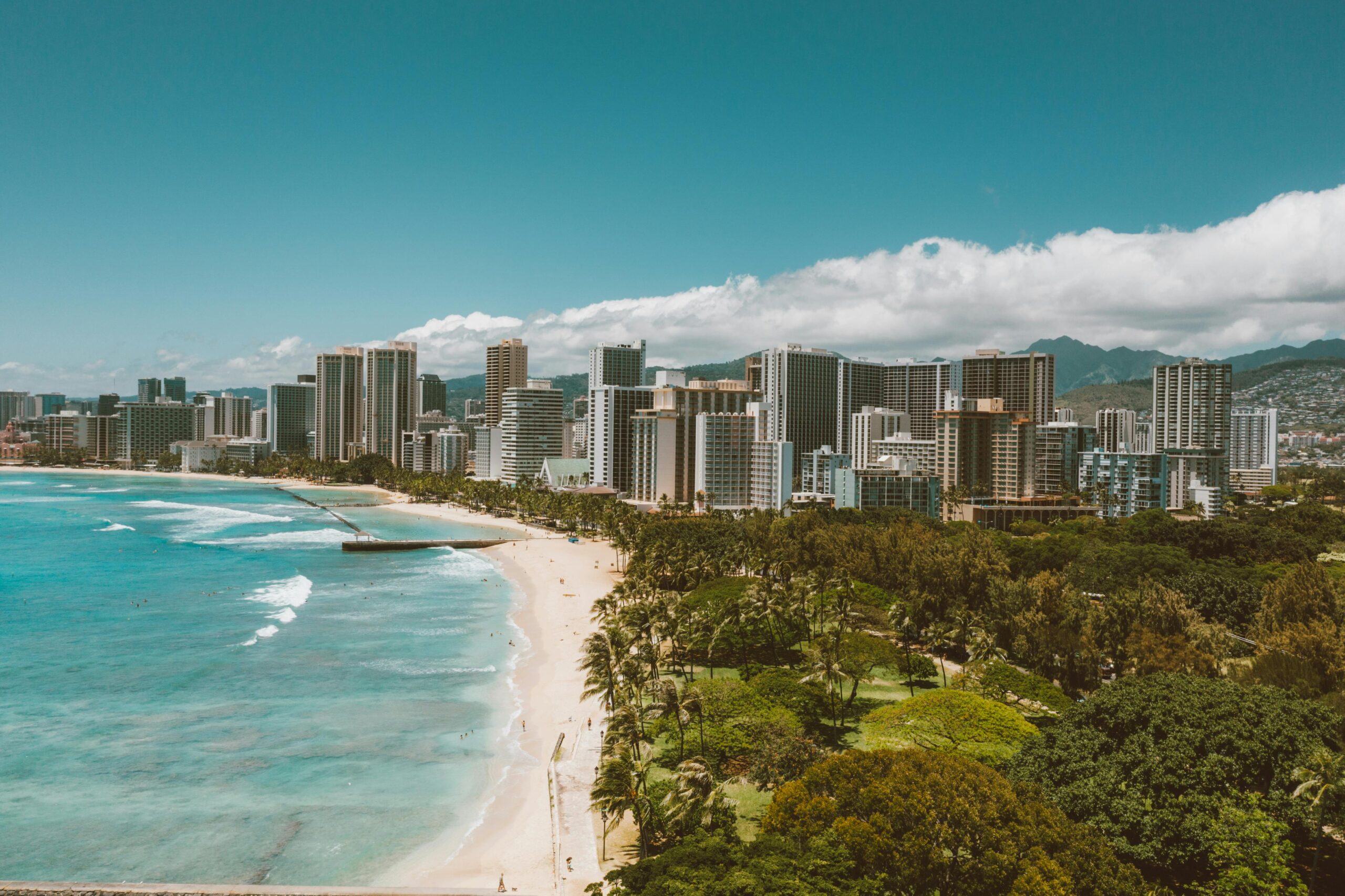
Hawaiʻi’s tourism sector began 2026 on a high note, with strong January visitor arrivals and spending offering a welcome boost to the state’s economy. However, beneath the headline numbers lies a more complex and uneven outlook for the months ahead.
Industry leaders, economists, and business owners caution that early-year gains may not reflect the full trajectory of Hawaiʻi’s visitor industry. Shifting travel patterns, rising costs, housing pressures, climate risks, and global economic uncertainty all contribute to a more nuanced forecast.
This article explores what the strong January performance means — and why it may not guarantee sustained growth.
A Strong Start to the Year
January is traditionally one of Hawaiʻi’s busier months, driven by:
- Winter escape travel from the U.S. mainland
- Canadian snowbird visitors
- International holiday travel
- Conference and business travel
Early 2026 data showed increases in visitor arrivals and total spending compared to the same period last year. Hotel occupancy improved in certain areas, and per-visitor spending remained elevated.
Higher average daily hotel rates and strong demand for premium accommodations contributed to revenue gains, particularly in luxury segments.
However, not all islands or sectors experienced equal benefits.
Uneven Recovery Across Islands
Tourism performance varies significantly by island.
Oʻahu
Oʻahu continues to benefit from its diversified visitor base, including:
- Business and convention travel
- International visitors
- Cruise ship activity
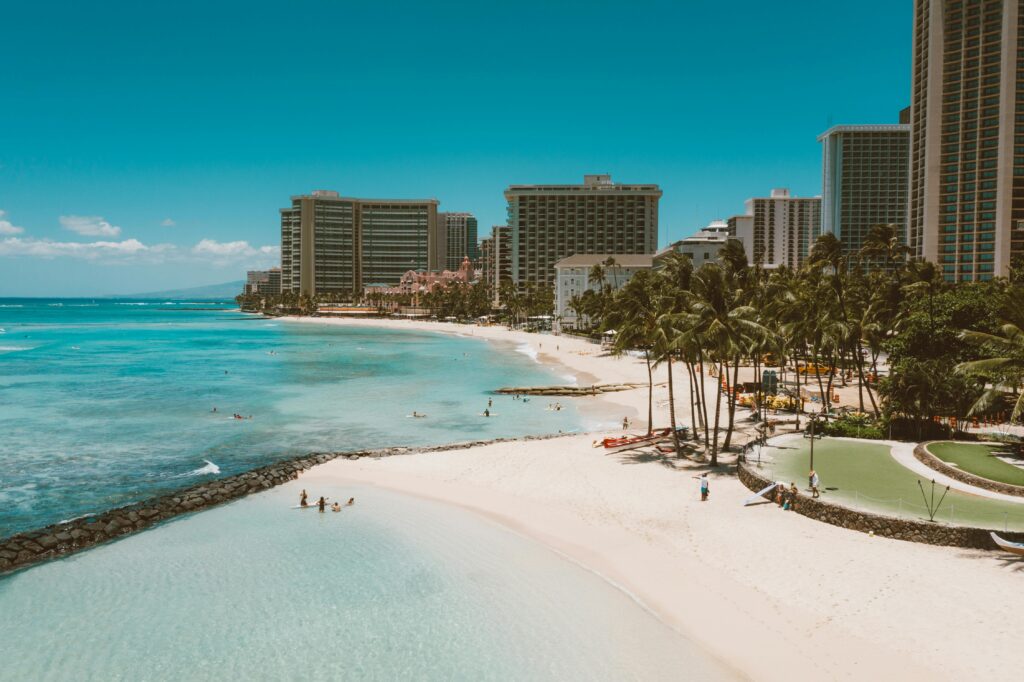
Waikīkī hotels saw steady occupancy, but some operators note that mid-range properties face more price sensitivity among travelers.
Maui
Maui’s recovery remains uneven following the devastating wildfires of 2023. While some areas have seen visitor returns, rebuilding efforts and community concerns continue to shape tourism patterns.
Hawaiʻi Island (Big Island)
The Big Island has seen mixed results, with luxury resorts performing relatively well while smaller operators report variable bookings.
Kauaʻi
Kauaʻi maintains steady demand, particularly from repeat visitors seeking quieter, nature-focused experiences.
Rising Costs and Visitor Sensitivity
While visitor numbers may be strong, travelers are increasingly sensitive to price increases.
Hawaiʻi remains one of the most expensive vacation destinations in the United States. Visitors face:
- High airfare costs
- Elevated hotel rates
- Expensive dining
- Rental car price volatility
- Resort fees and activity costs
As inflation pressures continue globally, some travelers may shorten stays or reduce discretionary spending.
Higher per-visitor spending does not necessarily reflect increased purchasing power — it may partly result from higher prices.
International Markets: A Mixed Picture
International travel to Hawaiʻi has not fully recovered to pre-pandemic levels in all markets.
Japan
Japan historically represents one of Hawaiʻi’s most important international visitor sources. While travel from Japan has improved compared to recent years, exchange rate pressures and economic factors continue to limit a full rebound.
Canada
Canadian travel remains strong during winter months but is subject to currency fluctuations and economic conditions.
Other Asia-Pacific Markets
Emerging markets may offer growth potential, but airline capacity and marketing investments will play critical roles.
Climate and Insurance Pressures
Climate-related risks add uncertainty to the long-term tourism outlook.
Wildfires, hurricanes, coastal erosion, and rising insurance premiums affect:
- Resort operating costs
- Infrastructure planning
- Visitor perception
- Community resilience
Insurance costs in particular have risen sharply in some areas, affecting hotels, vacation rentals, and tour operators.

Workforce and Housing Challenges
Tourism relies heavily on service workers, yet Hawaiʻi continues to face:
- Housing affordability challenges
- Labor shortages
- High cost of living
Some hospitality employers struggle to fill positions, especially in high-cost resort areas where workers may need to commute long distances.
Housing constraints limit workforce stability, which can affect service quality and operational capacity.
Shifting Visitor Behavior
Post-pandemic travel patterns have evolved.
Trends include:
- Shorter booking windows
- Increased demand for flexible cancellation policies
- Preference for experiential and outdoor activities
- Growth in remote work travel
- Greater awareness of sustainability and community impact
Visitors increasingly seek authentic, low-impact experiences rather than purely resort-based stays.
Community Sentiment and Responsible Tourism
Local attitudes toward tourism continue to evolve.
While tourism is the backbone of Hawaiʻi’s economy, some residents express concerns about:
- Overtourism
- Traffic congestion
- Environmental strain
- Cultural commodification
State and county governments are working to balance economic benefits with environmental protection and cultural preservation.
Responsible tourism initiatives emphasize:
- Respect for local communities
- Environmental stewardship
- Education for visitors
- Managed visitor capacity in sensitive areas
Economic Outlook for 2026
Economists suggest that while January’s strong performance is encouraging, several risks could affect the remainder of the year:
- Global economic slowdown
- Airline capacity adjustments
- Currency fluctuations
- Climate-related disruptions
- Competition from international destinations
Tourism remains a critical driver of Hawaiʻi’s GDP and tax revenue, but long-term stability may depend on diversification and strategic planning.
Frequently Asked Questions
Why was January strong for Hawaiʻi tourism?
Winter travel demand, higher hotel rates, and increased per-visitor spending contributed to strong early-year numbers.
Does strong January performance guarantee a good year?
Not necessarily. Tourism performance can fluctuate due to global economic conditions, airline capacity, and seasonal variations.
Which islands are recovering fastest?
Oʻahu appears relatively stable, while Maui continues rebuilding and experiencing uneven recovery.
Is international travel fully back to normal?
Not entirely. Japanese visitor numbers, in particular, have not fully returned to pre-pandemic levels.
How does climate change affect tourism?
Wildfires, storms, and coastal erosion increase operational costs and influence visitor perceptions.
Are Hawaiʻi vacations becoming too expensive?
Rising prices may deter budget travelers, though high-end tourism remains relatively strong.
What is being done about overtourism?
Local governments are implementing visitor management strategies and promoting responsible travel initiatives.
Looking Ahead
Hawaiʻi’s strong January performance offers optimism, but it may mask deeper structural challenges. Tourism remains resilient, yet the industry faces a delicate balancing act: sustaining economic growth while addressing affordability, environmental stewardship, workforce stability, and community well-being.
The months ahead will test whether early momentum translates into sustained recovery — or whether uneven trends widen.
In the long run, Hawaiʻi’s tourism success may depend not only on visitor numbers, but on how thoughtfully the state navigates the complex interplay between economy, environment, and community.

Sources Star Advertiser

