
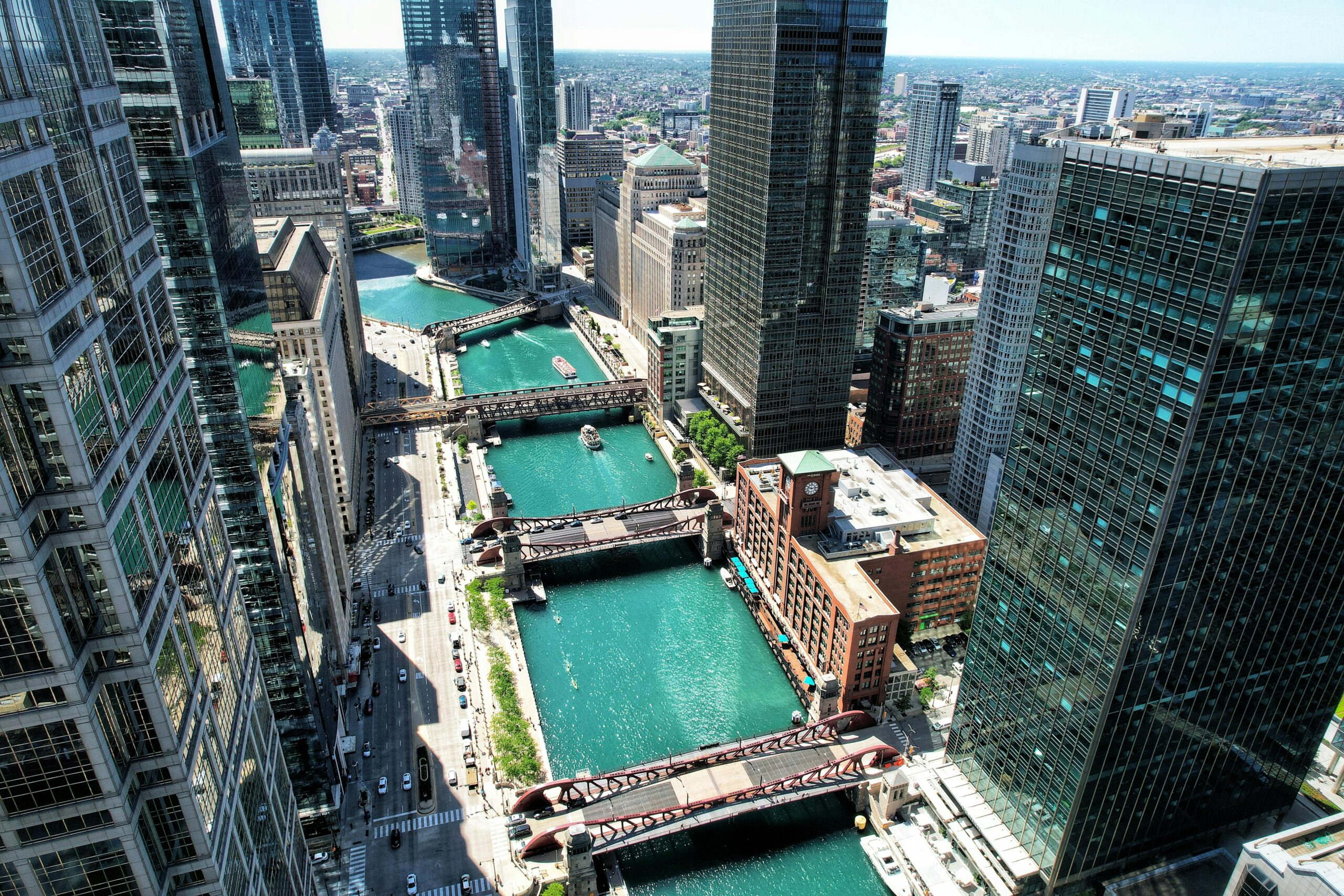
Chicago’s tourism industry has long been a cornerstone of the city’s economy, supporting tens of thousands of jobs across hotels, restaurants, transportation, entertainment, and cultural institutions. Now, discussions around hotel tax policy are once again drawing attention as city leaders weigh whether adjusting visitor taxes could generate new revenue while sustaining — or even strengthening — tourism growth.
The debate raises fundamental questions: Do higher hotel taxes discourage travel? Can tourism levies be used strategically to reinvest in marketing and infrastructure? And how does Chicago compare to other major U.S. cities competing for visitors?
This article explores the broader implications of Chicago’s hotel tax structure, the economic forces at play, and what it could mean for the city’s tourism future.
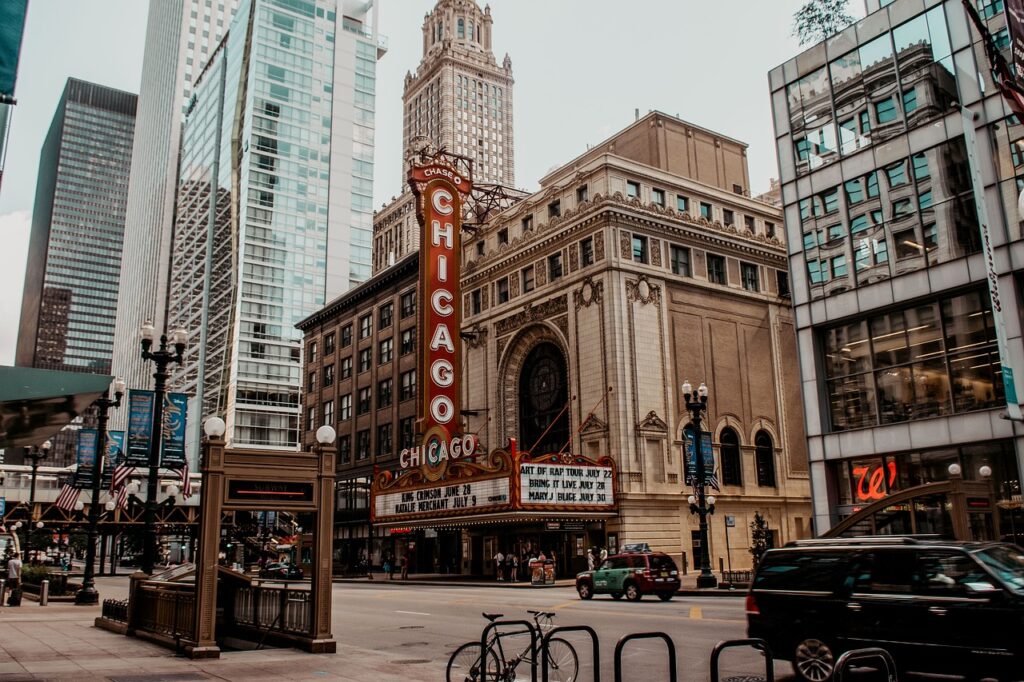
Understanding Chicago’s Hotel Tax Structure
Hotel taxes — often called occupancy taxes — are levied on short-term stays in hotels and other lodging properties. These taxes typically fund:
- Tourism marketing campaigns
- Convention and event promotion
- Infrastructure improvements
- Municipal services
- Public safety and sanitation
Chicago’s combined hotel tax rate, which includes state, county, and city components, is among the higher rates in the country. When all layers are added together, visitors may pay a significant percentage on top of nightly room rates.
While such taxes are politically easier to implement than broad-based taxes on residents, they directly affect the city’s competitiveness as a travel destination.
The Case for Adjusting Hotel Taxes
Proponents of hotel tax adjustments argue that:
1. Visitors Should Help Fund Tourism Infrastructure
Tourists benefit from city services — including public transportation, security, parks, and event programming — without contributing through property or income taxes. Occupancy taxes ensure visitors contribute to the city’s upkeep.
2. Revenue Can Be Reinvested in Marketing
Chicago competes with cities such as New York, Las Vegas, Orlando, and Los Angeles for conventions and leisure travelers. Dedicated tourism funding can support:
- National advertising campaigns
- International marketing
- Convention bidding efforts
- Cultural festivals and events
Increased funding could help Chicago expand its share of the tourism market.
3. Major Events Require Investment
Large-scale events such as conventions, sporting championships, concerts, and cultural festivals bring significant economic impact but require upfront investment. Hotel tax revenue can support event infrastructure and planning.
The Case Against Higher Hotel Taxes
Critics caution that raising hotel taxes may have unintended consequences.
1. Price Sensitivity
Travelers compare total trip costs when choosing destinations. High lodging taxes can make Chicago less competitive compared to cities with lower occupancy rates.
2. Convention Competition
Business travelers and large conventions are particularly sensitive to pricing. Event planners often compare cities based on:
- Hotel room rates
- Tax structures
- Venue costs
- Accessibility
Higher taxes could influence decisions about where to host large-scale conferences.
3. Impact on Budget Travelers
While luxury travelers may absorb higher costs, budget-conscious visitors — including families and student groups — may opt for alternative destinations.
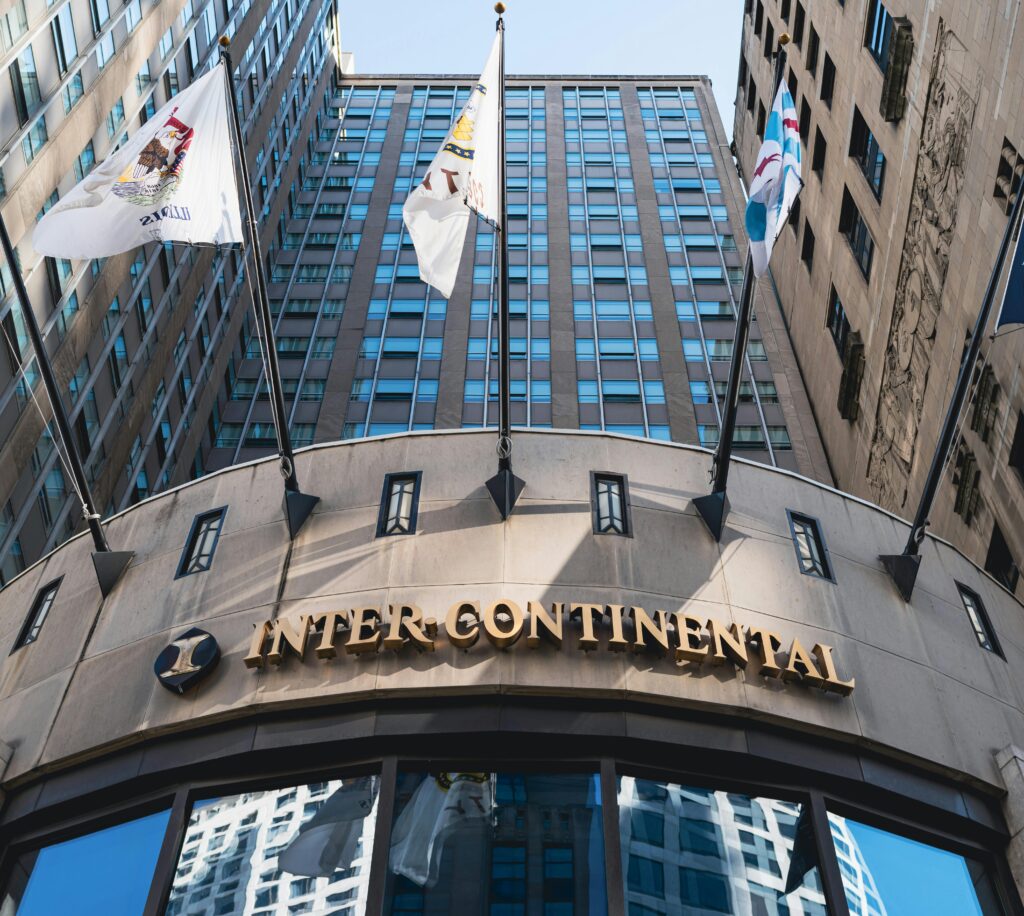
Tourism’s Economic Role in Chicago
Tourism plays a major role in Chicago’s economy.
Pre-pandemic, the city welcomed tens of millions of visitors annually. Tourism supports:
- Hospitality workers
- Restaurant employees
- Transportation services
- Cultural institutions
- Retail businesses
- Neighborhood attractions
Even modest shifts in visitor numbers can ripple across employment and tax revenue.
In recent years, Chicago has worked to restore visitor numbers following pandemic-related declines. Strong leisure travel and the gradual return of conventions have fueled recovery.
The Broader National Context
Hotel tax rates vary widely across U.S. cities.
Cities with major convention centers and large tourism sectors often impose higher occupancy taxes to support marketing and infrastructure. However, some destinations offer lower tax burdens to attract price-sensitive events.
Chicago’s position within this competitive landscape is central to the debate.
Short-Term Rentals and Tax Equity
Another factor in hotel tax discussions is the growth of short-term rentals, such as those listed on home-sharing platforms.
Policymakers must ensure:
- Consistent tax application across lodging types
- Fair competition between hotels and short-term rentals
- Transparent enforcement
Uneven tax enforcement can distort market dynamics.
Balancing Revenue and Growth
The core question is whether higher hotel taxes:
- Generate net positive revenue without reducing visitor demand
or - Suppress growth and reduce overall tourism spending
Economists note that tourism demand is influenced by many variables, including:
- Airfare prices
- National economic conditions
- Exchange rates
- Safety perceptions
- Marketing effectiveness
- Major events
Hotel taxes represent only one component of total travel cost.
Potential Compromise Solutions
Rather than across-the-board increases, policymakers could consider:
- Targeted taxes tied to major events
- Seasonal adjustments
- Incentives for large conventions
- Reinvestment guarantees linking tax increases to tourism promotion
Transparent use of funds may increase public support.
Frequently Asked Questions
What is a hotel occupancy tax?
It is a tax applied to short-term lodging stays, typically used to fund tourism-related initiatives and city services.
Are Chicago’s hotel taxes high compared to other cities?
Chicago’s combined hotel tax rate is among the higher rates nationally, though comparable to some major convention cities.
Do higher hotel taxes reduce tourism?
It depends. While taxes influence cost, other factors such as city attractions, event offerings, and accessibility also play major roles.
Who pays the hotel tax?
Visitors staying in hotels or short-term rentals pay the tax as part of their lodging bill.
How is hotel tax revenue used?
Revenue often supports tourism marketing, convention centers, infrastructure, and city services.
Could raising taxes hurt Chicago’s competitiveness?
Potentially, particularly for price-sensitive conventions or travelers comparing multiple cities.
Why not lower taxes to attract more visitors?
Lower taxes may stimulate demand but would reduce immediate revenue, requiring budget adjustments elsewhere.
The Road Ahead
Chicago’s hotel tax debate highlights a broader balancing act faced by major tourism cities: generating revenue from visitors without discouraging travel.
As the city works to strengthen its post-pandemic tourism recovery, decisions about tax policy must weigh competitiveness, fiscal needs, and long-term growth.
Ultimately, tourism success depends not only on tax rates, but on the overall visitor experience — from vibrant neighborhoods and cultural attractions to efficient transportation and welcoming hospitality.
If carefully calibrated, hotel tax policy can serve as a tool for sustainable growth. But missteps could shift travelers — and their spending — elsewhere.
In a competitive global travel market, strategy matters as much as revenue.

Sources Chicago Tribune


i like reading your article, i will continue to follow you for more update in the future. we are the best advertising agencies froggyads.com check it out. Thank you