
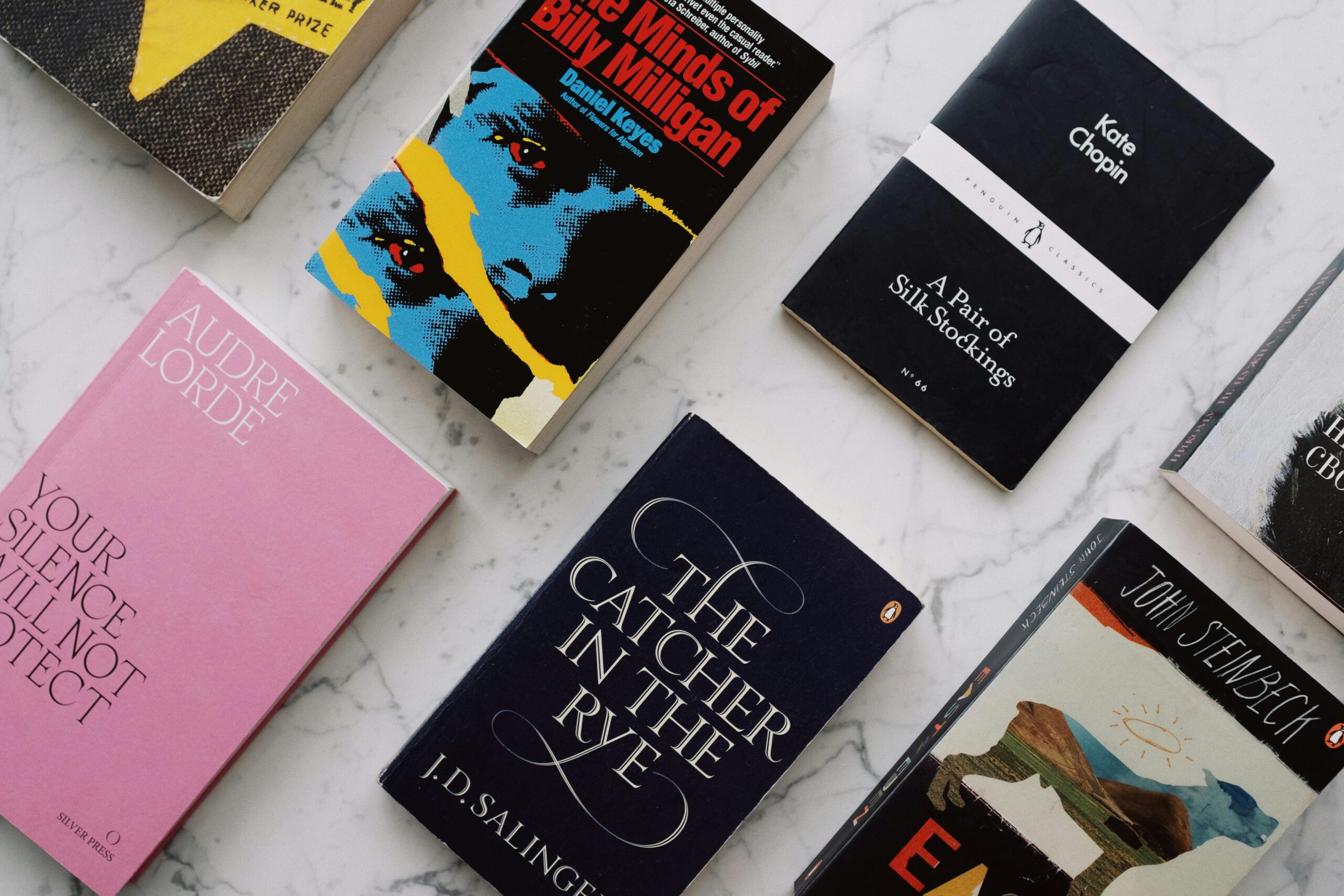
In an increasingly interconnected literary landscape, translation is no longer viewed as a secondary craft—it is an art form in its own right. Conversations with leading voices in the field, including International Booker Prize judges and acclaimed translators, have brought renewed attention to the complexity, creativity, and cultural responsibility embedded in translation work.
At its core, translation is often misunderstood as a mechanical process: converting words from one language to another. In reality, it is closer to rewriting a text—reimagining tone, rhythm, cultural nuance, and emotional resonance for a new audience while remaining faithful to the original spirit.
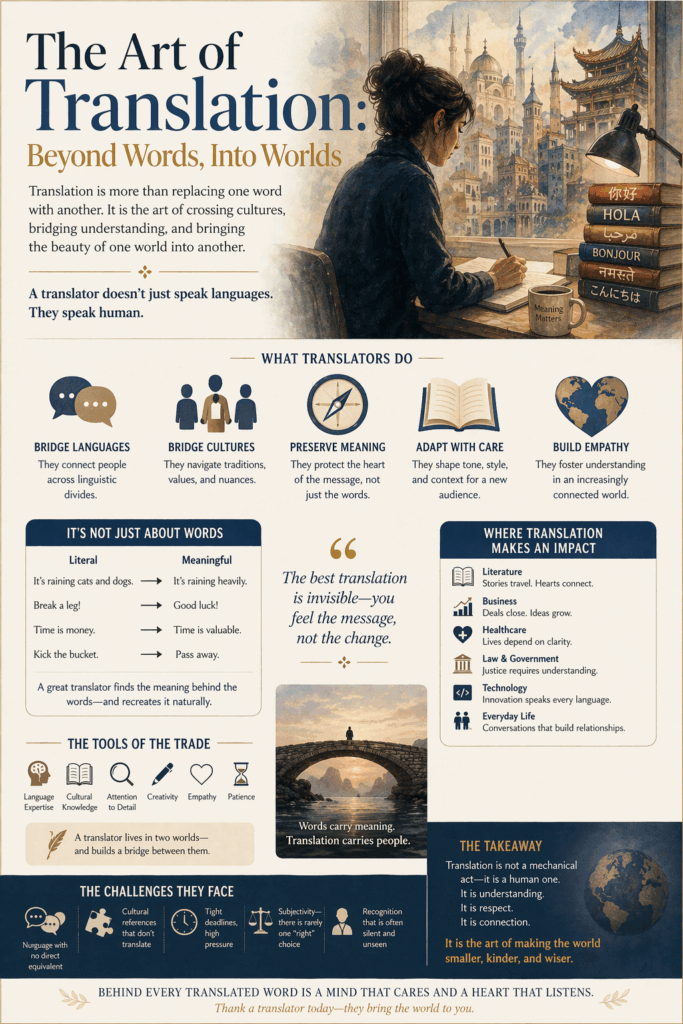
Translation as Creative Authorship
One of the most significant shifts in recent years is the recognition of translators as co-creators. Rather than invisible intermediaries, translators are increasingly acknowledged on book covers, in award nominations, and in literary discussions.
A translator must make countless interpretive decisions:
- How to preserve humor when wordplay doesn’t carry over
- Whether to localize cultural references or retain their foreignness
- How to replicate an author’s voice across linguistic boundaries
These choices require not only linguistic expertise but also literary sensitivity and cultural awareness. In this sense, translation becomes a form of authorship—an act of creative negotiation.
The Challenge of “Untranslatable” Elements
Every language contains words, idioms, and cultural references that resist direct translation. Concepts tied to specific histories or emotional contexts often have no exact equivalent.
For example:
- A single word in one language may require a full sentence in another
- Cultural humor may fall flat without context
- Emotional tones may shift depending on phrasing
Rather than seeing these as obstacles, skilled translators treat them as opportunities to innovate. They may recreate the effect rather than the exact wording, prioritizing how a passage feels over how it literally reads.
The Ethics of Translation
Translation also raises ethical questions. Should a translator remain strictly loyal to the source text, or adapt it for accessibility? Is it acceptable to “smooth out” difficult passages for readability?
Modern thinking leans toward transparency and respect:
- Maintaining the author’s intent and voice is paramount
- Cultural specificity should not be erased for convenience
- Readers should be allowed to encounter “foreignness”
This approach positions translation as a bridge—not a filter—between cultures.
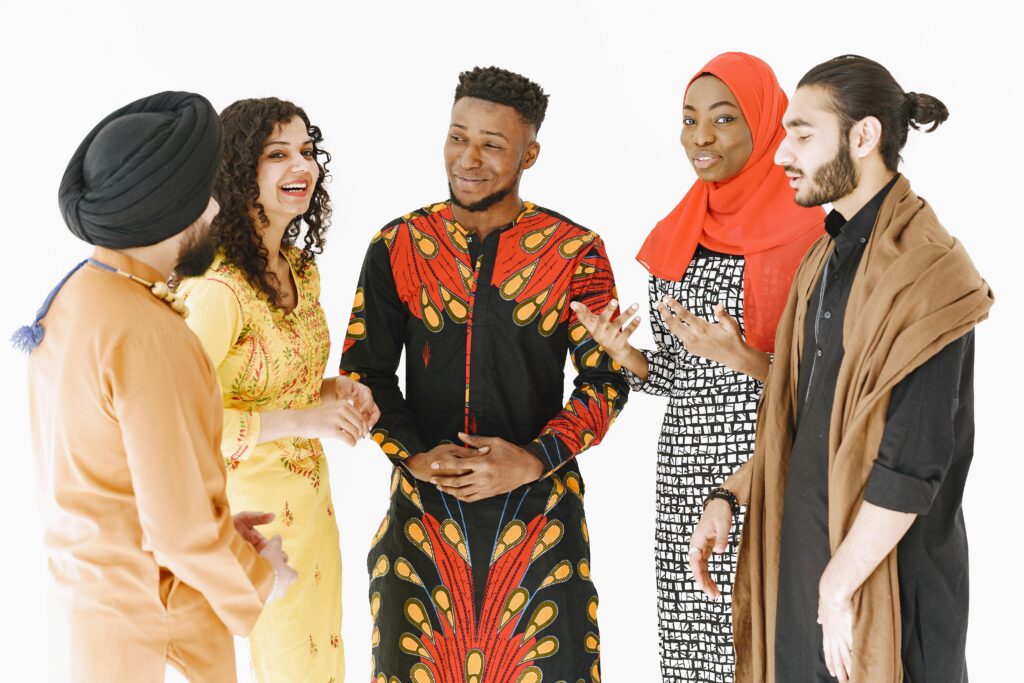
The Role of Translation in Global Literature
The International Booker Prize, which honors both authors and translators, has played a key role in elevating translated literature. It highlights how stories travel across borders and how translation enables literary diversity.
Without translation:
- Many voices would remain confined to their native languages
- Readers would miss out on global perspectives
- Literary innovation would be less dynamic
Translation democratizes storytelling, allowing ideas, histories, and emotions to circulate worldwide.
Technology vs. Human Craft
With the rise of AI and machine translation tools, questions about the future of translation are inevitable. While technology can assist with basic comprehension, it falls short in capturing nuance, tone, and artistry.
Human translators bring:
- Emotional intelligence
- Cultural context
- Stylistic creativity
Rather than replacing translators, technology is more likely to become a supportive tool—handling routine tasks while leaving the artistry to humans.
Why Translation Matters More Than Ever
In a time of globalization and cultural exchange, translation is essential for empathy. It allows readers to experience lives and perspectives far removed from their own.
A well-translated book does more than tell a story—it invites readers into another way of thinking, feeling, and seeing the world.
Frequently Asked Questions (FAQs)
1. Is translation just about knowing two languages?
No. While fluency is essential, translation also requires literary skill, cultural knowledge, and creative interpretation.
2. Why are translators often called “invisible”?
Traditionally, translators were not credited prominently, and their work was expected to be seamless. This “invisibility” is now being challenged, with more recognition given to their contributions.
3. Can a translation ever be identical to the original?
Not exactly. Every translation involves interpretation. The goal is not perfect equivalence, but an authentic recreation of meaning and tone.
4. What makes a good translation?
A good translation reads naturally in the target language while preserving the voice, intent, and emotional impact of the original text.
5. Are machine translations reliable?
They are useful for basic understanding but lack the nuance and creativity needed for literary works.
6. Why do some books have multiple translations?
Different translators bring different interpretations, styles, and cultural perspectives, resulting in varied versions of the same text.
7. How are translators recognized in awards?
Prizes like the International Booker Prize award both the author and translator equally, highlighting their shared contribution.
8. What challenges do translators face most often?
Handling cultural nuances, wordplay, idioms, and maintaining the author’s voice are among the biggest challenges.
Translation is not merely a linguistic exercise—it is an art of connection. It transforms literature into a shared human experience, proving that stories, no matter where they originate, can resonate across languages and cultures.

Sources Euro News

