
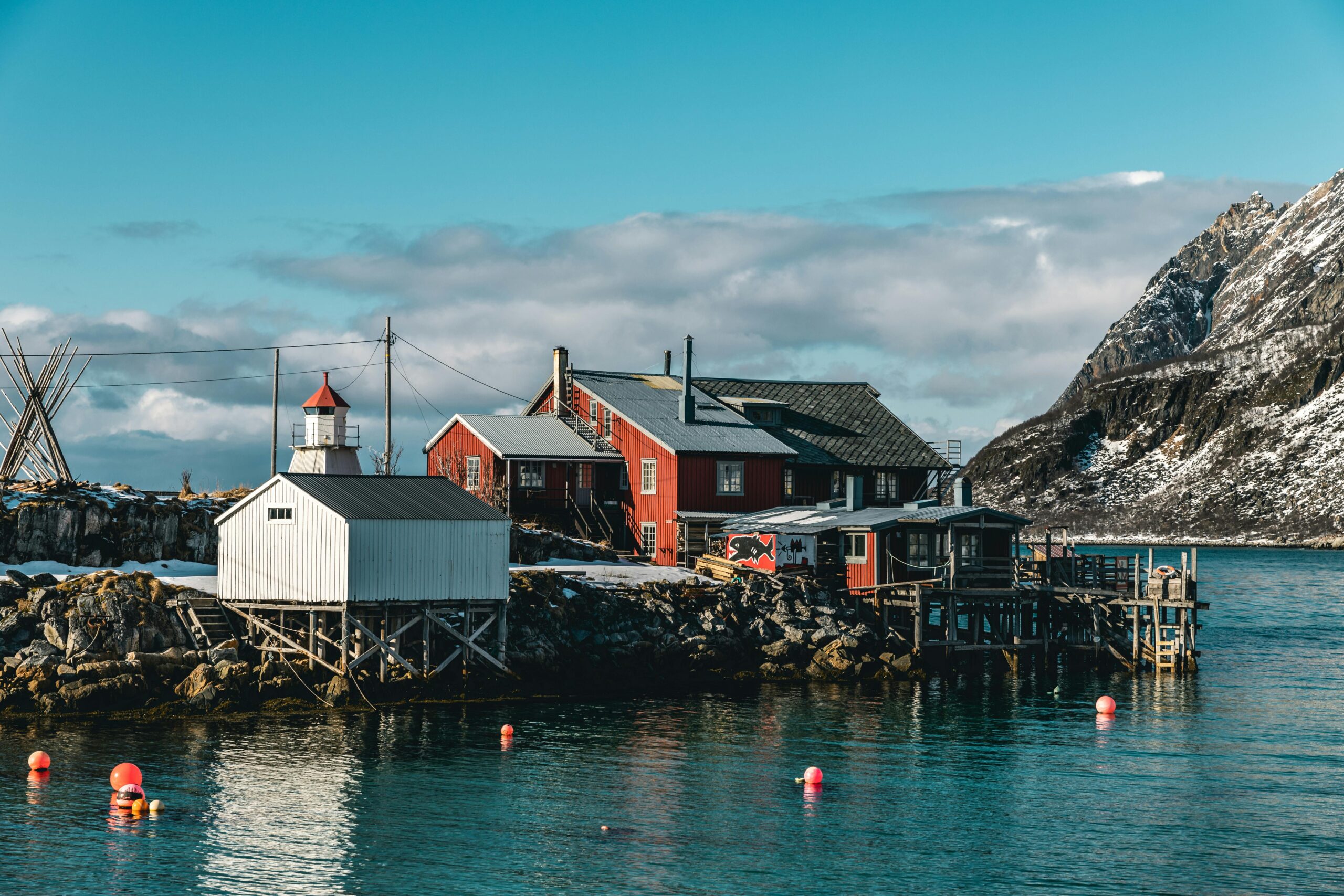
Northern Norway is experiencing a genuine tourism boom. From the dramatic skies filled with aurora borealis to fjords, snow-safaris, and midnight sun experiences, the far north is drawing more travellers than ever. Yet while the numbers are impressive, a deeper look reveals that not all communities are reaping the rewards equally — and several risks are emerging alongside the excitement.
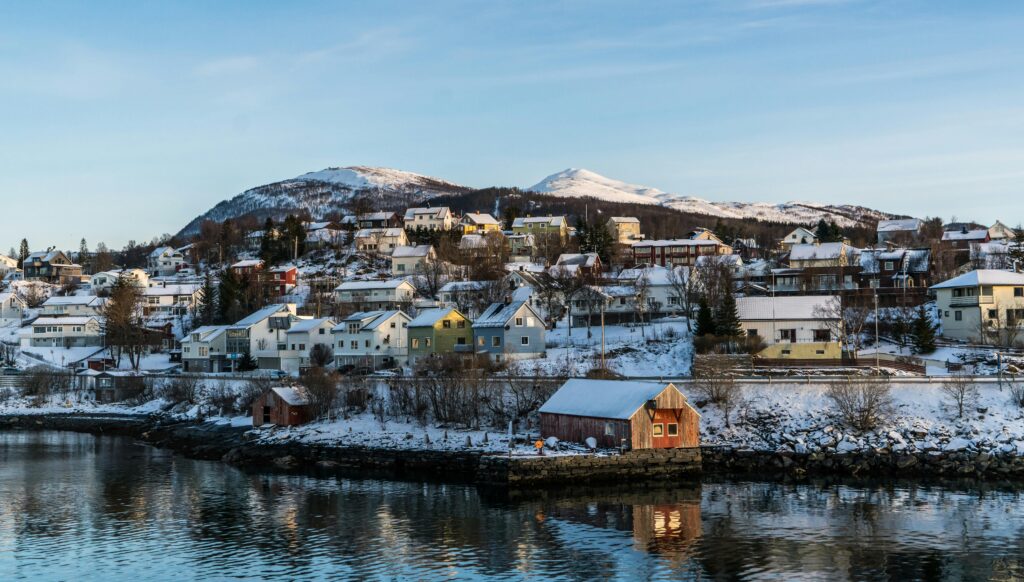
What the Boom Looks Like
- Regions like Troms and Finnmark are reporting strong growth in international visitors, with some areas targeting record numbers for winter-season tourism.
- A surge in direct flight connections and enhanced marketing of “northern lights” and nature-adventure packages are fueling visitor interest.
- Tourism is contributing significantly to regional economies, particularly in nature-based sectors that offer Arctic excursions, cultural tours, and outdoor recreation.
- Popular attractions include bucket-list experiences such as aurora sightings, midnight sun hikes, scenic fjord cruises, and reindeer safaris.
So far, so positive. But beneath the surface, the story is more complex.
Uneven Benefits: Who Gets What?
Regional Disparities
Larger hubs like Tromsø are capturing most of the growth, while remote municipalities with less infrastructure struggle to benefit. These areas often lack the hotels, roads, or tour operators needed to convert tourist interest into economic gain.
Seasonal & Market Limitations
The boom is mostly concentrated around specific seasons — the aurora-focused winter and the sun-drenched Arctic summer. This leads to peaks and valleys in visitor numbers, making year-round business sustainability a challenge.
Employment & Local Economies
While tourism generates jobs, many are seasonal or filled by non-local workers. Some communities see minimal job creation or economic spill-over due to limited participation in the tourism supply chain.
Environmental & Social Pressures
As visitor numbers rise, so do concerns about wear and tear on fragile Arctic ecosystems, indigenous lands, and small-town infrastructure. While nature is the draw, overuse could jeopardize the very experiences that bring people in.
Infrastructure & Access Bottlenecks
Communities with limited airport access, poor public transit, or underdeveloped roads are missing out. In contrast, well-connected towns with strong tourism ecosystems absorb most of the spending.
What’s Often Left Out in the Coverage
- Long-term sustainability: Reports focus on growth stats but rarely ask whether the boom can continue without harming the environment or exhausting local capacity.
- Local voices: Indigenous and rural residents may feel unheard in tourism planning, especially when growth affects their land, culture, or way of life.
- Concentration vs. diffusion: The economic gains often concentrate in a few hotspots, with little financial diffusion to neighboring communities.
- Realistic cost assessments: Setting up quality tourism infrastructure and managing visitors requires significant investment that not all municipalities can afford.
- Seasonal strategy: There’s room for development of off-season and niche tourism models to even out income streams.
- Shock sensitivity: Weather disruptions, changes in air routes, or geopolitical tensions could quickly derail the momentum.
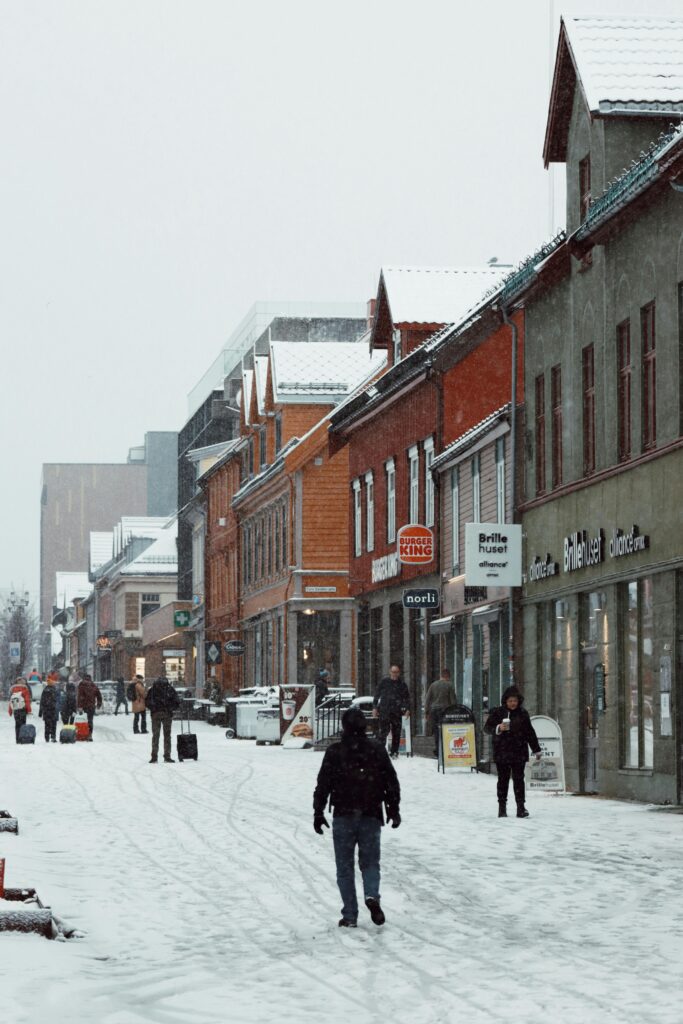
The Bigger Picture: Why This Matters
- Economic diversification: For Norway’s north, tourism offers an alternative to traditional industries like oil and fishing.
- Visitor responsibility: Travellers gain access to stunning natural wonders — but must tread carefully to protect what they came to see.
- Community resilience: Residents must find ways to balance cultural preservation, sustainable development, and income generation.
- Policy direction: Authorities face pressure to ensure that the benefits of tourism are distributed fairly and that environmental and social costs are managed proactively.
Frequently Asked Questions (FAQs)
Q1: Where exactly is “Northern Norway”?
It refers to the country’s Arctic region, including Troms and Finnmark counties — areas north of the Arctic Circle known for extreme natural beauty, seasonal phenomena, and remote communities.
Q2: What’s causing the tourism boom?
Improved international air connections, global fascination with the northern lights and Arctic wilderness, and favorable currency conditions are all major drivers.
Q3: Who benefits most?
Larger cities like Tromsø and well-connected towns see the bulk of tourism revenue, while remote areas often get left behind.
Q4: What are the downsides of this boom?
Environmental strain, rising living costs in tourist zones, overcrowding, and the marginalization of local voices are key concerns.
Q5: How can smaller communities tap into the boom?
By improving transport links, developing locally run tourism products, training residents as guides or operators, and focusing on niche offerings that big hubs may overlook.
Q6: Will the growth continue long term?
Only if managed carefully. Sustainable infrastructure, off-season development, environmental protections, and community participation will be essential.
Q7: What should travellers keep in mind?
Visit responsibly. Choose small local operators, respect Sámi lands and customs, travel off-peak if possible, and leave no trace in fragile environments.
Q8: Can local governments shape tourism better?
Yes. Through targeted investment in underdeveloped areas, regulations to protect nature and culture, and policies that ensure local involvement in tourism planning.
Q9: Are there plans to address overtourism?
Some municipalities are exploring tourist taxes and entry controls for popular sites to help offset infrastructure costs and manage visitor flow.
Q10: Why is Arctic tourism so sensitive?
Because of its reliance on pristine nature, seasonal access, and unique cultural elements — all of which can be easily disrupted or degraded by unmanaged mass tourism.
The tourism surge in Northern Norway represents both opportunity and challenge. While the region stands to gain from global curiosity and natural beauty, its true success will depend on inclusive, sustainable, and community-forward tourism policies. Growth without equity or foresight could turn a boom into a burden — but with the right strategy, the north can thrive as a model for mindful Arctic tourism.
Sources Forbes


Wow amazing blog layout How long have you been blogging for you made blogging look easy The overall look of your web site is magnificent as well as the content