
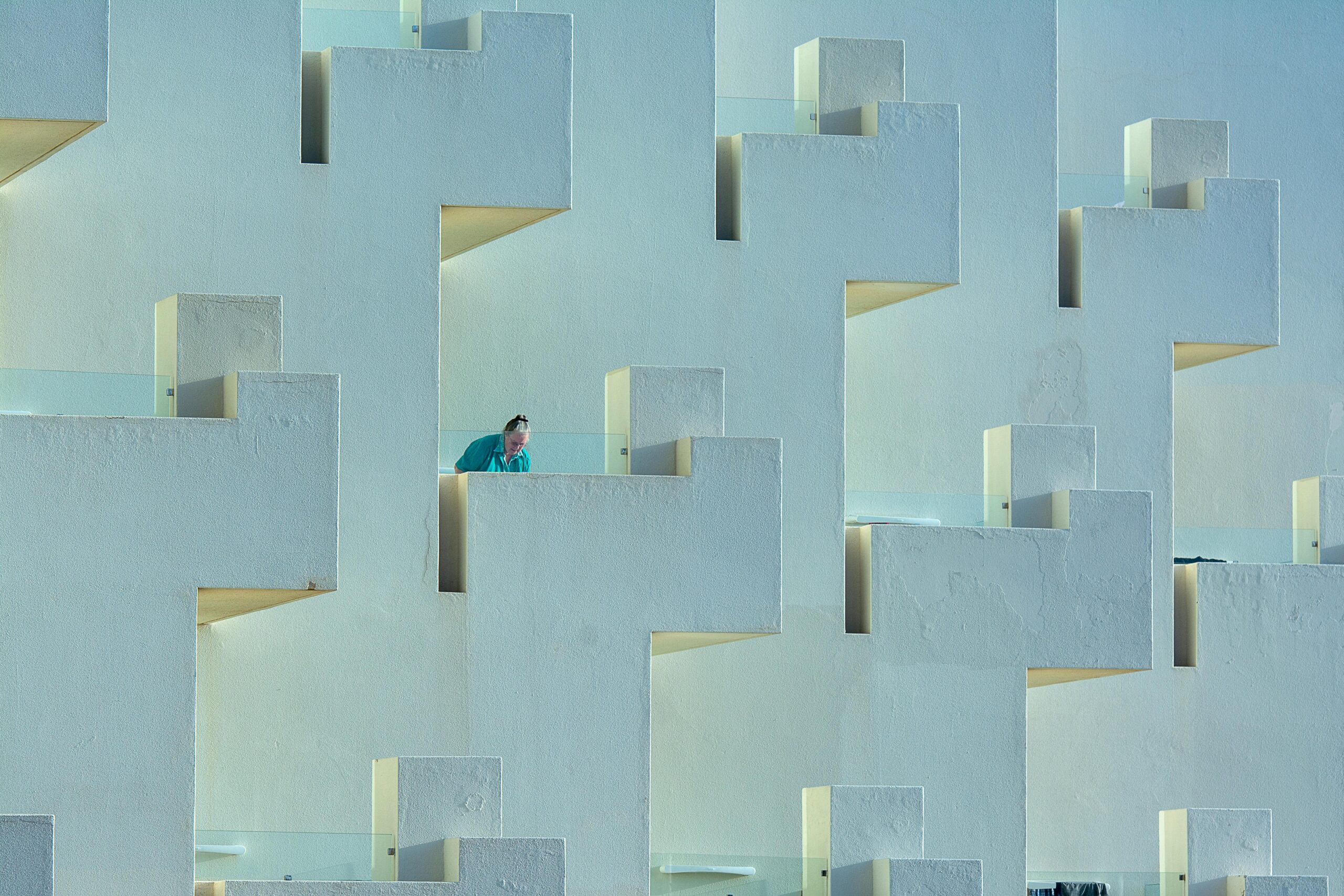
Late on Saturday night (around 1:30 am), two British men—aged 56 and 54—fell approximately 20 feet from a hotel balcony in Costa Teguise. The balcony railing reportedly collapsed under them. The 56‑year‑old man died instantly at the scene; the 54‑year‑old was critically injured and transferred to the ICU of the local hospital.
Spanish civil authorities (the Guardia Civil) have opened an investigation into the structural condition of the balcony and the hotel’s maintenance practices. The name of the hotel has not yet been publicly disclosed and it remains unclear whether the two men were connected or travelling together.
Why This Incident Raises Wider Concerns
Hotel Balcony Safety & Maintenance
- Hotel balconies, railings and guard‑walls are potentially high‑risk areas—especially in older resorts, where corrosion, wear or design shortfalls may exist.
- Structural failures—even partial railing collapses—can lead to falls from considerable height with little margin for survival or serious injury.
- The early‑morning timing (1:30 am) implies reduced lighting/visibility, likely fatigue, and possibly alcohol or drug involvement—factors that can increase risk.
Guest Behaviour and Vulnerability
- Travellers on holiday may be less alert to local safety design standards, may lean over railings, climb onto ledges or misjudge balcony edges.
- Although no evidence in this case suggests reckless behaviour, falls from balconies often involve moments of mis‑adventure, intoxication or mis‑judgement.
- Foreign guests may not be familiar with local building norms, barrier heights or hotel safety signage.
Resort/Hotel Liability, Local Regulation & Investigation
- The investigation into the incident will focus on whether the balcony railing met local safety codes, whether regular maintenance/inspections were carried out, and whether the hotel alerted guests to risks.
- In Spain (including the Canary Islands) tourist‑accommodation falls raise questions of insurance, guest‑liability, and whether the accommodation operator met regulatory duty of care.
- Guests taking out travel insurance may still face exclusions if the fall occurs due to negligent building maintenance or if unsafe behaviour is involved.
Travel Risk & Insurance Implications
- This case highlights that even seemingly quiet, mainstream resort stays can involve serious risk from simple structural failures.
- Travellers should consider: Does your accommodation have good safety standards? Are balconies inspected? Is travel insurance inclusive of falls, structural failures or rescue/transport from island hospitals?
- For holiday‑makers, awareness of small risks (balcony edges, guard‑rails, furniture near railings) is a helpful safety habit.
What We Don’t (Yet) Fully Know—and Why It Matters
- The precise cause of the railing collapse (corrosion, poor fixings, over‑weight load, vandalism) has not yet been released. The distinction matters for potential legal and insurance outcomes.
- Whether alcohol or other factors contributed (such as leaning, climbing or horse‑play) is still being examined. This may affect how guest behaviour is judged in the claim or investigation.
- The hotel’s age, maintenance record, inspection logs, guest‑safety briefing and local building code compliance have not yet been publicly reviewed.
- Whether the second guest (age 54) will recover fully or what long‑term implications the accident will have for him.
- What the implications will be for the local tourism industry in Lanzarote—whether this will prompt regulation changes, hotel safety audits or new guest‑safety briefings.
Practical Take‑Aways for Travellers
- On arriving at your accommodation—especially in older resorts—inspect the balcony area: is the guard‑rail stable? Is there visible corrosion or damage? Are there warning signs?
- Avoid placing furniture near the edge of balconies that might allow leaning or stepping on the rail itself.
- Be mindful of the risk at times when you might be less alert (late at night, after alcohol, low light).
- Check that your travel insurance covers accidental falls, rescue/medevac, hospital‑transportation from remote island hospitals and structural‑failure incidents.
- Choose hotels with good safety reputations, modern refurbishments, visible maintenance standards and guest‑safety briefings.
Frequently Asked Questions (FAQ)
Q: Was this incident caused by intentional behaviour (e.g., jumping)?
No publicly released evidence currently suggests intentional jumping. The investigators are treating it as a structural‑failure event with likely accidental fall.
Q: Do balconies in hotels meet the same safety standards everywhere in Spain?
Standards exist, but older resorts may have different inspection regimes, maintenance levels or refurbishment histories. It’s not guaranteed that all railings are updated to the same modern standard.
Q: If I get hurt from a balcony fall abroad, is my travel insurance enough?
Not always. Coverage depends on the policy—some exclude falls if alcohol is involved or if the accommodation was negligent. It’s wise to check the fine print and consider claims involving structural failure or medical evacuation.
Q: Should I avoid balconies altogether when travelling?
No—but you should use them cautiously: check the structure, avoid leaning on railings, watch behaviour late at night, and restrict children from unsupervised access near the edge.
Q: What can hotels do to improve safety to prevent such incidents?
Hotels can conduct regular structural inspections, refurbish railings, add signage or guest safety briefings, ensure furniture is placed safely away from edges, and ensure sufficient lighting at night.
Final Thought
This tragic accident is a stark reminder that holiday safety extends beyond beach and pool caution—it includes awareness of structural risks and the built environment. While tourists understandably focus on relaxation and enjoyment, a few minutes’ attention to accommodation safety can make a profound difference. As travellers return to the world’s top resort destinations, both guests and accommodation providers share responsibility for the gap between enjoying the view and avoiding the edge.

Sources The Guardian

