
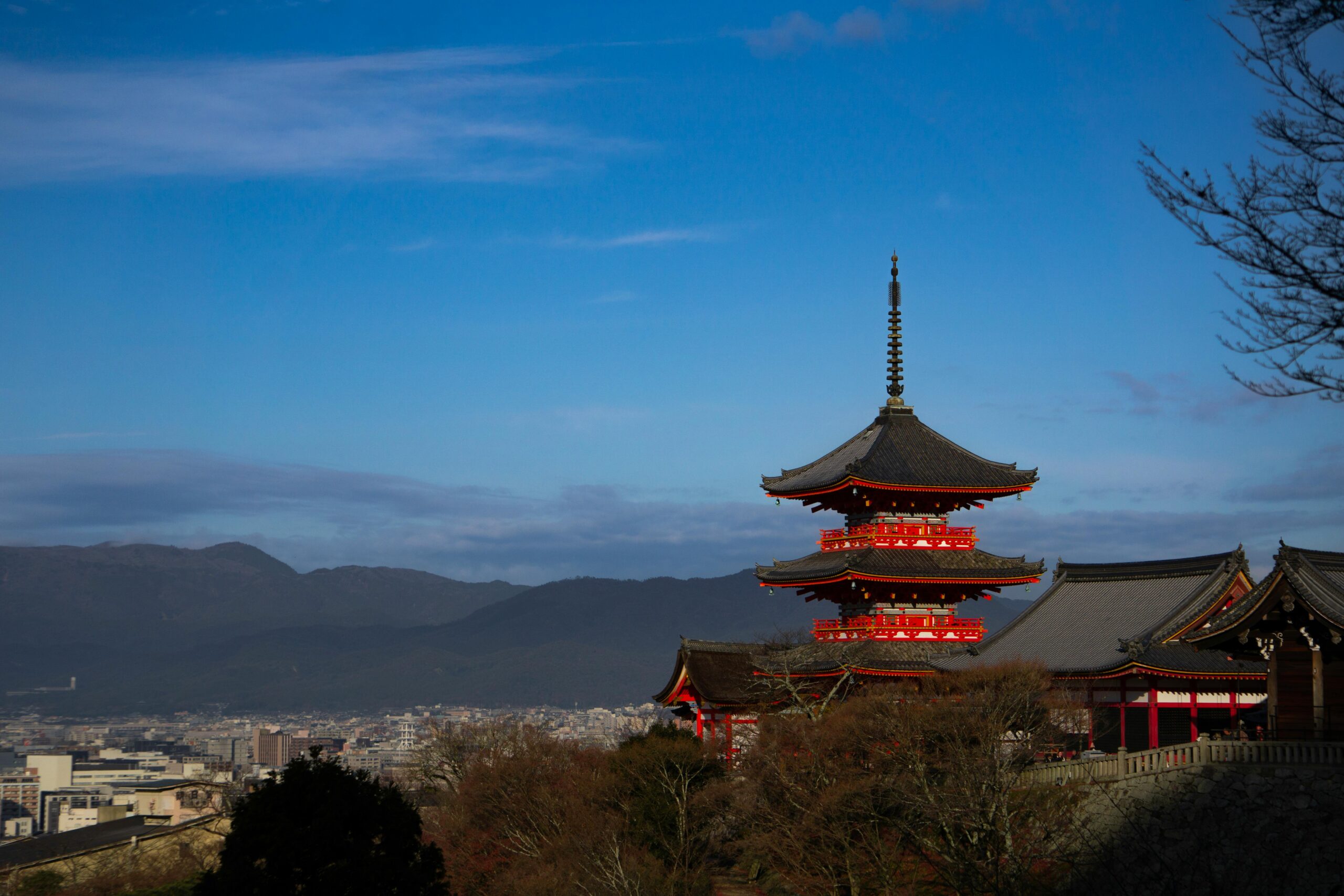
Japan has long been a global travel magnet, with visitors drawn to its blend of centuries-old temples, ultra-modern cities and scenic nature. But now, with record-breaking visitor numbers and heavy concentration in popular spots, the country faces a new challenge: managing tourism growth so it benefits everyone—residents, regions and visitors.
Recently, Japan’s newly appointed tourism minister described the “concentration of tourists in certain areas” as “very serious” — signalling a strategic shift in how the country plans to travel. Below is a deeper look at what’s happening, what’s at stake, and what it means for travellers and local communities alike.
What’s Driving the Alert
Record Numbers, Narrow Geography
Japan welcomed nearly 37 million international visitors in 2024, marking a post-pandemic rebound and setting new records.
However, recent data show that about 70–75% of overnight stays remain concentrated in just five prefectures: Tokyo, Osaka, Kyoto, Hokkaidō and Fukuoka.
Those destination imbalances are placing real stresses on infrastructure, neighbourhoods and visitor experience.
Key Warning Signs
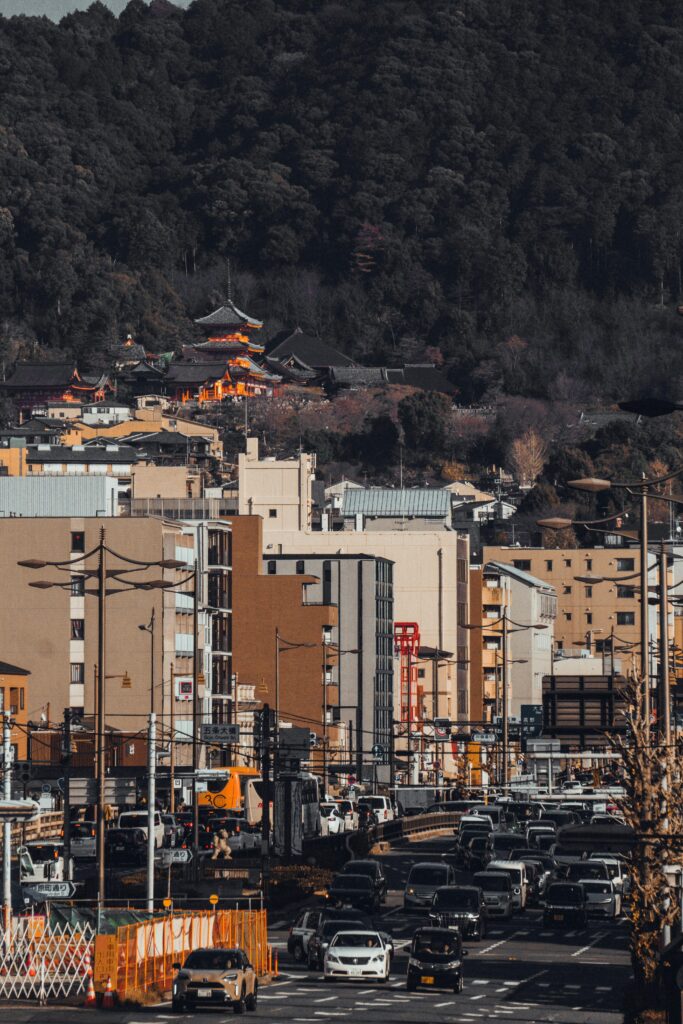
- Historic districts in Kyoto are overloaded, with litter, damage to heritage sites and resident complaints.
- Smaller rural or regional destinations struggle because they receive a much smaller share of visitors — limiting economic benefits outside the major hubs.
- Service-industry labour shortages and an aging population make it harder for destinations to respond flexibly to peaks in demand.
- Rapid visits (one-, two-day stays) are less sustainable in terms of spend per visitor and pressure on local systems.
What the Tourism Minister Wants to Address
The minister’s remarks reflect multiple policy objectives:
- Spread visitors more evenly across regions rather than have everyone rush to the “Golden Route”.
- Improve living conditions for residents, reducing the downside of tourism (noise, congestion, rising rents) and preserving local culture.
- Raise the value of each tourist visit, not just count numbers—longer stays, deeper engagement, higher spend.
- Introduce structural changes, not just promotional campaigns, including infrastructure investment, regulatory tools and tourism-management systems.
What’s Already in the Pipeline — and What Needs More Focus
Japan has already taken several steps:
- A dedicated “control tower” agency to manage overtourism, visitor behaviour and destination diversification.
- National strategy documents emphasising regional tourism, “manner” education for visitors, and tourism diffusion beyond major hubs.
- Local measures such as accommodation taxes, use-limits and dual-pricing for visitors vs. residents are being discussed in some prefectures.
However, the minister’s comments point to several gaps requiring more attention:
- Data transparency: More granular tracking of visitor flows, service load and regional impact is needed.
- Implementation capacity: Regional destinations may need more funding, staff and infrastructure to absorb redirected tourists.
- Visitor behaviour and culture: Initiatives to promote respectful tourism (especially in sacred or residential spaces) need to scale.
- Balancing growth with sustainability: The government still targets very high visitor numbers (60 million by 2030) even while managing overtourism—this tension must be carefully resolved.
- Labour and service constraints: If regions invite more tourists without enough hospitality workforce, service quality may decline, damaging long-term appeal.
Implications for Travellers & Local Communities
For travellers:
- Expect more variation in destinations. If major spots become more regulated or priced, exploring lesser-known regions may offer better value and experience.
- Be prepared for changes: new visitor rules, premium charges, limits at certain sites.
- Travel sustainably: respect local norms (especially in residential or heritage areas), travel off-peak, and consider longer stays rather than quick stops.
For local communities and regions:
- Opportunity: If large influxes in Tokyo/Kyoto are controlled, regional areas can capture a larger share of tourism spending.
- Risk: Redirected tourists may still overload smaller towns if infrastructure and service aren’t upgraded.
- Residents will expect tourism to deliver benefits (jobs, income) while reducing costs (crowding, wear on infrastructure). Managing that balance is key.
Frequently Asked Questions (FAQ)
Q: Why is the minister emphasising “concentration” rather than raw visitor numbers?
Because while tourist numbers are high, they are heavily concentrated in a few locations. That means infrastructure and communities in those spots face much higher pressure compared to regions that receive far fewer tourists. The goal is better distribution.
Q: Could Japan reduce its tourism target to avoid overtourism?
Although some voices argue for reducing targets, the government is still committed to a high target (60 million visitors by 2030). The shift is more about how people come and where they go, rather than simply reducing numbers.
Q: Will visitors pay more or face restrictions?
Yes, some plans are already in place: accommodation levies, dual-pricing at attractions, and taxes targeted at high-traffic sites. These changes could roll out in 2025–26.
Q: Does this mean the “must-see” places like Kyoto or Mount Fuji become less accessible?
Not necessarily inaccessible—but visitors may see more regulation, extra fees, limits on peak times or increased encouragement to explore alternative destinations. Early planning and off-peak travel may become more attractive.
Q: How should travellers adjust their planning?
Consider staying longer in fewer places, explore lesser-known towns or islands, travel outside the busiest periods, and factor in behavior expectations (respect for local culture, managing waste, following rules).
Q: Will regional areas benefit?
That is a key objective. Redirecting tourist flows and investment to regional areas can spread economic benefits. But success depends on infrastructure, hospitality capacity and regional marketing efforts.
Final Thought
Japan’s tourism model is at a turning point. The era of “arrive in Tokyo/Kyoto/Osaka, see the highlights, move on” is being challenged by the realisation that sustainable tourism must equal equitable tourism—one that benefits more places and protects more communities.
For travellers, this means the experience of Japan may deepen and diversify. For locals, it means tourism must deliver value without undermining daily life. And for the country as a whole, it means steering one of its biggest growth sectors with both ambition and care.
Sources The Japan Times

