
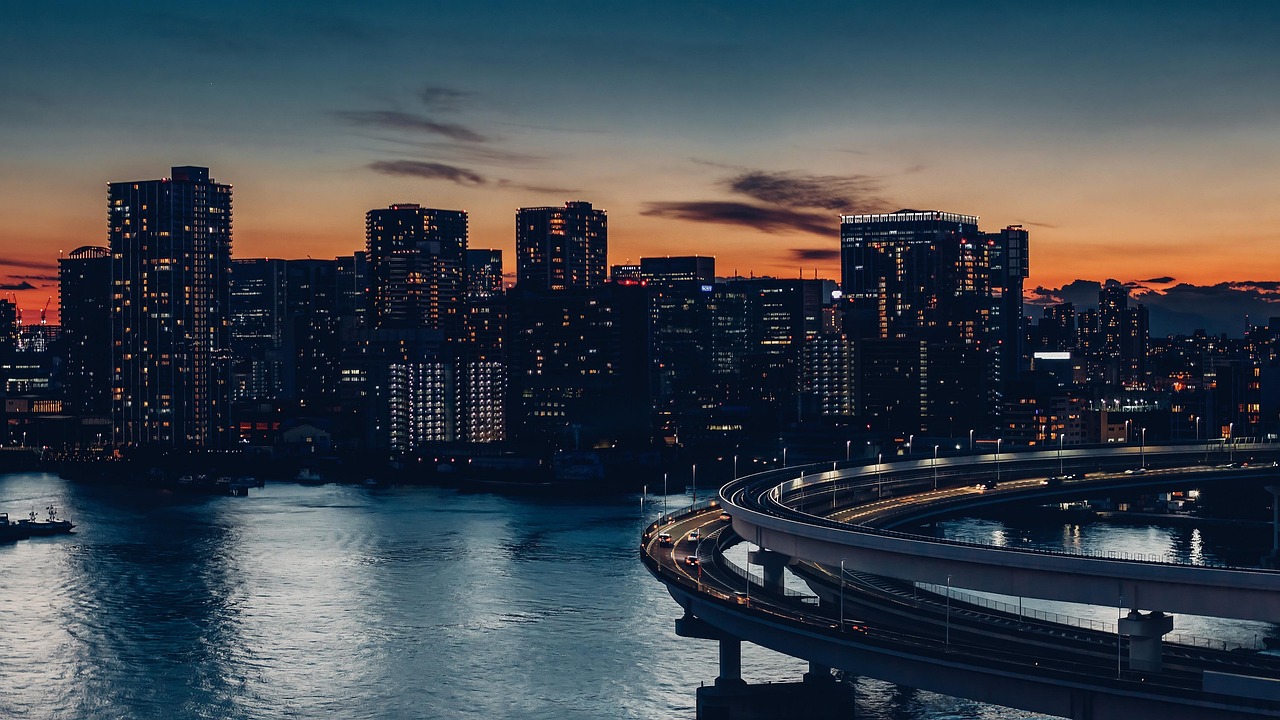
Japan’s tourism boom has brought record-breaking visitor numbers, revitalized local economies, and global attention to its cultural and natural attractions. But beneath this success lies a growing and often overlooked challenge: water scarcity.
In several popular tourist, water shortages are beginning to strain infrastructure, disrupt daily life, and raise urgent questions about sustainability. As climate pressures intensify and visitor numbers rise, Japan is confronting a delicate balance between welcoming the world and preserving essential resources.
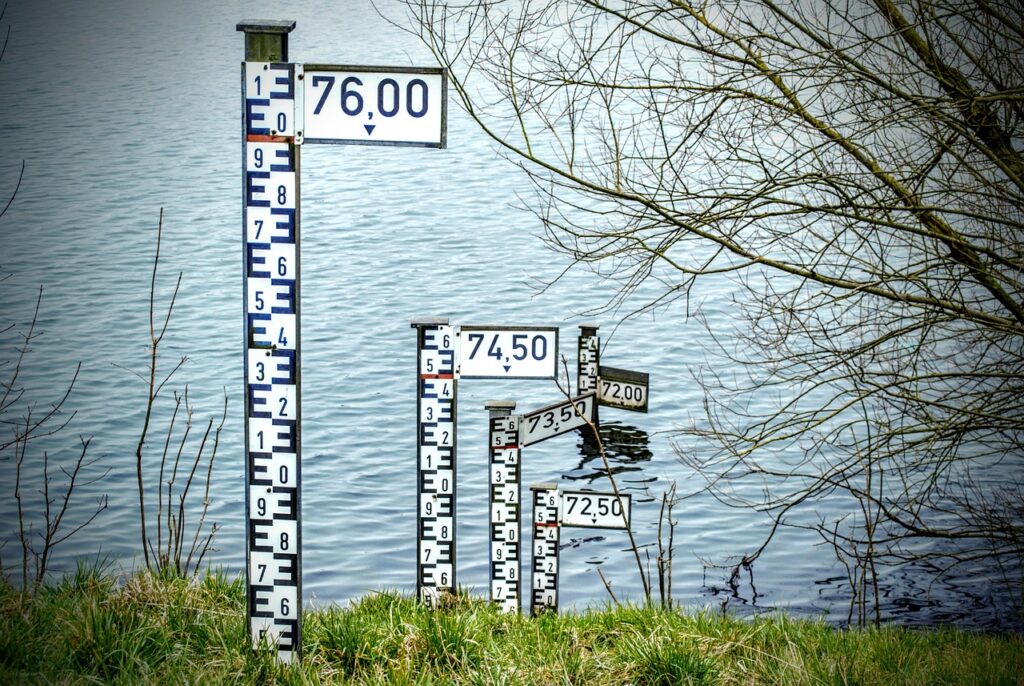
The Hidden Cost of Tourism Growth
Japan has experienced a surge in international tourism in recent years, driven by:
- Relaxed visa policies
- A weak yen attracting foreign visitors
- Global interest in Japanese culture, food, and landscapes
While this growth has boosted local economies, it has also increased demand for essential resources—especially water.
Tourists consume water through:
- Hotels and accommodations
- Restaurants and food services
- Public facilities and attractions
- High-water-use amenities like hot springs (onsen)
In areas already facing limited supply, this added demand can push systems to their limits.
Why Water Shortages Are Emerging
Water scarcity in Japan’s tourist is not caused by a single factor, but a combination of pressures:
1. Climate Change
Changing weather patterns are affecting rainfall distribution.
- Longer dry spells reduce water availability
- Unpredictable precipitation disrupts planning
- Rising temperatures increase water consumption
Even regions traditionally known for abundant water are experiencing shifts.
2. Seasonal Tourism Peaks
Tourism demand is highly concentrated in certain seasons:
- Cherry blossom (sakura) season
- Summer holidays
- Autumn foliage periods
During these times, local populations can temporarily double or triple, placing sudden stress on water systems.
3. Aging Infrastructure
Some rely on older water systems that were not designed for modern volumes.
Challenges include:
- Limited storage capacity
- Inefficient networks
- Difficulty scaling supply quickly
Upgrading infrastructure requires time, investment, and careful planning.
4. Geographic Limitations
Many popular destinations are in remote or mountainous areas where water supply is naturally constrained.
Examples include:
- Historic towns
- Island destinations
- Rural cultural sites
These areas often lack large-scale water.
Impact on Local Communities
Water shortages affect more than just tourists—they directly impact residents.
Consequences include:
- Restrictions on water use
- Pressure on daily routines
- Increased costs for utilities and services
In some cases, local communities must prioritize essential needs over tourism, creating tension between economic benefits and quality of life.
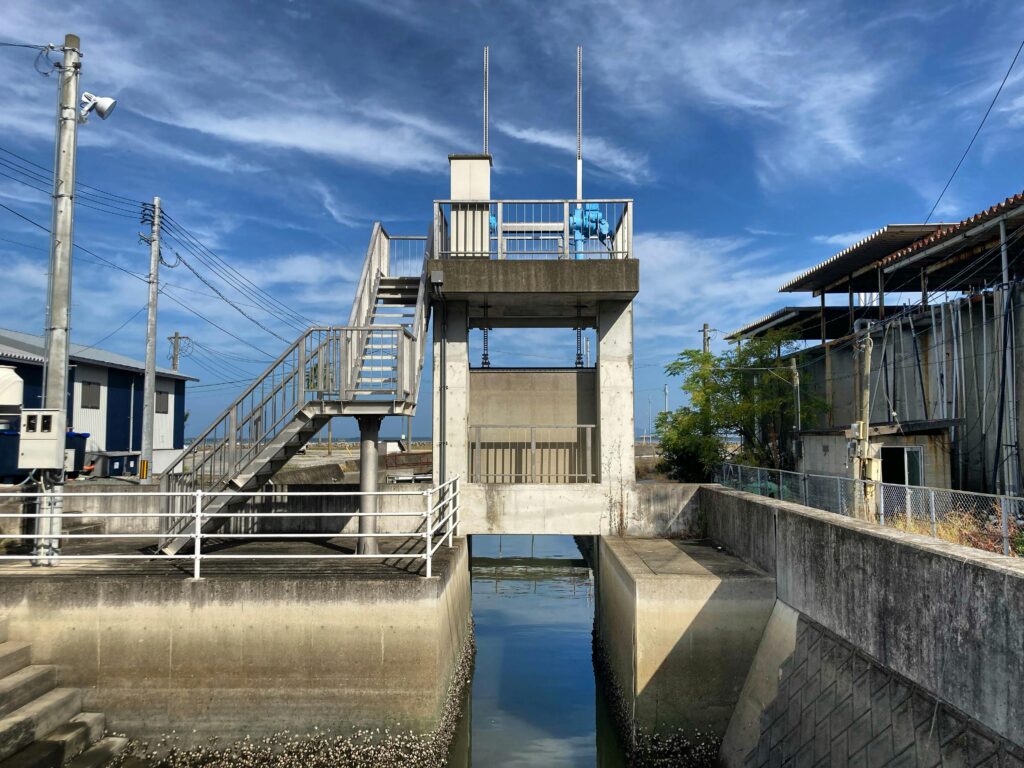
The Tourism Industry’s Response
Recognizing the growing challenge, local governments and businesses are taking action.
Water Conservation Measures
- Encouraging shorter showers in hotels
- Reusing towels and linens
- Installing water-efficient fixtures
Visitor Management
- Limiting visitor numbers in sensitive areas
- Promoting off-peak travel
- Redirecting tourists to less crowded destinations
Infrastructure Investment
- Upgrading systems
- Expanding storage and capacity
- Exploring alternative water sources
These steps aim to reduce strain while maintaining visitor experience.
The Role of Onsen Culture
Japan’s famous hot springs (onsen) are a major attraction—but they are also water-intensive.
Managing onsen sustainably requires:
- Monitoring water usage
- Recycling and filtering systems
- Balancing tradition with modern conservation practices
Protecting this cultural asset while conserving resources is a key challenge.
A Broader Sustainability Issue
Japan’s situation reflects a global trend: tourism is increasingly intersecting with environmental limits.
Similar challenges are seen in:
- Water shortages in Mediterranean destinations
- Overuse of natural resources in island
- Climate-related pressures in mountain regions
The lesson is clear: tourism growth must be aligned with environmental capacity.
Rethinking Sustainable Tourism
Addressing water shortages requires a shift in how tourism is managed.
Key strategies include:
- Integrating sustainability into tourism planning
- Educating visitors about resource use
- Encouraging responsible travel behavior
- Balancing economic goals with environmental protection
Sustainability is no longer optional—it is essential for long-term viability.
What Travelers Can Do
Visitors play an important role in reducing impact.
Simple actions include:
- Conserving water in accommodations
- Following local guidelines and restrictions
- Supporting eco-friendly businesses
- Traveling during off-peak periods
Responsible tourism starts with awareness and small, consistent choices.
Looking Ahead
Japan’s water challenges are not insurmountable, but they require proactive management.
The future of tourism in the country will depend on:
- Adapting to climate realities
- Investing in resilient infrastructure
- Balancing visitor numbers with resource availability
If managed carefully, Japan can continue to welcome millions of visitors—without compromising that make those visits possible.
Frequently Asked Questions (FAQs)
1. Why are water shortages affecting tourist areas in Japan?
Due to a combination of climate change, increased tourism demand, and infrastructure limitations.
2. Which areas are most affected?
Remote, rural, and high-traffic tourist destinations are particularly vulnerable.
3. How does tourism contribute to water shortages?
Through increased consumption in hotels, restaurants, and attractions.
4. Are restrictions being placed on tourists?
In some areas, water use guidelines and conservation measures are encouraged or enforced.
5. What is being done to address the issue?
Efforts include infrastructure upgrades, conservation campaigns, and visitor management strategies.
6. Can tourists still visit affected areas?
Yes, but they are encouraged to travel responsibly and follow local guidelines.
7. How does climate change play a role?
It affects rainfall patterns and increases demand for water due to higher temperatures.
8. What can travelers do to help?
Use water responsibly, respect local rules, and support sustainable tourism practices.
Japan’s tourism success story is now entering a new phase—one where growth must be balanced with responsibility. Water, often taken for granted, is becoming a defining factor in how destinations manage their future.
In the end, preserving the beauty and culture that attract visitors may depend on something as simple—and as vital—as how we use water.
Sources The Japan Times

