
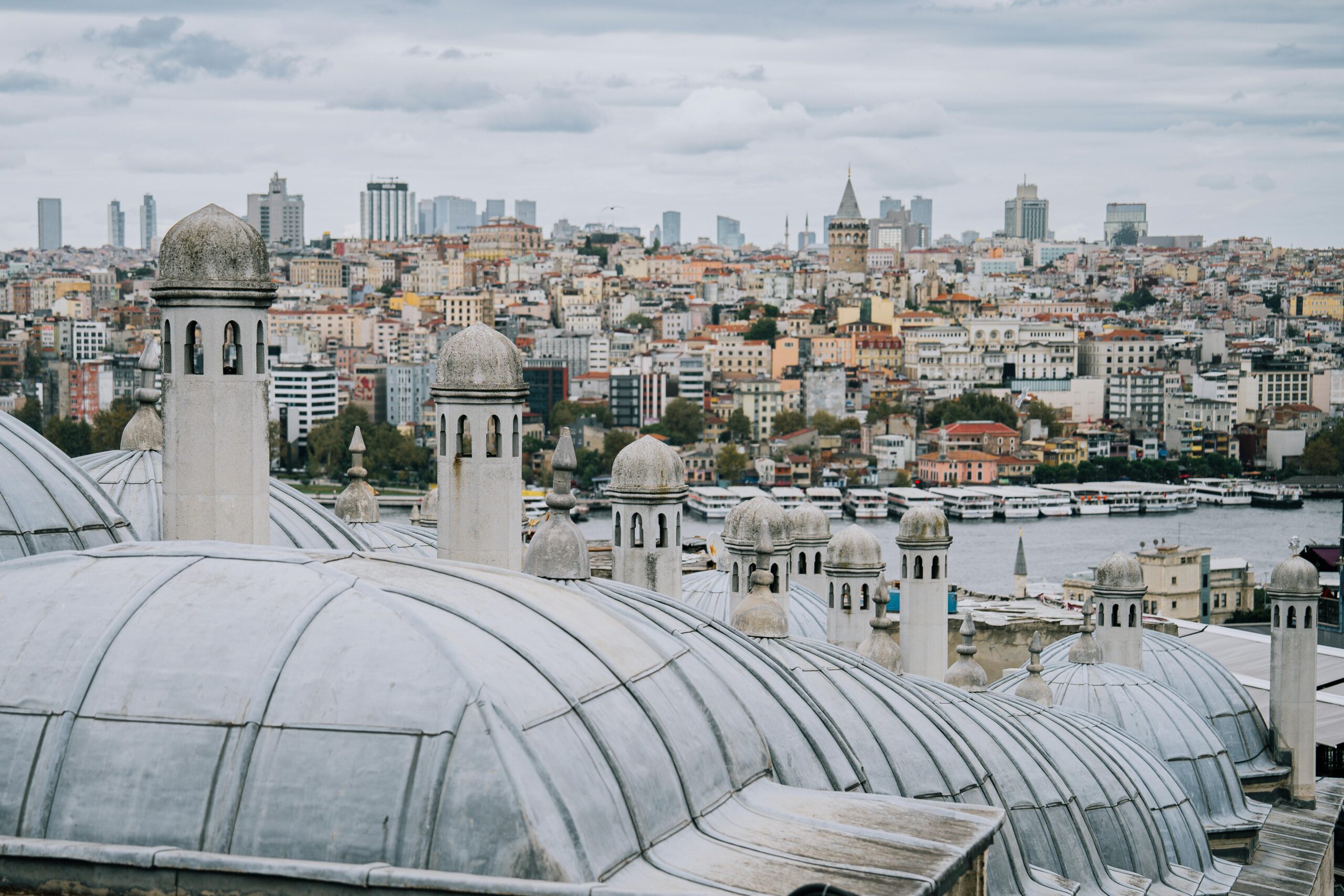
Turkey’s tourism industry has entered 2026 with cautious optimism. Early-year data points to solid growth, signaling continued recovery and resilience in one of the world’s most dynamic travel markets. Yet, as the season approaches, geopolitical tensions in the Middle East—particularly involving Iran—are casting uncertainty over what is typically Turkey’s most profitable period.
This contrast between a strong first quarter and a potentially challenging second quarter highlights a broader reality: tourism today is deeply intertwined with global, and even well-established destinations are not immune to external shocks.
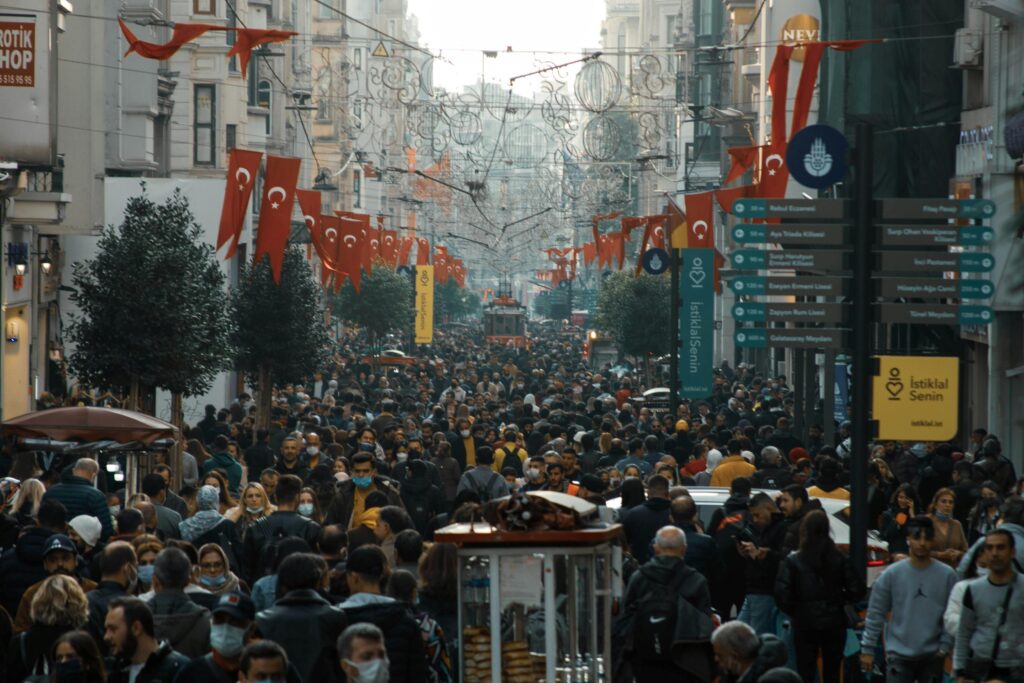
A Strong First Quarter: Momentum Builds
Turkey’s tourism sector began the year on a positive note, with improvements in key indicators such as:
- International arrivals
- Tourism revenue
- Hotel occupancy rates
Winter tourism, especially in cities like Istanbul and cultural destinations across Anatolia, contributed to early gains, Turkey’s competitive pricing, diverse offerings, and improved infrastructure continued to attract travelers from Europe, Russia, and the Middle East.
Several factors fueled this growth:
Currency Advantage
A relatively weaker Turkish lira made the country an affordable destination for foreign tourists.
Diverse Tourism Portfolio
From beach resorts and historical landmarks to medical and wellness tourism, Turkey offers year-round appeal.
Air Connectivity
Strong airline networks, including Turkish Airlines’ global reach, made travel more accessible.
Clouds on the Horizon: Q2 Challenges
Despite the positive start, the outlook for the second quarter—particularly the crucial summer season—is more uncertain.
The primary concern is regional instability linked to escalating tensions involving Iran. While Turkey itself remains outside direct conflict zones, proximity matters in tourism.
Potential impacts include:
- Hesitation among international travelers
- Increased travel insurance costs
- Flight disruptions or rerouting
- Negative media coverage affecting perception
Even if Turkey remains safe, the broader regional narrative can influence traveler decisions.
The Power of Perception in Tourism
Tourism is uniquely sensitive to perception. Travelers often make decisions based on how safe a destination feels, not just objective conditions.
Key influences include:
- News coverage of regional conflicts
- Government travel advisories
- Social media discussions
- Airline and tour operator messaging
For Turkey, managing perception is just as important as managing.
Key Markets at Risk—and Opportunity
Turkey draws visitors from a wide range of markets, each responding differently to geopolitical developments.
European Tourists
Typically a major segment, European travelers may become more cautious during periods of regional tension.
Russian Visitors
Russia remains a critical market, often less sensitive to geopolitical narratives affecting Western travelers.
Middle Eastern Tourists
Regional instability can both deter and redirect travel depending on.
Emerging Markets
Countries in Asia and other regions represent growth opportunities, especially if Turkey can position itself as a stable alternative.
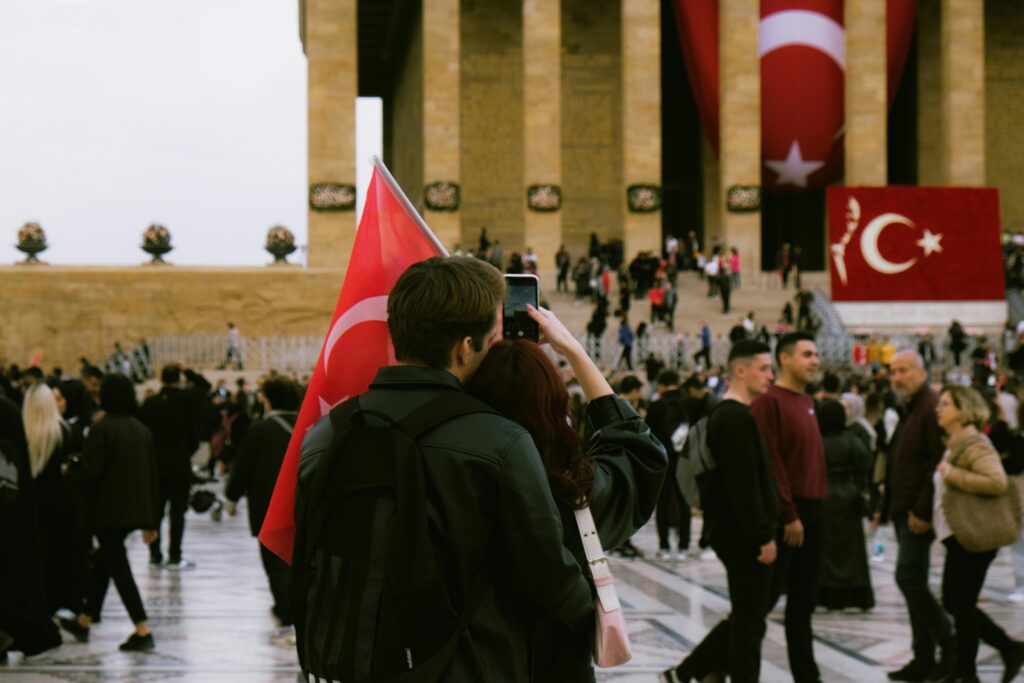
Industry Response: Adapting to Uncertainty
Turkey’s tourism sector is no stranger to volatility and has developed strategies to adapt.
Flexible Booking Policies
Hotels and airlines are offering more flexible cancellation options to reassure travelers.
Targeted Marketing Campaigns
Efforts are underway to emphasize safety, value, and unique experiences.
Diversification of Destinations
Promoting inland and less crowded regions can help distribute tourism and reduce perceived risk.
Strengthening Domestic Tourism
Encouraging local travel helps offset fluctuations in international arrivals.
Economic Stakes: More Than Just Travel
Tourism is a cornerstone of Turkey’s economy, contributing significantly to:
- GDP growth
- Employment
- Foreign currency earnings
A slowdown in the summer season could have ripple effects across sectors, from hospitality and retail and entertainment.
At the same time, a strong performance despite challenges would reinforce Turkey’s reputation as a resilient destination.
Long-Term Trends Shaping Turkey’s Tourism
Beyond immediate challenges, several long-term trends are influencing the industry:
Experience-Driven Travel
Visitors are seeking cultural immersion, culinary experiences, and authentic local interactions.
Sustainable Tourism
There is growing emphasis on экологически responsible travel and preservation of historical sites.
Digital Transformation
Online booking platforms, mobile apps, and AI-driven recommendations are reshaping how travelers plan trips.
Health and Wellness Tourism
Turkey is expanding its offerings in medical and wellness tourism, attracting a global clientele.
Can Turkey Maintain Its Momentum?
The key question is whether Turkey can sustain its early-year momentum through a volatile summer.
Success will depend on:
- Effective communication about safety
- Maintaining competitive pricing
- Leveraging diverse tourism offerings
- Rapid response to changing conditions
If managed well, Turkey could not only weather the challenges but emerge stronger, reinforcing its position as a global tourism powerhouse.
Frequently Asked Questions (FAQs)
1. Why did Turkey’s tourism perform well in Q1 2026?
Due to strong demand, competitive pricing, and diverse tourism offerings attracting international visitors.
2. What is causing concern for Q2?
Regional geopolitical tensions, particularly involving Iran, which may affect traveler confidence.
3. Is Turkey safe for tourists?
Turkey remains a popular destination, but perceptions of regional instability can influence decisions.
4. Which tourists are most likely to be affected?
European travelers may be more cautious, while other markets like Russia may remain steady.
5. How is the tourism industry responding?
Through flexible booking policies, targeted marketing, and diversification of destinations.
6. What role does tourism play in Turkey’s economy?
It is a major contributor to GDP, employment, and foreign currency income.
7. Could prices change بسبب uncertainty?
Yes, discounts and promotions may be used to attract visitors during uncertain periods.
8. What is the long-term outlook for Turkey tourism?
Positive, with continued growth expected, but subject to global and regional conditions.
Turkey’s tourism story in 2026 is one of contrasts: strong momentum meeting geopolitical uncertainty. In an industry where perception can shift as quickly as headlines, the coming months will test not only Turkey’s appeal—but its adaptability.
Sources Reuters


Great article, i really enjoy reading it, i hope you post more, keep up the good wok , is gona come follow you for more , nice reading it.