
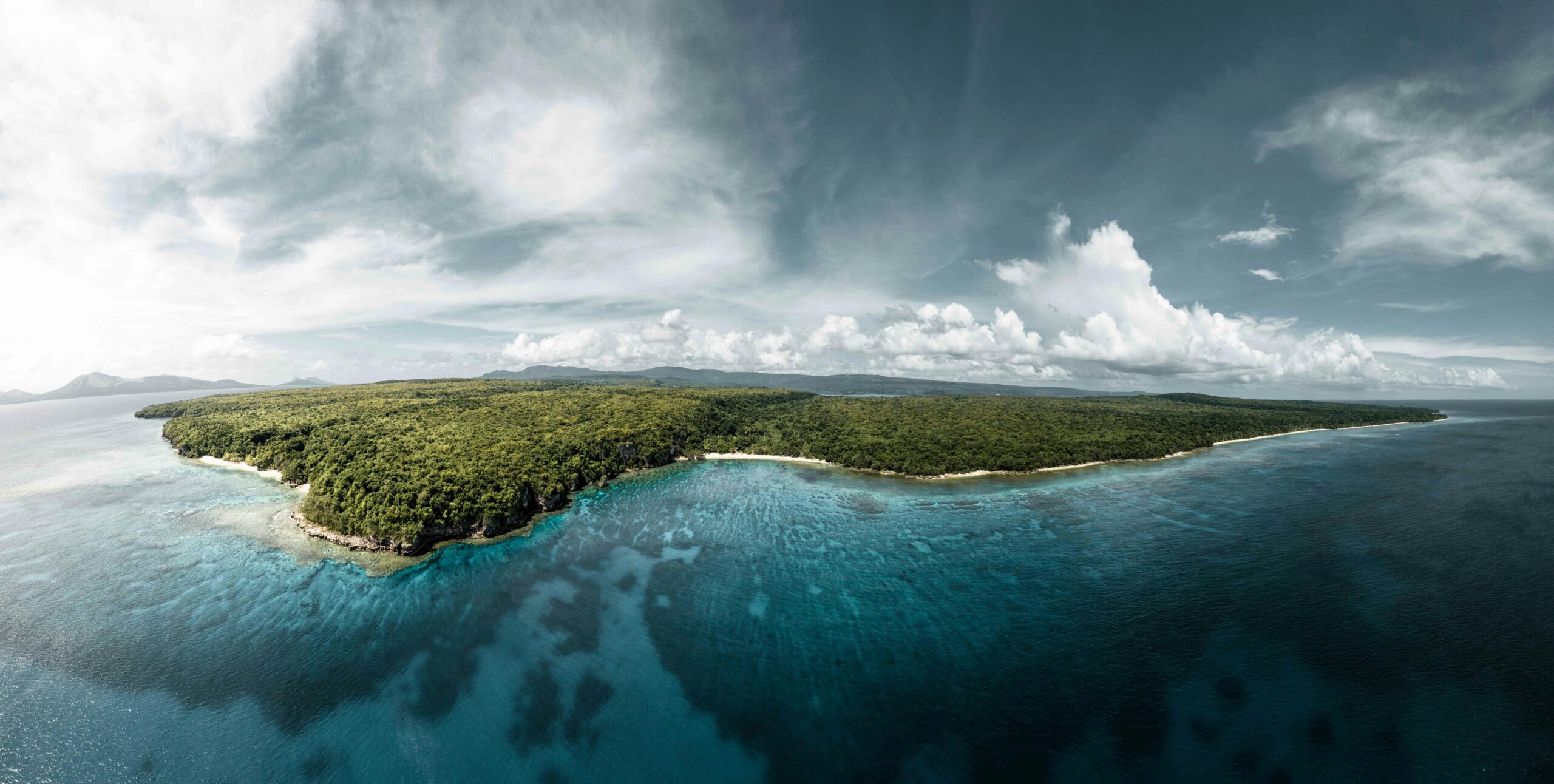
In the South Pacific, where fragile ecosystems meet rich Indigenous cultures, tourism is no longer just an economic activity — it is a governance challenge, an environmental balancing act, and a test of cultural survival.
Vanuatu has emerged as one of the most closely watched examples of how a small island nation can attempt to reshape tourism around sustainability rather than mass exploitation. Its approach is increasingly cited as a blueprint for the region, not because it is perfect, but because it is deliberately trying to redesign the rules of tourism itself.
This shift is not just about attracting visitors.
It is about deciding what kind of future tourism should build.
A Nation Built on Islands — and Limits
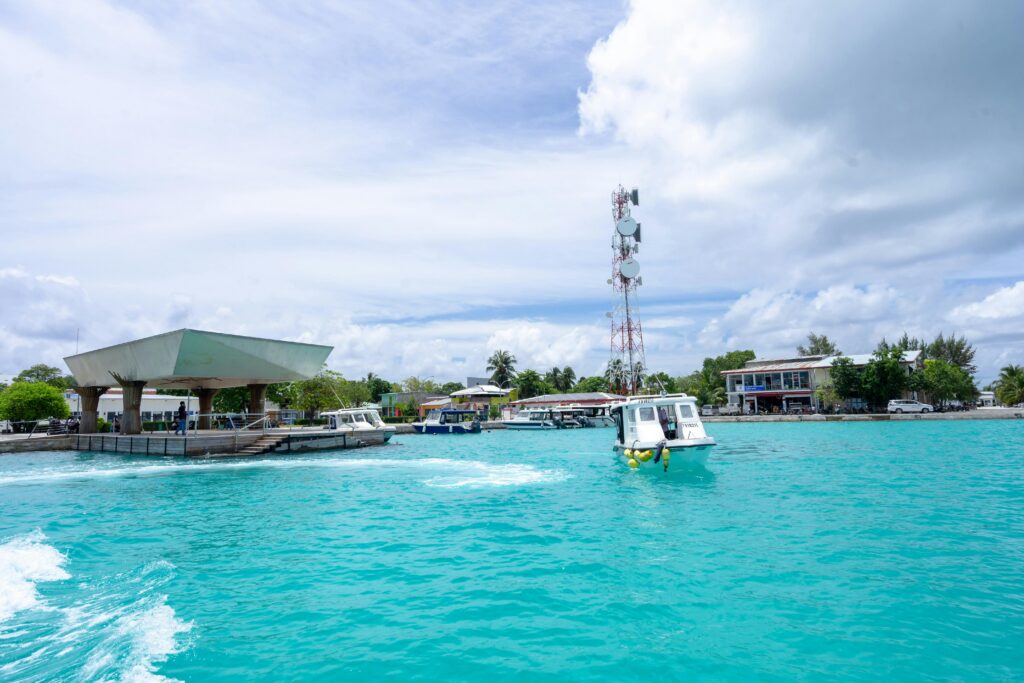
Vanuatu’s geography defines its tourism strategy. As an archipelago of volcanic islands, coral reefs, and remote communities, its natural environment is both its greatest asset and its greatest vulnerability.
Unlike large continental destinations, Vanuatu cannot simply “scale up” tourism without consequences. Every increase in visitor numbers directly affects:
- Coral reef ecosystems
- Freshwater availability
- Waste management systems
- Local community capacity
- Cultural integrity of small villages
This physical constraint is one reason sustainability is not optional — it is structural.
The Core Strategy: “High Value, Low Impact” Tourism
Vanuatu’s national tourism policy is built around a simple but powerful idea: attract fewer tourists, but with higher cultural and economic value.
Instead of competing for mass tourism volume, the country emphasizes:
- Longer stays instead of short visits
- Community-based tourism instead of large resorts
- Environmental responsibility as a market identity
- Cultural immersion over entertainment consumption
This aligns with broader Pacific regional efforts to redefine tourism as a tool for resilience rather than overgrowth.
Community-Based Tourism: The Island Bungalow Model
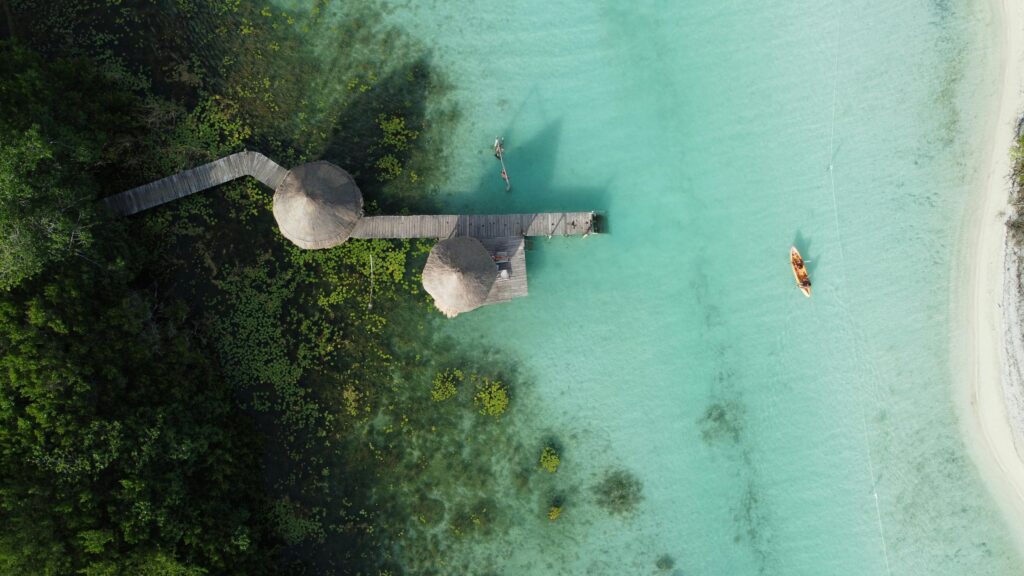
One of Vanuatu’s most distinctive innovations is its community-run accommodation model, often in the form of island bungalows.
These are typically:
- Locally owned and operated
- Built with natural or locally sourced materials
- Powered by solar or low-impact energy systems
- Integrated into village life rather than separated from it
This structure ensures that tourism revenue:
- Stays within local communities
- Supports rural livelihoods
- Reduces dependence on external corporations
It also reshapes the visitor experience itself — tourists are not isolated in resorts, but embedded in everyday island life.
Cultural Protection Through “Kastom” Tourism
Vanuatu’s tourism identity is deeply tied to kastom — traditional cultural practices, ceremonies, and community structures.
Rather than treating culture as a performance for visitors, the system attempts to:
- Support cultural festivals as living traditions
- Share knowledge through community-led experiences
- Prevent commodification of sacred practices
- Ensure local control over representation
Events such as land diving ceremonies and regional festivals are not staged spectacles — they are culturally rooted practices that tourism is invited to witness respectfully.
This is a key distinction in sustainable tourism debates: participation versus consumption.
Marine Protection: Tourism Meets Conservation
As a Pacific island nation, Vanuatu’s ocean ecosystems are central to both its economy and identity.
Sustainable tourism initiatives include:
- Coral restoration programs
- Marine protected areas
- Regulated diving and snorkeling zones
- Community-led conservation projects
- Visitor participation in reef protection activities
These initiatives aim to shift tourism from passive enjoyment of nature to active environmental stewardship.
In some areas, visitors can even participate in coral planting, turning tourism into a direct conservation tool rather than a pressure factor.
Managing Cruise Tourism: Controlled Access vs Mass Arrival
Cruise tourism represents one of the biggest tensions in Vanuatu’s sustainability model.
While cruise ships bring revenue, they also introduce:
- Large short-term visitor surges
- Environmental pressure on small islands
- Limited economic retention in local communities
- Waste and infrastructure strain
To manage this, Vanuatu uses controlled entry systems such as designated tourism zones and regulated visitor pathways on sensitive islands.
This reflects a broader global trend: small island states are increasingly experimenting with limiting rather than expanding cruise tourism access.
Plastic Reduction and Environmental Policy as Tourism Branding
Vanuatu has also positioned environmental policy itself as part of its tourism identity.
Key initiatives include:
- Reducing or eliminating single-use plastics in tourism areas
- Promoting reusable water systems in resorts and communities
- Encouraging eco-certified hospitality practices
- Partnering with local businesses on waste reduction
This is important strategically: sustainability is not treated as background policy, but as part of the destination’s brand value.
In other words, environmental protection is also economic positioning.
The Governance Layer: Regional Leadership and Policy Frameworks
Vanuatu is not acting alone. It participates in broader Pacific regional frameworks that aim to standardize sustainable tourism principles across island nations.
These frameworks emphasize:
- Environmental protection
- Cultural preservation
- Community benefit sharing
- Climate resilience
- Responsible tourism development
The key shift here is governance-based sustainability — meaning tourism is being shaped through policy coordination, not just market forces.
The Central Tension: Development vs Preservation
Despite its leadership role, Vanuatu faces a contradiction shared by many small island destinations:
Tourism is both:
- A vital source of income
- A structural risk to ecosystems and culture
This creates ongoing tension between:
- Economic development needs
- Environmental limits
- Cultural autonomy
- External investor influence
Even sustainable tourism models cannot fully eliminate this tension — they can only manage it.
A Regional Warning Signal: Cruise Expansion Pressure
Recent debates across the Pacific highlight this fragility. Large-scale cruise developments have sparked concerns about environmental impact, cultural disruption, and consultation gaps with Indigenous landowners.
These conflicts underline a core truth:
Sustainability is not just ecological — it is political.
Who decides how land and sea are used ultimately determines whether tourism is regenerative or extractive.
Why Vanuatu Matters in the Global Tourism Debate
Vanuatu is increasingly seen as a living laboratory for sustainable tourism because it demonstrates:
- Small destinations can reject mass tourism logic
- Cultural systems can be central, not secondary
- Environmental protection can define national branding
- Local ownership models can be scaled
- Policy frameworks can shape visitor behavior
It is not a perfect model, but it is an intentional one — and that alone makes it significant.
The Bigger Question: Can Tourism Ever Be Fully Sustainable?
Vanuatu’s experience raises a difficult global question:
Can tourism truly be sustainable, or is it always a controlled form of environmental and cultural consumption?
The South Pacific answer seems pragmatic rather than idealistic:
Sustainability is not a destination — it is a constant negotiation between limits, livelihoods, and identity.
Frequently Asked Questions (FAQ)
1. Why is Vanuatu considered a leader in sustainable tourism?
Because it integrates environmental protection, cultural preservation, and community-based tourism into national policy and practice.
2. What is “high value, low impact” tourism?
A strategy that prioritizes fewer visitors who stay longer, spend more locally, and have a smaller environmental footprint.
3. How does Vanuatu protect its environment through tourism?
Through coral restoration, marine protected areas, plastic reduction policies, and controlled tourism access in sensitive zones.
4. What role do local communities play in tourism?
Communities often own and operate accommodations, guide services, and cultural experiences, keeping revenue local.
5. What is kastom tourism?
Tourism experiences based on traditional cultural practices, managed and shared by local communities rather than commercial operators.
6. What are the challenges facing sustainable tourism in Vanuatu?
Key challenges include cruise tourism pressure, environmental vulnerability, infrastructure limits, and balancing economic needs with conservation.
7. Can Vanuatu’s model be replicated elsewhere?
Partially. The principles can be adapted, but success depends heavily on local governance, geography, and community control.
Final Thought
Vanuatu’s tourism strategy is not about perfection — it is about restraint.
In a global industry often driven by expansion, speed, and scale, it represents a different philosophy:
That the most valuable destination is not the one that welcomes the most visitors, but the one that knows exactly how many it can sustain without losing itself.
Sources Forbes

