
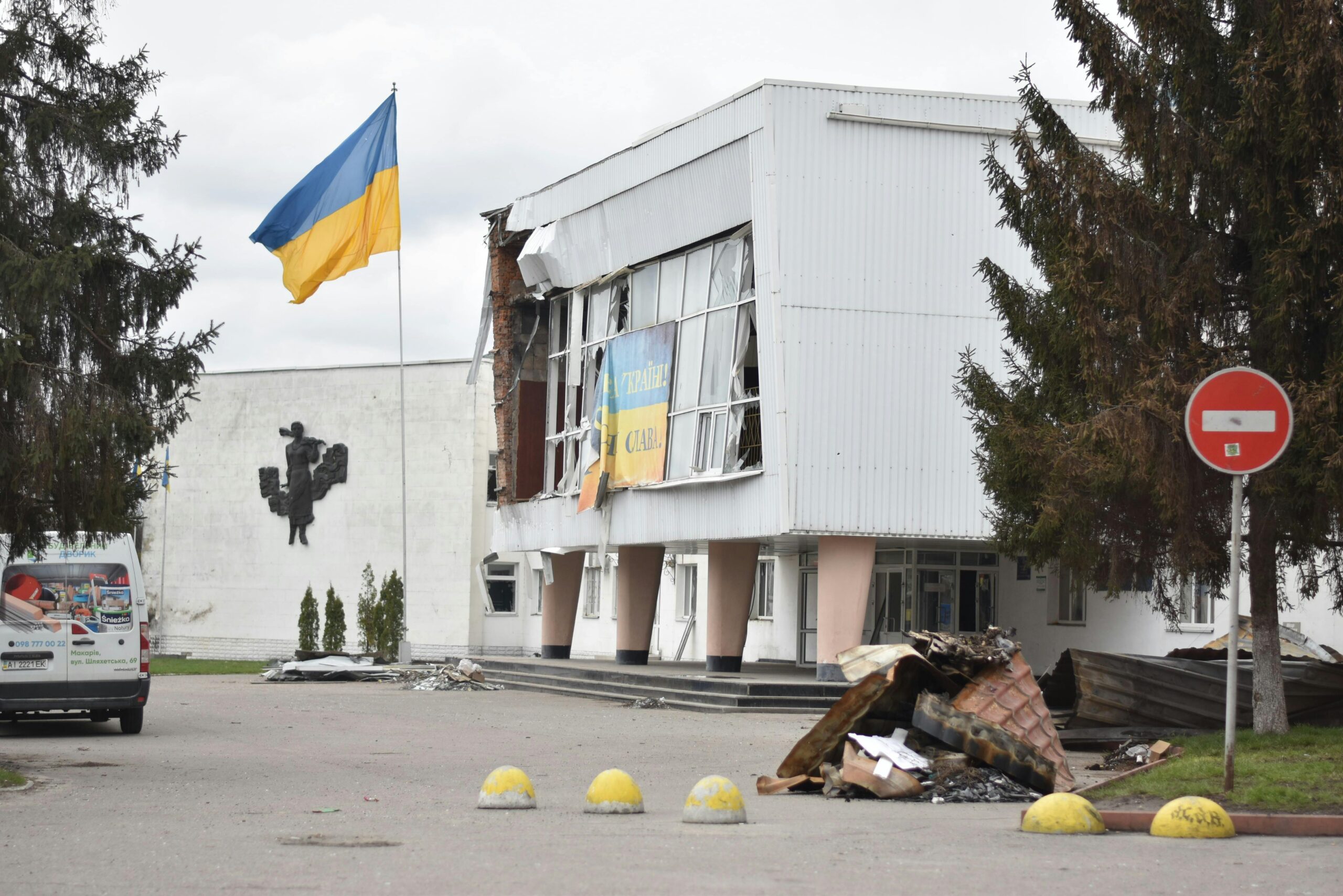
There’s a strange paradox unfolding in Ukraine: while missiles still fall and air raid sirens remain part of daily life, a new kind of traveler is quietly arriving. Not soldiers. Not aid workers. But tourists.
Yes — tourists in a war zone.
It sounds almost unreal, like something from a dystopian travel documentary. But “war tourism” in Ukraine is no longer a fringe phenomenon. It’s slowly becoming a recognizable, controversial, and deeply complex form of travel.
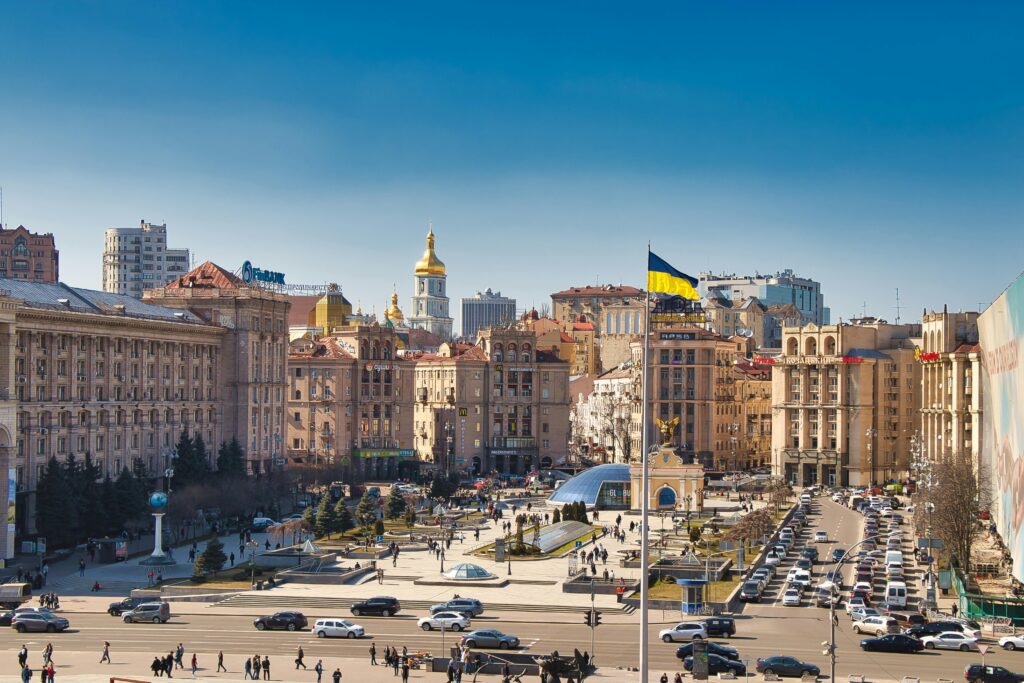
What “War Tourism” Actually Means in Ukraine
This isn’t beach holidays with a dramatic backdrop. It’s closer to what researchers call dark tourism — travel to places associated with death, tragedy, or conflict.
In Ukraine’s case, this has evolved into what academics describe as “hot-war tourism,” meaning travel into an active conflict zone where danger is still present and ongoing.
Visitors typically:
- Join guided tours of war-damaged towns like Bucha and Irpin
- Visit memorials and mass grave sites linked to early war atrocities
- Observe rebuilt neighborhoods standing beside destroyed infrastructure
- Meet locals who lived through occupation or bombardment
- Sometimes volunteer or donate directly during their stay
This is not leisure travel in the traditional sense. It is emotionally heavy, politically charged, and ethically debated.
Why Are People Visiting a War Zone?
Motivations vary — and they’re not always simple or noble.
1. Witnessing history in real time
Some travelers feel they are observing a defining moment in modern European history. They want to “see it with their own eyes” rather than through news headlines.
2. Solidarity and support
Others see their visit as a form of economic and moral support, especially for local guides, businesses, and communities trying to survive wartime collapse.
3. Educational purpose
Students, journalists, and researchers often visit to better understand the realities of modern warfare — infrastructure damage, civilian resilience, and humanitarian impact.
4. Curiosity — the uncomfortable truth
There is also a more controversial group: travelers drawn by curiosity, shock value, or social media content opportunities. This is where ethical lines become blurred.
The Rise of “Guided War Experiences”
Ukraine’s tourism sector didn’t just disappear after the full-scale invasion — it adapted.
Some local operators now offer structured, guided experiences that avoid active combat zones but still expose visitors to war’s consequences. These include:
- Reconstructed tours of liberated towns
- Visits to shelters, memorials, and damaged infrastructure
- Meetings with volunteers and veterans
- Educational briefings on safety protocols and wartime life
According to tourism researchers, this represents a broader trend of “war-torn destination resilience,” where tourism is reshaped rather than eliminated during conflict.
Safety: The Reality Behind the Experience
Let’s be clear — Ukraine in 2026 is still an active war zone.
Travel is possible, but highly conditional:
- Western regions like Lviv are relatively safer compared to eastern frontline areas
- Air raid alerts remain frequent across much of the country
- Infrastructure disruption (blackouts, transport delays) is common
- Travel insurance coverage is limited or excluded for war risks
- Entry is legal, but strongly discouraged by many governments
Experts consistently warn that risks cannot be eliminated — only managed.
In other words: you’re not visiting a “war-themed attraction.” You’re entering a real, unpredictable conflict environment.
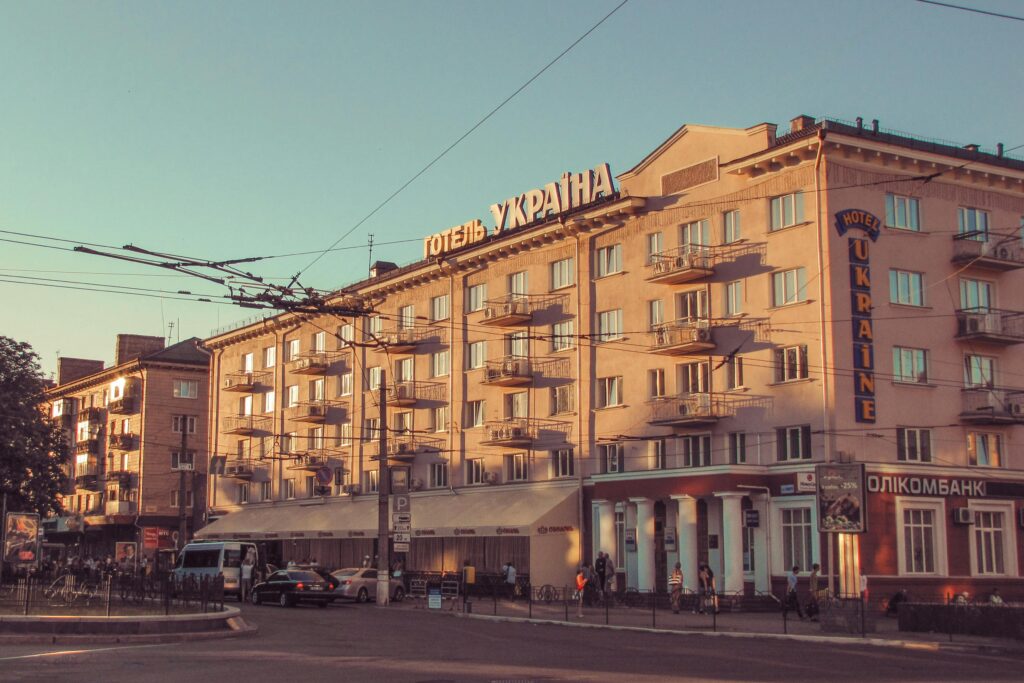
The Ethical Debate: Awareness or Exploitation?
This is where opinions sharply divide.
Supporters argue:
- It raises global awareness of the war’s human cost
- It provides income to struggling local communities
- It strengthens international solidarity
- It preserves memory of atrocities that might otherwise fade
Critics argue:
- It risks turning suffering into spectacle
- It can disrespect victims and survivors
- It may divert resources from urgent humanitarian needs
- It blurs the line between empathy and voyeurism
Even within Ukraine, perspectives differ. Some locals welcome visitors as witnesses and allies. Others see it as uncomfortable or premature tourism in an ongoing tragedy.
Economic Reality: Tourism Without Peace
Ukraine’s tourism industry has been heavily damaged since 2022, with international arrivals collapsing due to airspace closures and safety concerns.
Yet, paradoxically:
- Domestic travel still exists in safer regions
- Volunteer-based travel has increased
- Small-scale guided tourism has emerged in rebuilt areas
- Post-war tourism planning is already underway
This creates a hybrid system: part humanitarian engagement, part economic survival strategy.
Psychological Impact on Visitors
Many travelers report a similar emotional trajectory:
- Shock at visible destruction
- Discomfort or moral questioning
- Deep empathy after speaking with locals
- Long-term emotional impact after returning home
Some describe it as life-changing. Others describe it as overwhelming or ethically unsettling.
Either way, it is not a casual travel experience — and it rarely leaves people unchanged.
The Future of War Tourism in Ukraine
If the war eventually de-escalates, Ukraine could face a surge in memorial tourism similar to other post-conflict regions.
Possible future developments include:
- Permanent war memorial routes
- Museums documenting the invasion
- Regulated historical battlefield tourism
- Educational international programs
But during active conflict, the trajectory remains uncertain. Demand may grow, but so will ethical scrutiny and safety restrictions.
Frequently Asked Questions (FAQ)
1. Is it legal to travel to Ukraine right now?
Yes, entry is legal for many foreign nationals, but conditions depend on nationality, visas, and wartime regulations.
2. Is it safe to visit war tourism sites?
No location in Ukraine during wartime can be considered fully safe. Some regions are lower risk, but danger remains unpredictable.
3. What is “hot-war tourism”?
It refers to visiting active conflict zones where war is still ongoing, often with guided support and strict safety awareness.
4. Are tourists allowed near front lines?
No responsible operators allow access to active combat zones. Ethical tours stay far from military operations.
5. Why would anyone go to a war zone as a tourist?
Reasons include education, solidarity, journalism, curiosity, and historical interest.
6. Does tourism help Ukraine or harm it?
Both arguments exist. It can provide economic support, but also raises ethical and logistical concerns.
7. Will war tourism continue after the conflict ends?
Likely yes — but it would shift toward memorial tourism and historical education rather than real-time conflict observation.
Final Thought
War tourism in Ukraine sits in a moral gray zone — somewhere between witnessing history and consuming tragedy. It reflects a modern world where conflict is not only broadcast instantly, but physically visited, experienced, and interpreted by outsiders in real time.
The uncomfortable truth is this: people have always traveled to places of suffering. What’s new is how visible, organized, and debated that behavior has become.
And Ukraine, still fighting for its future, is now also becoming a mirror for how the world chooses to look at war — not just from afar, but up close.
Sources The Washington Post

