
At first glance, Somalia seems like the last place experiencing a tourism surge. For decades, headlines have focused on conflict, piracy, and extremist threats. Yet in 2024–2025, tour operators, diaspora travelers, and curiosity-driven adventurers started showing increasing interest in the country. The question is simple: Why now? And more importantly: What does this shift really mean?
Below is a fuller, deeper look at what’s happening—going beyond basic reporting to explore the opportunities, risks, and long-term implications of Somalia’s emerging tourism movement.
1. A Modern e-Visa System Changed Everything
In 2025, Somalia launched a streamlined electronic visa and electronic travel authorization system. Previously, travelers relied on embassy visa requests—or even last-minute visas on arrival—that made planning complicated.
The new system instantly signaled two things:
- Somalia is ready to welcome more visitors
- Travel logistics just became easier
Tour companies reported booming inquiries the moment the new system went live, especially for group tours to Mogadishu, Somaliland, and Puntland.
2. Relative Stability in Key Regions
Somalia is still dangerous. That hasn’t changed.
But pockets of the country have become more stable:
- Central districts of Mogadishu
- Somaliland (self-governing region)
- Puntland (semi-autonomous region)
These areas have:
- Better security coordination
- Growing infrastructure
- Higher presence of international organizations
- More experienced local tourism operators
It’s not a free-for-all. It’s a managed form of early-stage tourism appealing to specific types of travelers.
3. A Surprising Wealth of Attractions
Many don’t realize Somalia offers:
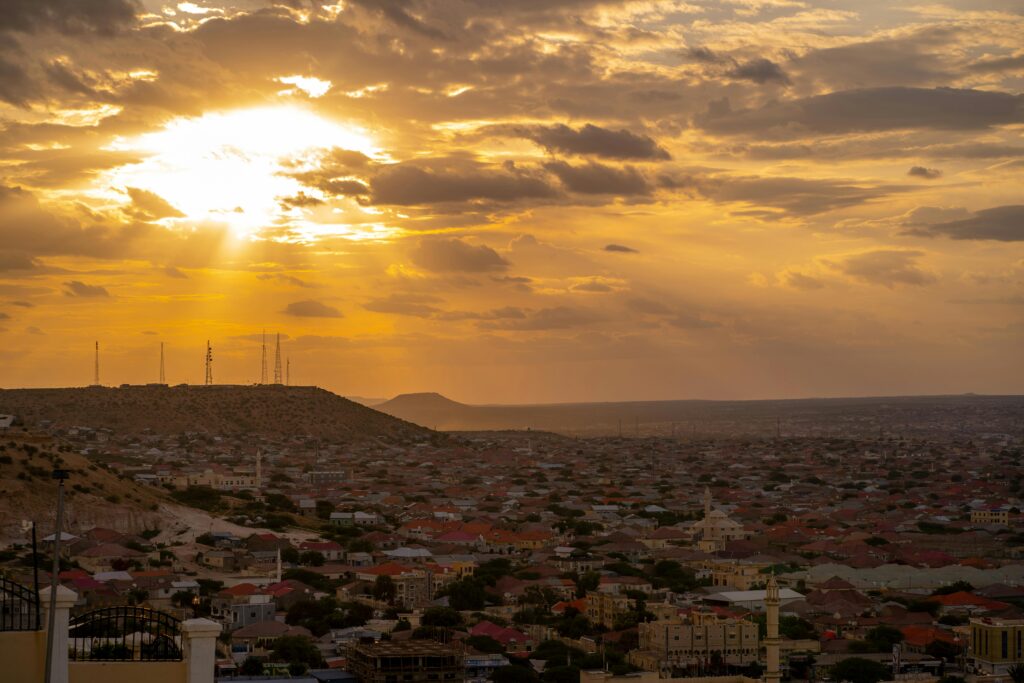
- Endless white-sand beaches along the Indian Ocean
- Ancient cave paintings, including the famous Laas Geel rock-art complex
- Heritage towns and colonial-era architecture
- Unique cuisine and vibrant markets
- Deep cultural ties for diaspora visitors
- Remote desert landscapes ideal for adventure travel
The lack of mass tourism actually appeals to niche travelers looking for untouched, raw destinations.
4. Diaspora Tourism Is Fueling Growth
Somalia has a massive global diaspora in Europe, North America, and the Middle East. As security and travel systems improved, more Somali families abroad began returning home to:
- Visit relatives
- Explore their cultural heritage
- Consider investment opportunities
- Support local businesses
Diaspora travelers are significantly boosting hotel stays, flights, and local tour activity.
5. Government and Tour Operators Are Actively Promoting Travel
Unlike the past, Somali authorities are publicly encouraging tourism development. Local operators have begun offering:
- Cultural tours
- Beach excursions
- Historical site visits
- Specialized adventure itineraries
Years ago, these offerings didn’t exist—or were offered only informally.
6. The Parts the Original Reporting Missed
Many news articles mention the tourism surge but skip important insights:
A. Tourism Isn’t Booming Everywhere—Only in Specific Zones
Most of Somalia is still under advisories against all but essential travel. The growth is concentrated in relatively stable enclaves.
B. Infrastructure Remains Limited
Hotels, airports, and transport services are still developing. This isn’t a traditional tourism destination—yet.
C. Tourists Need High Risk Tolerance
The rise in tourism doesn’t erase the real risks. Travelers must rely on specialized operators and follow strict safety protocols.
D. Benefits May Be Uneven
Local communities don’t always feel the direct economic benefits. Much depends on how future policies shape equitable development.
E. Diaspora vs. Foreign Adventurers
Most new tourist numbers come from diaspora, not Western backpackers. That distinction matters for forecasting future trends.
F. Tourism Could Shift Political Perception
A slowly growing visitor market strengthens Somalia’s international image—but also puts pressure on the government to deliver security and services.
Opportunities Ahead
If handled responsibly, Somalia’s emerging tourism industry could:
- Diversify the economy
- Improve international perception
- Create thousands of jobs
- Support local entrepreneurship
- Attract foreign investment
- Boost cultural preservation
Even small increases in visitors have outsized economic impact.
Risks That Could Slow or Reverse the Growth
- Resurgence of extremist activity
- Political instability
- Poorly regulated tourism expansion
- Over-reliance on niche tour operators
- Infrastructure not keeping pace with demand
- Mismanaged coastal or cultural sites
Somalia’s tourism momentum is real—but fragile.
Frequently Asked Questions
Q1: Is Somalia actually safe for tourists?
Not generally. Overall, the country remains high-risk. However, some regions have improved security and can be visited with experienced guides.
Q2: Who is visiting Somalia right now?
Primarily:
- Somali diaspora
- Adventure travelers
- Journalists
- NGO staff
- Business investors
- Specialized travel groups
Mass tourism has not arrived.
Q3: What is Somalia’s new e-Visa system?
A digital platform that allows travelers to apply for entry authorization online before arrival. This modernizes and simplifies the process.
Q4: What kind of attractions does Somalia offer?
Beaches, deserts, rock art, historical ruins, markets, marine ecosystems, unique cultural experiences, and unspoiled coastal environments.
Q5: Are Western governments lifting travel warnings?
Not yet. Most advise against nonessential travel, especially outside major cities.
Q6: Is Somaliland part of this tourism surge?
Yes. Somaliland, which governs itself independently, has long been one of the safest areas and draws many visitors interested in culture and history.
Q7: Are tours expensive?
Yes. Niche tours in high-risk or low-infrastructure destinations tend to be costly due to logistics and security arrangements.
Q8: Can tourism help Somalia’s economy?
If developed carefully, yes. Tourism creates jobs, boosts local services, and encourages foreign currency flow.
Q9: What’s the biggest challenge ahead?
Ensuring safety, building trust with travelers, improving infrastructure, and creating consistent policy between Somalia’s different regions.
Final Thoughts
Somalia’s rising tourism wave is a remarkable story. It doesn’t mean the country has suddenly become safe or easy to visit—but it does show that change is happening. With improved access, diaspora engagement, and targeted niche tourism, Somalia is cautiously stepping onto the world travel map.
Its future depends on whether this early momentum becomes a bridge to long-term stability, global connection, and sustainable development—or just a brief moment of curiosity.
Sources CNN

