
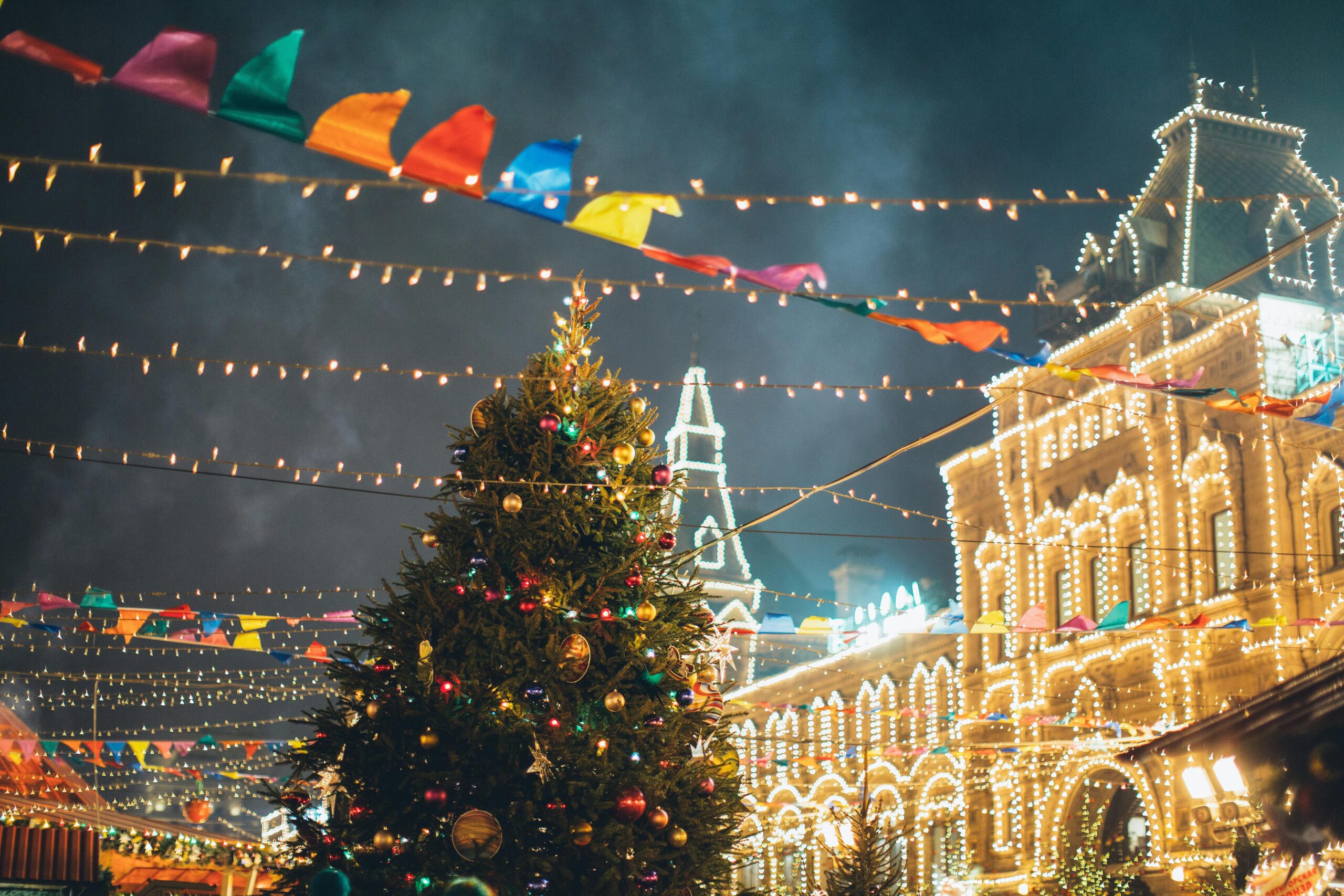
As winter settles across Europe, cities transform their historic squares into glowing festive villages filled with lights, music, mulled wine, and wooden stalls. Among them, Zagreb, Croatia’s capital, has emerged as one of the most ambitious contenders to host — and repeatedly win — the title of Europe’s best Christmas market.
But Zagreb’s push is not just about holiday charm. It reflects a broader strategy involving tourism revival, city branding, economic diversification, and cultural storytelling. This article looks beyond the festive headlines to explore why Zagreb is investing so heavily in its Christmas market, what makes it different, what challenges it faces, and why seasonal tourism has become a serious economic tool.
Why Christmas Markets Matter More Than Ever
Christmas markets are no longer just local traditions. Across Europe, they have become:
- major tourism drivers
- international branding tools
- seasonal economic engines
- cultural diplomacy platforms
Winning recognition as “Europe’s best” can generate:
- millions in tourism revenue
- global media exposure
- repeat visitation
- long-term destination loyalty
For smaller capitals like Zagreb, this visibility is especially valuable.
Zagreb’s Rise as a Winter Destination
From Underrated to Award-Winning
Just a decade ago, Zagreb was largely overshadowed by Croatia’s coastal destinations like Dubrovnik and Split. Winter tourism was minimal.
That changed when city leaders:
- invested in festive infrastructure
- curated diverse holiday zones across the city
- promoted Zagreb internationally as a winter city break
The result: Zagreb quickly gained a reputation as a top European Christmas market destination, winning multiple international awards in past years.
A City-Wide Festival, Not One Square
Unlike markets concentrated in a single plaza, Zagreb spreads festivities across:
- Ban Jelačić Square
- Zrinjevac Park
- Upper Town streets
- museums, tunnels, and courtyards
This decentralization:
- reduces overcrowding
- encourages exploration
- distributes economic benefits
What Makes Zagreb’s Christmas Market Stand Out
1. Affordability
Compared with Vienna, Paris, or Munich, Zagreb offers:
- lower accommodation costs
- affordable food and drinks
- good value transport
This appeals to younger travelers, families, and budget-conscious visitors.
2. Local Identity
Zagreb emphasizes:
- Croatian food and wine
- regional crafts
- local musicians and performers
Rather than copying larger cities, it leans into authentic Central European and Balkan traditions.
3. Creative Programming
Beyond stalls, the city hosts:
- open-air concerts
- themed installations
- interactive art
- family-friendly attractions
This keeps visitors engaged beyond simple browsing.
What the Original Coverage Often Misses
A. Economic Strategy Behind the Festivities
Zagreb’s Christmas market is part of a deliberate effort to:
- extend the tourist season
- stabilize hospitality jobs year-round
- reduce reliance on summer tourism
Winter tourism helps smooth seasonal employment swings.
B. Competition Is Intensifying
Cities across Europe are investing heavily in holiday tourism. Zagreb must now compete with:
- Prague
- Budapest
- Tallinn
- Vienna
- emerging markets in Eastern Europe
Remaining “best” requires constant reinvention.
C. Infrastructure and Capacity Challenges
Success brings pressure:
- rising accommodation demand
- crowd management
- transport congestion
- waste and energy use
Sustainability is becoming as important as spectacle.
D. Local Resident Concerns
Some residents worry about:
- noise
- overcrowding
- commercialization of public spaces
City planners must balance tourism growth with livability.
Christmas Markets as City Branding
Zagreb’s strategy reflects a wider European trend: events as identity.
Rather than selling generic tourism, cities are:
- creating signature seasonal experiences
- aligning culture with economic goals
- building emotional connections with visitors
For Zagreb, Christmas has become a defining chapter of its global image.
Sustainability and the Future of Festive Tourism
Zagreb is increasingly focusing on:
- energy-efficient lighting
- reusable cups and materials
- local supply chains
- crowd flow planning
As climate and sustainability concerns grow, festive tourism must adapt.
Why This Matters Beyond Zagreb
Zagreb’s Christmas market story illustrates how:
- smaller cities can compete with global capitals
- cultural events drive economic resilience
- tourism can be reshaped around seasons, not just geography
It’s a model other mid-sized cities are watching closely.
Frequently Asked Questions
Why does Zagreb want to host Europe’s best Christmas market?
For tourism growth, international recognition, and economic diversification.
What makes Zagreb’s market different?
Affordability, local culture, creative programming, and city-wide layout.
When does the Christmas market take place?
Typically from late November through early January.
Is Zagreb expensive during Christmas season?
It remains more affordable than many Western European capitals.
Does winter tourism really help the local economy?
Yes. It supports jobs, small businesses, and year-round stability.
Are there concerns about overtourism?
Yes. Crowd control and resident impact are ongoing challenges.
Will Zagreb keep winning “best market” titles?
Competition is growing, so continued innovation will be essential.
Final Thoughts
Zagreb’s push to host Europe’s best Christmas market is about far more than festive lights and holiday cheer. It’s a calculated effort to redefine the city’s place on the European tourism map — turning winter from a quiet season into a cultural and economic opportunity.
If managed sustainably, Zagreb’s Christmas market could remain not just a seasonal highlight, but a lasting symbol of how cities can reinvent themselves through creativity, culture, and careful planning.
Sources BBC

