
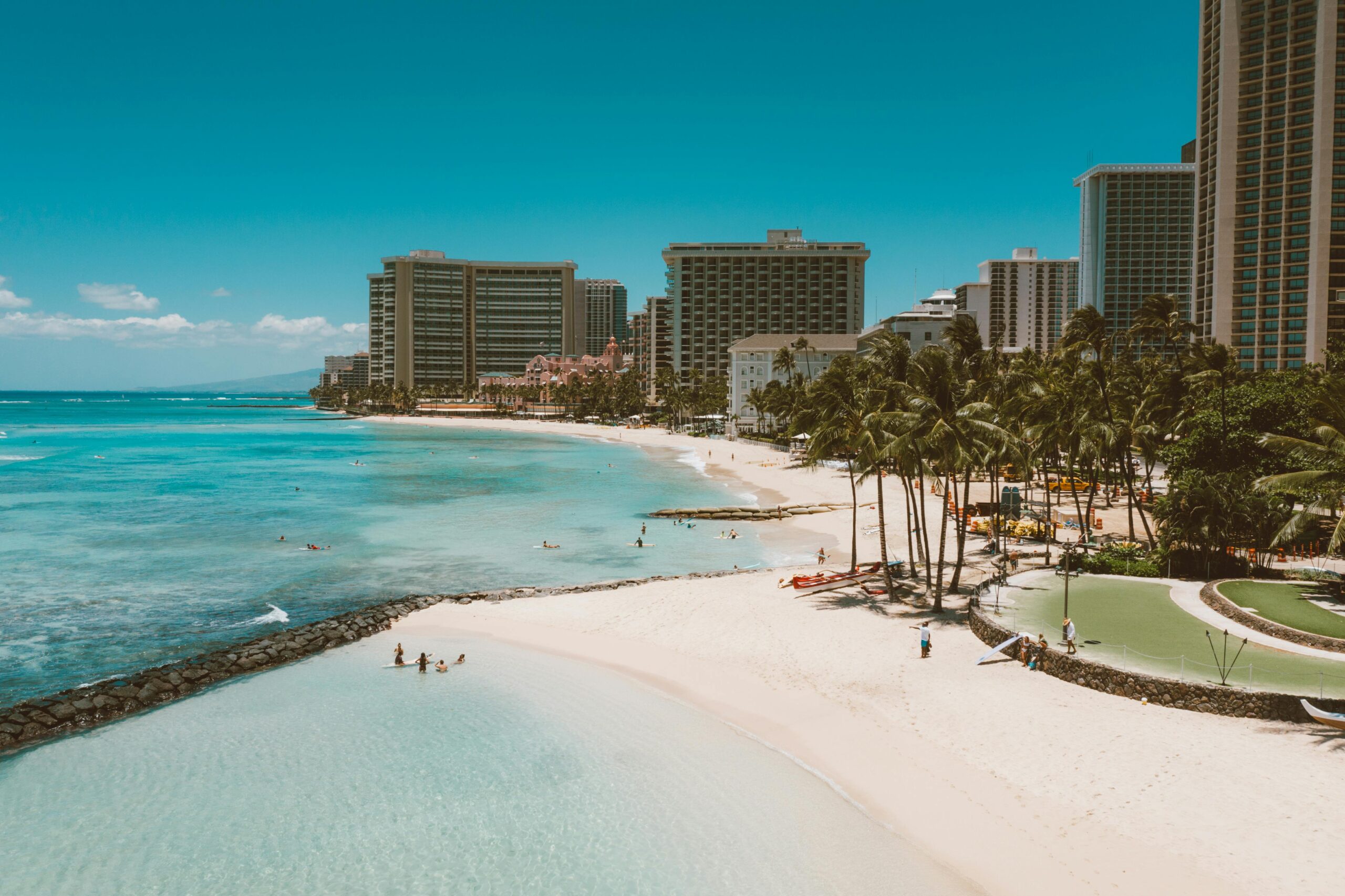
Hawaii’s economy has always been uniquely tied to global travel. Unlike most U.S. states, tourism is not just a major industry — it is the backbone of employment, small business survival, and public revenue. That’s why a proposed U.S. visitor vetting policy, which would increase scrutiny and data requirements for foreign travelers, is raising serious alarms across the islands.
While national debates often frame travel vetting as a security issue, the reality for Hawaii is far more immediate and economic. This article takes a deeper look at why Hawaii is especially vulnerable, how international travel fuels the state’s economy, what the proposal could disrupt, and what options exist to reduce the damage.
What Is the Proposed U.S. Vetting Policy?
The proposal would expand background checks for foreign visitors entering the United States. Depending on final implementation, this could include:
- additional personal data disclosure
- longer processing times for travel authorization
- expanded digital and social media screening
- more discretionary review at entry points
While officials argue the goal is national security, the tourism industry warns that complexity and uncertainty alone can deter travelers, even if few are ultimately denied entry.
Why Hawaii Is Uniquely Exposed
1. Heavy Reliance on International Visitors
Unlike many mainland destinations, Hawaii depends heavily on travelers from:
- Japan
- South Korea
- Australia
- Canada
- Europe
International visitors tend to:
- stay longer
- spend more per day
- support a wider range of local businesses
Any decline in overseas arrivals has an outsized impact.
2. No Drive-In or Rail Tourism
Hawaii has no alternative travel market to fall back on. Every visitor must arrive by air, meaning:
- higher costs
- longer planning timelines
- greater sensitivity to travel friction
If visiting the U.S. feels complicated, Hawaii is often the first destination travelers remove from their plans.
3. Thin Economic Margins
Tourism revenue supports:
- hotel workers
- restaurants
- tour operators
- retail shops
- farmers
- entertainers
Even small dips in visitor numbers can lead to layoffs, reduced hours, and business closures — especially for locally owned enterprises.
What the Original Coverage Often Misses
A. The Psychological Impact on Travelers
Travel decisions are emotional. Policies that feel invasive or confusing can:
- trigger privacy concerns
- increase anxiety about border experiences
- push travelers toward “simpler” destinations
Hawaii competes globally with places like Bali, Thailand, Mexico, and the Maldives — all of which emphasize ease of entry.
B. Ripple Effects Beyond Tourism
Tourism revenue underwrites:
- public transportation
- environmental conservation
- cultural preservation programs
- state and county budgets
A downturn affects schools, infrastructure, and public services — not just hotels.
C. Impact on Asian Markets
Hawaii’s strongest markets are in Asia, where:
- travel planning is often conservative
- group tours remain popular
- clarity and predictability matter
Even modest policy changes can cause tour operators to redirect customers elsewhere.
D. Timing Is Especially Risky
Hawaii is still navigating:
- post-pandemic recovery
- rising living costs
- workforce shortages
- climate-related pressures
Adding new barriers during a fragile recovery increases long-term risk.
Industry Concerns and Warnings
Tourism leaders warn that:
- fewer flights could be scheduled if demand drops
- reduced seat capacity drives up prices
- lower visitor volume creates a negative feedback loop
Once routes are cut, restoring them can take years.
Security vs. Economic Reality
Few in Hawaii dispute the need for security. The concern is proportionality:
- Are the security benefits measurable?
- Can screening be faster and more transparent?
- Are there exemptions or streamlined processes for low-risk travelers?
Security policies that ignore economic realities risk undermining national interests rather than protecting them.
What Hawaii’s Leaders Are Asking For
State officials and business groups are urging:
- clear, consistent communication to travelers
- fast, digital-first processing systems
- consultation with tourism-dependent regions
- exemptions or expedited pathways for trusted travelers
- sufficient staffing to prevent delays
The goal is not weaker screening — but smarter design.
What Happens If the Proposal Moves Forward Unchanged
If implemented without mitigation, Hawaii could face:
- reduced international arrivals
- higher unemployment
- slower economic growth
- lost airline routes
- weakened small business ecosystems
Recovery would likely be uneven and prolonged.
Frequently Asked Questions
Why does Hawaii depend so much on international tourism?
Because of its geographic isolation and global appeal, overseas visitors are central to its economy.
Would all foreign visitors be affected?
Details vary, but many international travelers could face additional requirements or longer processing times.
Is domestic tourism enough to offset losses?
No. International visitors spend more and stay longer than domestic travelers.
Are other U.S. states affected the same way?
Not to the same degree. Hawaii’s lack of alternative tourism markets makes it more vulnerable.
Does the proposal improve security?
Supporters say yes, but critics argue benefits are unclear compared to economic costs.
Can the impact be reduced?
Yes, through streamlined systems, clear communication, and risk-based screening.
Final Thoughts
For Hawaii, tourism is not optional — it is essential. Policies that make international travel feel burdensome or uncertain threaten more than visitor numbers; they threaten livelihoods, cultural preservation, and economic stability.
National security matters. But so does economic resilience. The challenge now is ensuring that efforts to protect the country do not unintentionally harm one of the states most dependent on global openness.
For Hawaii, the cost of getting this wrong would be felt not in abstract statistics, but in everyday lives across the islands.
Sources Star Advertiser

