
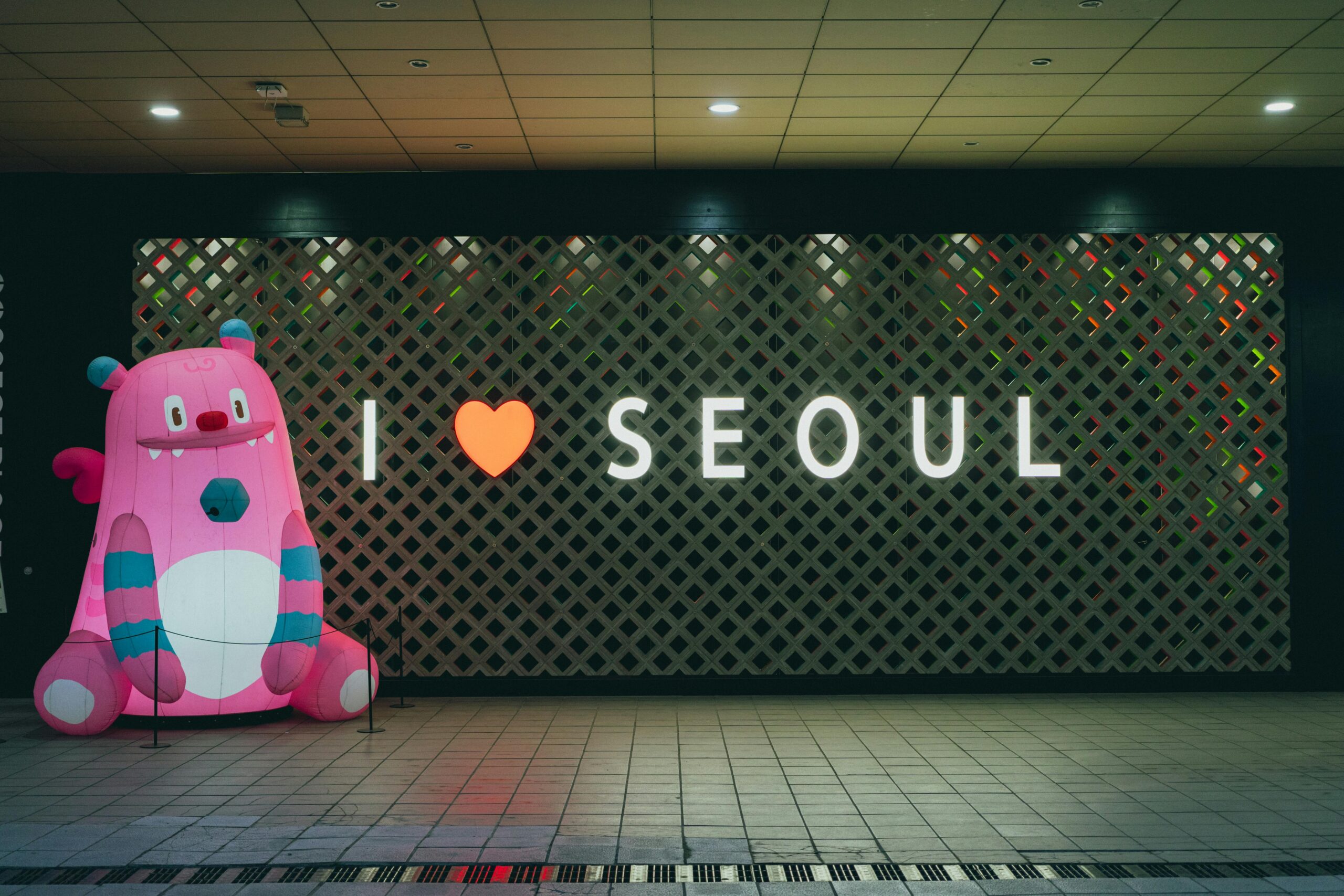
Tourist overcharging has long been one of Seoul’s most uncomfortable contradictions.
On one hand, the city markets itself as a world-class destination — neon-lit, ultra-modern, culturally rich.
On the other hand, some visitors quietly leave with stories of:
- inflated prices in markets
- unclear menus
- “foreign price” treatment in shops
- pressure-based sales tactics
Now, a leading mayoral candidate in Seoul has proposed a controversial solution:
Dual pricing — different prices for locals and foreign tourists.
But is this a fix… or a new problem waiting to happen?
Let’s break it down.
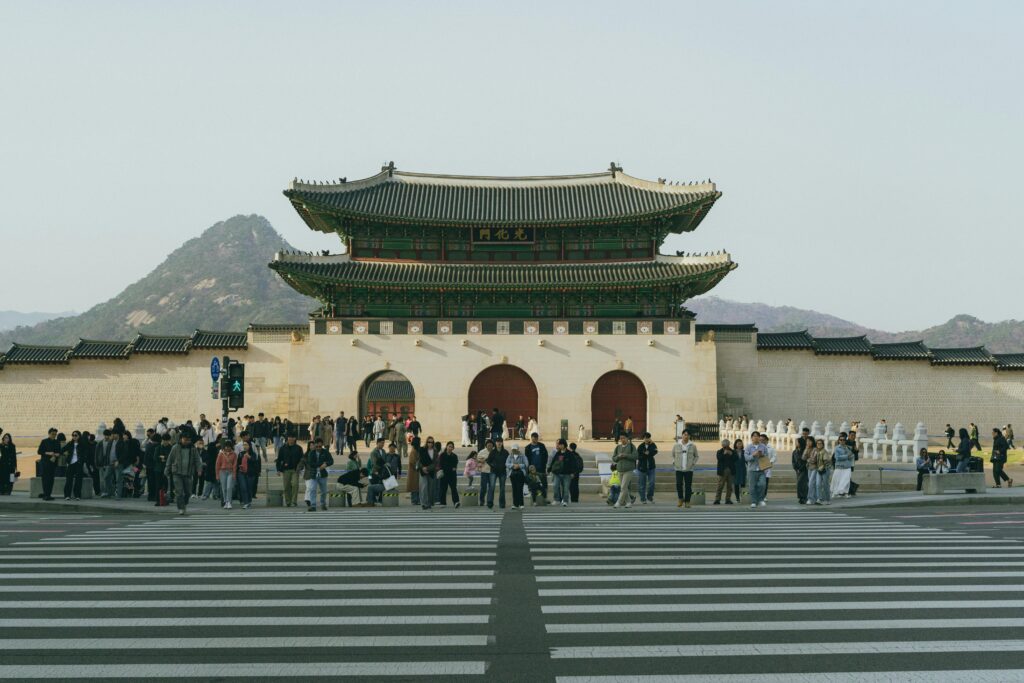
💡 What is dual pricing, really?
Dual pricing means:
- Local residents pay one price
- Foreign tourists pay another price
It already exists in many parts of the world:
- heritage sites in India
- national parks in Africa
- museums in Europe
The logic is simple:
locals subsidize access; tourists contribute more revenue.
But in retail and food markets — like Seoul is considering — things get far more sensitive.
🧭 Why Seoul is even considering this policy
This idea didn’t come out of nowhere.
South Korea has been facing increasing complaints about tourism fairness issues.
Reports include:
- overpricing in popular markets
- inconsistent menu pricing
- aggressive sales tactics
- taxi fare manipulation
- confusion over tax and service charges
These issues don’t just hurt individuals — they damage the city’s global brand.
Because in tourism, perception spreads faster than reality.
A single bad experience can outweigh ten good ones on social media.
📉 The real economic pressure behind tourist overcharging
Tourist-heavy zones often develop “informal price segmentation” anyway.
Even without official rules, pricing can drift based on:
- perceived willingness to pay
- language barriers
- unfamiliarity with local systems
- lack of bargaining power
So dual pricing is, in a sense, already happening — just unofficially and inconsistently.
The proposal attempts to:
formalize what is currently chaotic and unregulated.
⚖️ The big debate: fairness vs efficiency vs image
🟢 Supporters argue:
- tourists already generate extra economic value
- transparent dual pricing removes hidden exploitation
- businesses can legally optimize revenue
- locals are protected from inflation caused by tourism demand
In theory, it’s a “clean system for messy reality.”
🔴 Critics argue:
- it risks institutionalizing discrimination
- could discourage repeat tourism
- damages Korea’s premium global image
- is difficult to enforce fairly
And here’s the key concern:
How do you prove someone is a tourist without creating abuse?
Every solution introduces friction.
🏪 Ground reality: markets are already under pressure
Seoul has already been cracking down on unfair practices in tourist-heavy zones.
Recent enforcement efforts include:
- inspections of cosmetic retailers
- monitoring price display compliance
- mystery shopper programs
- joint enforcement with local authorities
The city’s message is clear:
“We want tourism, but not chaos.”
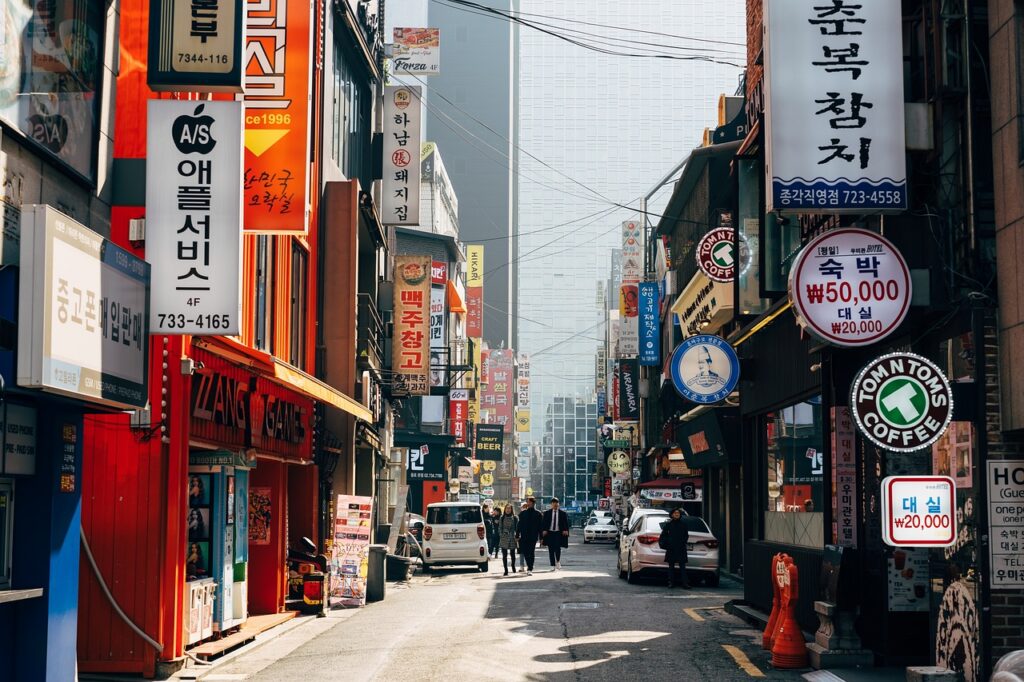
🌍 Global comparison: where dual pricing works — and where it doesn’t
✔ Works best when:
- entry is controlled (museums, parks)
- services are standardized
- identity is easy to verify
❌ Fails or creates backlash when:
- retail is decentralized
- pricing is negotiable
- discrimination risk is high
Cities like Bangkok, Bali, and parts of India show mixed outcomes:
- higher revenue yes
- but also frequent resentment and enforcement issues
Seoul is trying to avoid that reputation trap.
🤖 The overlooked factor: digital transparency
Here’s what most debates miss:
The real solution may not be dual pricing.
It may be price visibility technology.
Future systems could include:
- real-time price comparison apps
- standardized digital menus
- AI monitoring of price anomalies
Because the modern tourist doesn’t just compare cities anymore.
They compare screenshots.
🧠 Strategic insight: Seoul is fighting a branding war
This policy debate isn’t just about pricing.
It’s about positioning Seoul as:
- a “fair tourism economy”
- a “high-trust global city”
- a “K-culture destination without friction”
Tourism branding now functions like corporate reputation:
one viral complaint can outweigh years of marketing spend.
🔮 What happens next?
The dual pricing proposal is still politically sensitive.
Possible outcomes:
1. Limited pilot zones
High-density tourist areas.
2. Hybrid transparency model
Same price, but tiered service bundles.
3. Full rejection
In favor of stricter enforcement instead of structural pricing change.
Most likely path?
Enforcement + transparency tools, not full dual pricing.
❓ FAQ: What people are asking
1. What is dual pricing in tourism?
It is a system where locals and foreign visitors are charged different prices for the same goods or services.
2. Why is Seoul considering it?
To address repeated complaints about tourist overcharging and improve fairness in pricing systems.
3. Is tourist overcharging really common in Seoul?
It occurs mainly in high-tourism districts and informal markets, often due to inconsistent pricing transparency rather than official policy.
4. Would dual pricing be legal in Korea?
It would likely require new regulations and careful safeguards to avoid legal and ethical issues.
5. Could it hurt tourism?
Possibly. While it may increase fairness in some cases, it could also damage Seoul’s image as a welcoming destination.
6. What are better alternatives?
Experts often suggest:
- stricter enforcement of pricing rules
- standardized digital menus
- multilingual transparency systems
- tourist complaint tracking platforms
🧭 Final thought
Seoul is standing at a crossroads that many global cities will eventually face.
Do you:
- regulate human behavior through structured pricing systems
or - regulate systems to eliminate the need for differential pricing altogether?
Dual pricing is not just a policy idea.
It’s a mirror reflecting a deeper question:
In a global city, should value depend on where you’re from — or just what you consume?
And the answer will shape not just Seoul’s tourism future… but its identity on the world stage.
Sources The Korea Herald

