
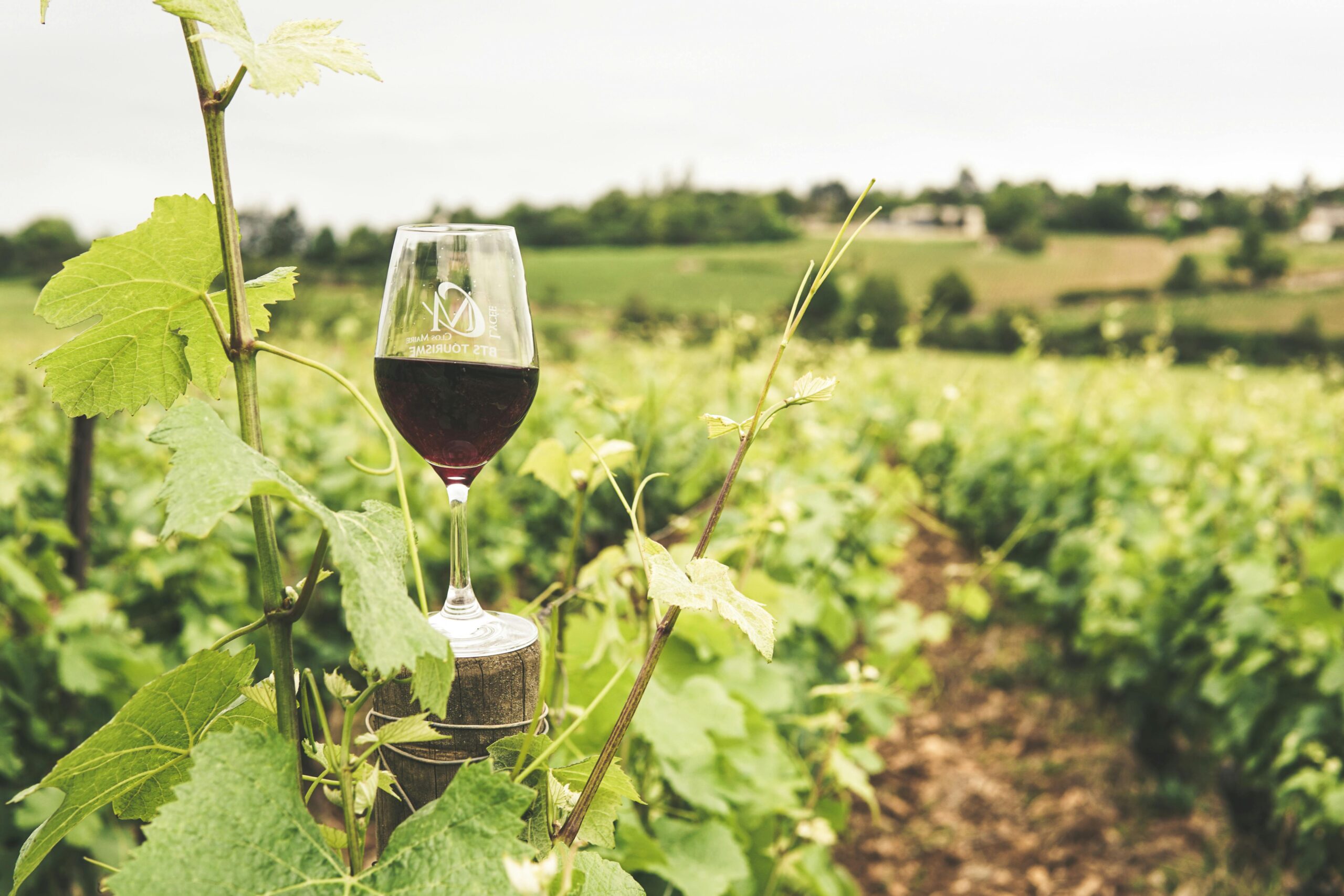
Wine is often described as a universal language—yet the words used to describe it may be anything but universal. Terms like bold, elegant, structured, or even introverted are common in wine reviews and tasting notes, but when translated into other languages, their meaning can blur, shift, or disappear entirely.
This challenge sits at the intersection of language, culture, sensory perception, and marketing. Understanding why wine descriptors get lost in translation reveals not only how language works, but how deeply culture shapes taste itself.

Why Wine Language Is So Hard to Translate
Wine Descriptions Are Metaphorical
Most wine terms are not literal. Wine is rarely “bold” in a physical sense or “shy” in a human one. Instead, wine language relies heavily on:
- Metaphors
- Analogies
- Emotional associations
These devices work within a shared cultural context—but often fail outside it.
There Is No Universal Sensory Vocabulary
Unlike colors or temperatures, taste and aroma lack a standardized global lexicon. Different cultures:
- Prioritize different flavor categories
- Associate smells with different memories
- Use different reference points
What feels intuitive in one language may feel vague or meaningless in another.
How Culture Shapes Wine Vocabulary
Western Wine Traditions
In many Western wine cultures, descriptors emphasize:
- Structure (tannins, acidity, body)
- Personality traits (bold, refined, introverted)
- Artistic qualities (elegant, expressive, balanced)
These terms reflect long traditions of literary criticism and aesthetic judgment.
Non-Western Perspectives
In other cultures, wine may be described using:
- Food-based references
- Concrete sensations
- Practical qualities like drinkability or harmony
Abstract personality metaphors may feel unnatural or overly subjective.
The Problem With Translating Personality Traits
Words Like “Elegant” and “Bold”
When translated literally:
- “Elegant” may imply formality rather than balance
- “Bold” may suggest aggression rather than intensity
The emotional tone shifts, altering the perceived quality of the wine.
Anthropomorphism Doesn’t Always Travel
Describing wine as introverted, nervous, or generous assumes:
- Shared cultural metaphors
- Comfort with anthropomorphism
Some languages avoid attributing human traits to objects, making such terms awkward or confusing.
Sensory Perception Is Culturally Learned
Taste Is Not Just Biology
While humans share similar taste receptors, perception is shaped by:
- Diet
- Childhood exposure
- Cultural norms
A flavor described as “mineral” in one culture may not register as a recognizable sensation in another.
Aroma References Are Culture-Specific
Wine notes often reference:
- Fruits
- Flowers
- Spices
- Forest or earth elements
But if those items are uncommon in a culture, the description loses meaning.
Challenges for Translators and Marketers
Literal Translation Isn’t Enough
Wine translators must often:
- Adapt rather than translate
- Replace metaphors with culturally relevant ones
- Decide what to preserve and what to explain
This is a creative, interpretive process—not a mechanical one.
Global Wine Marketing Complications
For international wine brands:
- Misinterpreted descriptors can hurt sales
- Overly poetic language may confuse new consumers
- Simplification risks losing nuance
Striking the right balance is difficult.
Standardization vs Expression
Can Wine Language Be Standardized?
Some organizations have tried to standardize wine vocabulary using:
- Aroma wheels
- Technical descriptors
While helpful for training, these tools:
- Lack emotional resonance
- May feel sterile to consumers
Wine appreciation thrives on storytelling as much as precision.
Why Poetic Language Persists
Despite translation challenges, metaphor-heavy language remains popular because it:
- Engages imagination
- Signals expertise
- Creates emotional connection
Wine is as much a cultural experience as a sensory one.
The Role of Education and Context
Teaching Wine Across Cultures
Wine education increasingly emphasizes:
- Explaining descriptors rather than assuming understanding
- Linking flavors to local foods
- Encouraging personal interpretation
This approach respects diversity in perception.
Letting Consumers Find Their Own Words
Some educators encourage tasters to:
- Describe what they actually experience
- Use familiar references
- Ignore “official” vocabulary
This democratizes wine language.
What This Tells Us About Language Itself
The struggle to translate wine descriptors reveals broader truths:
- Language is deeply cultural
- Meaning is relational, not fixed
- Sensory experiences resist precise categorization
Wine exposes the limits—and creativity—of human language.
Frequently Asked Questions (FAQs)
Why are wine descriptions so abstract?
Because taste and aroma are hard to describe directly, so metaphor fills the gap.
Do all cultures describe wine the same way?
No. Wine vocabulary varies widely across languages and cultural traditions.
Why do some translations feel confusing or misleading?
Literal translations often miss cultural associations behind the original terms.
Is there a “correct” way to describe wine?
No. Descriptions are subjective and shaped by experience and culture.
Can standardized tools like aroma wheels solve this problem?
They help with training but cannot replace cultural context and personal interpretation.
How should wine be marketed internationally?
By adapting language thoughtfully and prioritizing clarity over poetry when needed.
What’s the best way to understand wine descriptions in another language?
Learning the cultural context behind the terms is just as important as translation.
Conclusion
Wine language is rich, evocative, and deeply human—but it is also fragile when carried across linguistic and cultural borders. Words like bold, elegant, or introverted reveal as much about the speaker’s cultural framework as they do about the wine itself.
Rather than seeing these translation gaps as flaws, they can be viewed as invitations: to slow down, to taste more attentively, and to recognize that flavor, like language, is shaped by where—and who—we are.

Sources The Conversation

