

Greenland, the world’s largest island, has long been defined by its isolation—vast лед landscapes, small population centers, and limited infrastructure have kept it off the mainstream турист map. But that is beginning to change.
The opening of a new international airport marks a pivotal moment in Greenland’s development strategy, signaling ambitions to expand tourism and strengthen its global connectivity. While the Bloomberg article highlights both economic goals and geopolitical tensions, the broader story reveals a fascinating intersection of tourism development, climate change, Arctic geopolitics, and economic transformation.
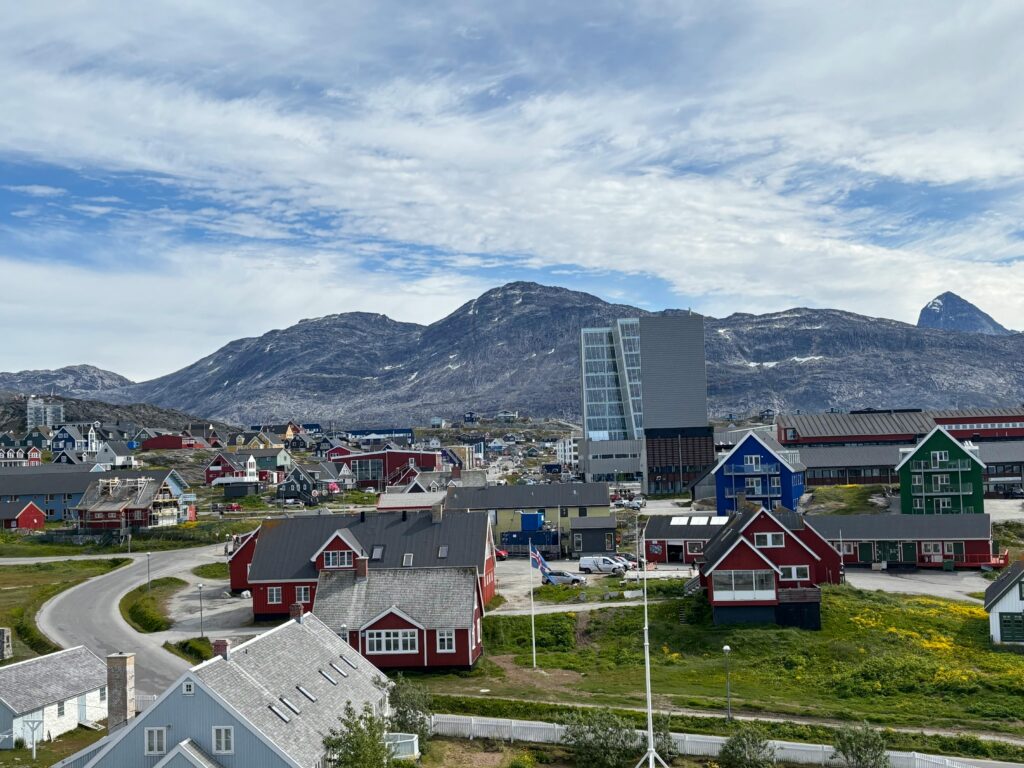
Greenland’s Tourism Potential: Untapped and Unique
1. A Land of Extreme Beauty
Greenland offers experiences few destinations can match:
- Glaciers and ice fjords
- Northern Lights (Aurora Borealis)
- Midnight sun in summer
- Remote Arctic wilderness
This positions Greenland as a prime destination for:
- Adventure tourism
- экологический travel
- Expedition cruises
2. Growing Global Interest in Arctic Travel
Travelers increasingly seek:
- Remote, untouched destinations
- Climate-related experiences
- Unique природные environments
Greenland fits perfectly into the rising trend of “last-chance tourism”—visiting places affected by climate change before they transform.
The New Airport: A Game-Changer
1. Improved Accessibility
Historically, reaching Greenland has been challenging:
- Limited flight options
- Indirect маршруты through Iceland or Denmark
- Weather-related disruptions
The new airport aims to:
- Accommodate larger international aircraft
- Enable direct long-haul flights
- Reduce travel time and complexity
2. Economic Opportunities
Enhanced connectivity can:
- Increase tourist arrivals
- Boost local businesses
- Create jobs in hospitality and services
Tourism is seen as a key sector to diversify Greenland’s economy beyond:
- Fishing
- Resource extraction
3. Infrastructure Expansion
The airport is part of a broader effort to:
- Upgrade transportation networks
- Improve accommodation capacity
- Develop tourism الخدمات
Tourism as an Economic Strategy
1. Reducing Economic Dependence
Greenland’s economy has traditionally relied on:
- Fisheries
- Danish subsidies
Tourism offers:
- A more diversified revenue stream
- Opportunities for small businesses
- Greater economic independence
2. Supporting Local Communities
Tourism can benefit:
- Indigenous communities
- Local artisans and guides
- Rural المناطق
However, benefits must be balanced with cultural preservation.
Geopolitical Context: Why Greenland Matters
1. Strategic Location
Greenland sits at a critical نقطة between:
- North America
- Europe
- The Arctic
This makes it important for:
- Military strategy
- Trade routes
- Resource access
2. U.S. Interest and Political Pressure
Greenland has drawn international attention, particularly from the United States, due to:
- Its strategic location
- Natural resources (rare earth minerals)
- Arctic influence
Political pressure and past discussions about U.S. interest in Greenland highlight:
- The island’s growing geopolitical importance
- The intersection of tourism and global السياسة
3. Arctic Competition
Other global players, including China and Russia, are also:
- Increasing Arctic engagement
- Investing in infrastructure and research
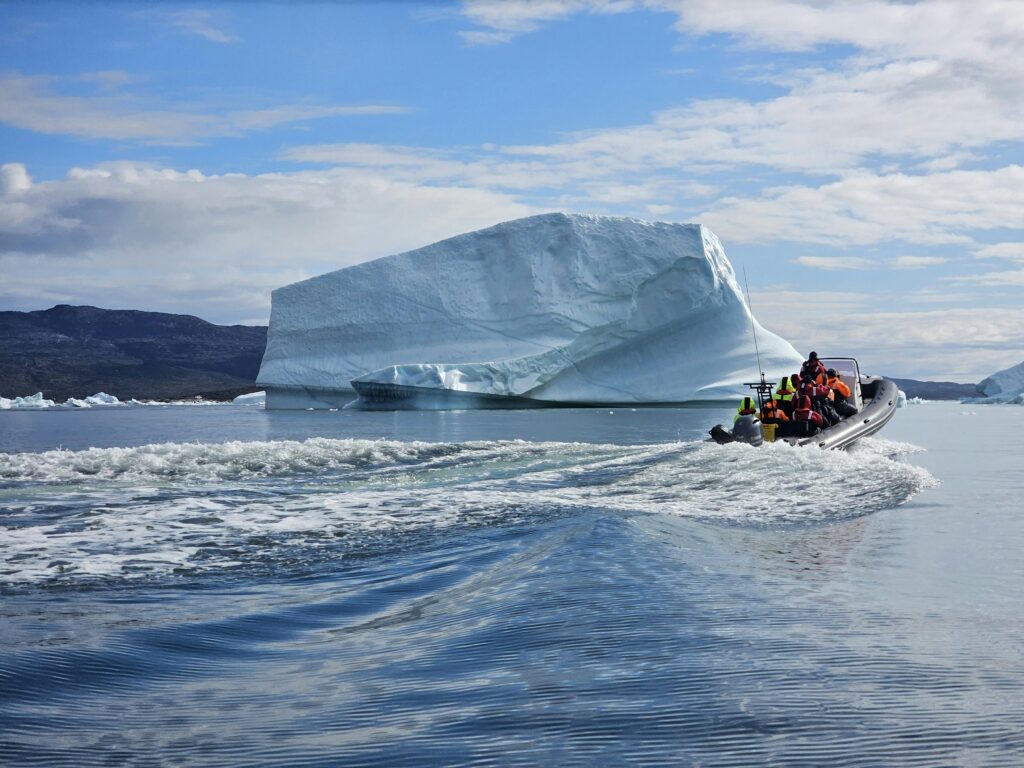
Environmental Considerations
1. Climate Change Impact
Greenland is at the forefront of climate change:
- Melting ice sheets
- Rising sea levels
- Changing ecosystems
Tourism growth must consider:
- Environmental sustainability
- Carbon footprint of travel
2. Balancing Growth and Preservation
Challenges include:
- Protecting fragile ecosystems
- Managing tourist impact
- Avoiding overtourism in sensitive areas
Challenges to Tourism Development
1. Limited Infrastructure
Greenland still faces:
- Shortage of hotels and الخدمات
- Remote settlements with limited facilities
2. High Costs
Travel to Greenland remains expensive due to:
- Distance
- Limited competition in transport
- Harsh климат conditions
3. Seasonal Constraints
Tourism is heavily influenced by:
- Weather conditions
- Seasonal accessibility
Opportunities for Sustainable Tourism
1. Eco-Tourism
Greenland can position itself as a leader in:
- Sustainable Arctic tourism
- Low-impact travel experiences
2. Cultural Tourism
Visitors can engage with:
- Inuit culture and traditions
- Local истории and lifestyles
3. Adventure and Expedition Travel
Opportunities include:
- Glacier hiking
- Dog sledding
- Arctic expeditions
The Future of Greenland Tourism
1. Gradual Growth
Tourism is expected to:
- Increase steadily
- Remain niche rather than массовый
2. Strategic Development
Focus areas include:
- Infrastructure investment
- Environmental protection
- Community involvement
3. Global Positioning
Greenland could become:
- A premier Arctic destination
- A model for sustainable tourism
Frequently Asked Questions (FAQs)
1. Why is Greenland building a new airport?
To improve accessibility, attract international tourists, and support economic growth.
2. Is Greenland becoming a major tourist destination?
It is growing in popularity, but it will likely remain a niche destination due to its remote nature.
3. Why is Greenland geopolitically important?
Its location, natural resources, and Arctic access make it strategically significant.
4. Is travel to Greenland expensive?
Yes, due to limited infrastructure and remote location.
5. What are the main attractions in Greenland?
Glaciers, Northern Lights, Arctic landscapes, and unique cultural experiences.
6. How does climate change affect tourism in Greenland?
It increases interest in visiting but also raises concerns about environmental impact.
7. Can tourism benefit local communities?
Yes, if managed sustainably and inclusively.
Conclusion
Greenland’s new airport represents more than just a upgrade—it symbolizes a turning point in the island’s global engagement. By opening its doors to more visitors, Greenland is stepping into a new role as both a destination and a geopolitical focal point.
However, with opportunity comes responsibility. The challenge will be to develop tourism in a way that supports economic growth while preserving the fragile Arctic environment and cultural heritage. If achieved, Greenland could become not just a destination—but a model for sustainable tourism in one of the world’s most sensitive regions.
Sources Bloomberg

