
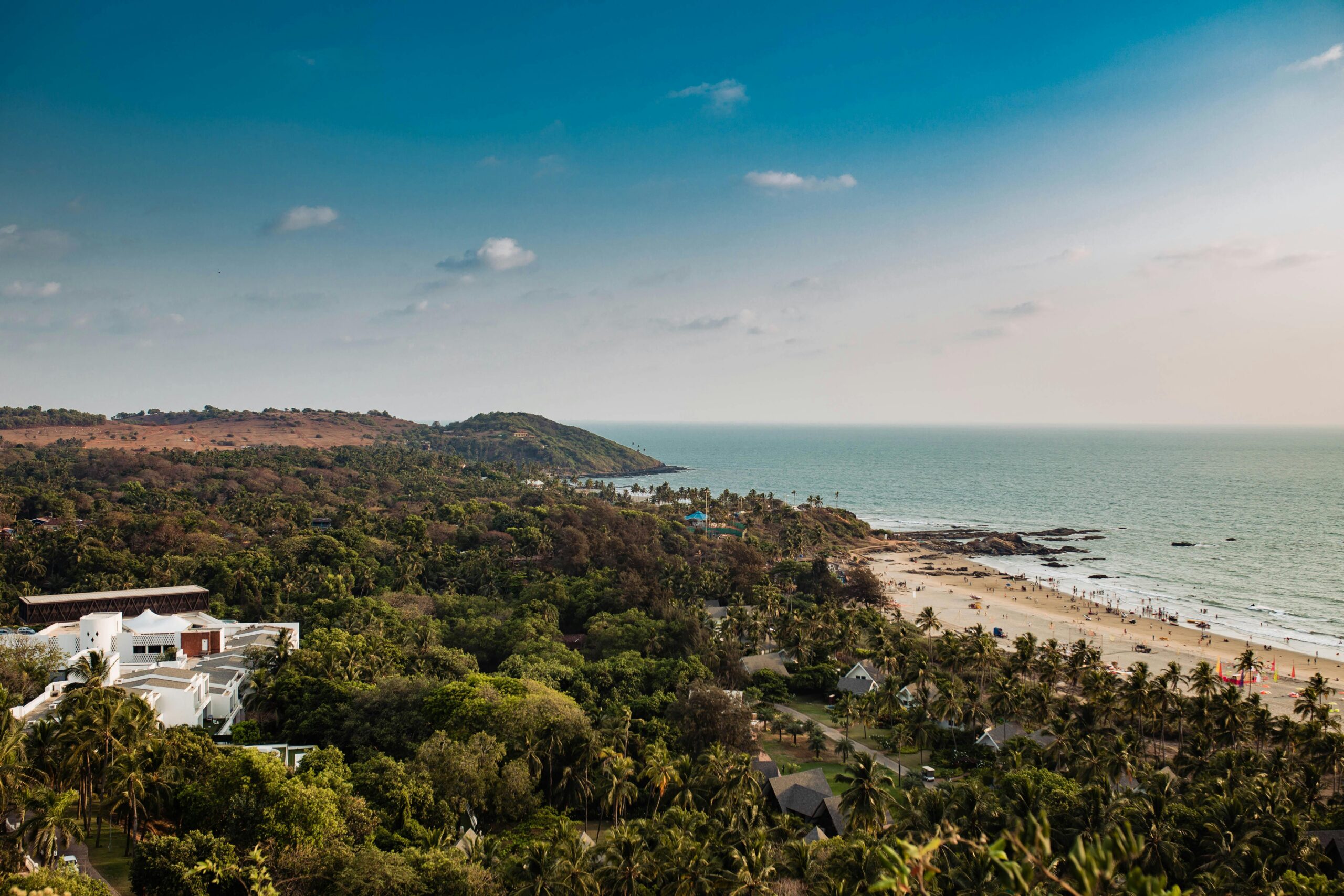
Goa was once the ultimate postcard fantasy for foreign travelers — a place where palm-fringed beaches, cheap living, and laid-back “susegad” culture created a magnetic pull for backpackers, party seekers, and long-stay European visitors.
But in recent years, that romance has started to fade.
Foreign arrivals have not fully recovered to pre-pandemic levels, and many long-time visitors now say Goa feels more expensive, more crowded, and less authentic than before. The result is a quiet but noticeable shift: travelers who once returned every winter are now choosing alternatives in Southeast Asia and beyond.
So what changed?
The answer is not a single problem — it’s a layered transformation of tourism itself.
From Backpacker Paradise to Mass Tourism Pressure Cooker
Goa’s identity has shifted dramatically over the past decade.
Once known for low-cost beach living and free-flowing nightlife, it has gradually become a mixed tourism economy dominated increasingly by domestic travelers and high-spending visitors.
While tourism overall has grown, foreign tourist share has struggled to return to earlier peaks, even as total arrivals hit record highs driven by domestic demand.
This shift matters because foreign tourists were historically:
- Long-stay visitors
- High visibility cultural contributors
- Core users of beach shacks, hostels, and rental ecosystems
As their share declined, the character of tourism changed too.
The “Delhification” Effect: Identity Conflict in a Beach Destination
One of the most controversial phrases used by locals and commentators is the idea of “Delhification” — a perception that Goa is losing its relaxed coastal identity and becoming more like a dense, urban tourism hub.
Critics point to:
- Increasing traffic congestion
- Rising noise levels in tourist zones
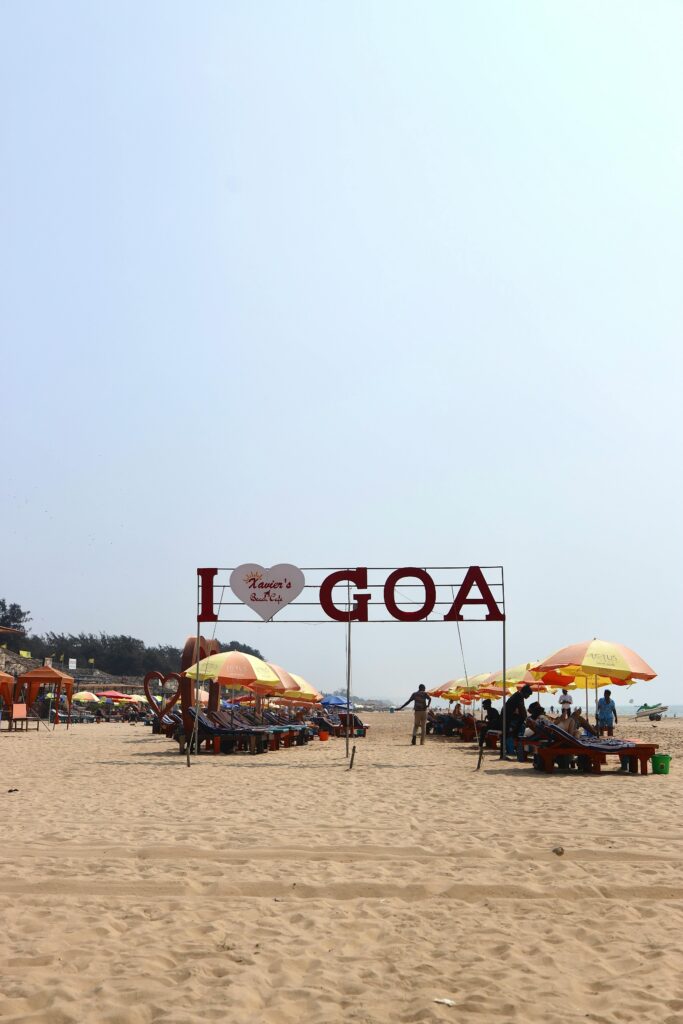
- Commercial overdevelopment of beaches
- Shift toward short-stay mass tourism
This isn’t just nostalgia talking. It reflects a real structural change: Goa is now hosting far more domestic tourists than foreign ones, especially in peak seasons.
As tourism scales up, infrastructure struggles to keep pace, and the “slow beach life” that once defined Goa becomes harder to find in popular areas.
Rising Costs Are Changing the Backpacker Equation
One of the most frequently cited reasons for foreign tourists stepping back is cost.
Goa is no longer the ultra-budget destination it once was.
Visitors now report:
- Higher accommodation prices in beach zones
- Expensive taxi fares due to limited regulation and local monopoly structures
- Inflation in food and nightlife areas popular with tourists
- Reduced availability of cheap long-term stays
For budget travelers, this creates a simple calculation problem:
Why choose Goa when Southeast Asia offers similar beaches at lower prices and smoother logistics?
Countries like Thailand and Vietnam have increasingly absorbed travelers who once would have spent the winter in Goa.
Overcrowding and the Loss of “Space”
Goa is experiencing classic overtourism pressure in certain regions.
Tourist-heavy beaches and towns often face:
- Seasonal overcrowding
- Strain on roads and services
- Competition for space between locals and visitors
- Environmental pressure on coastal ecosystems
Overtourism is defined globally as a condition where visitor numbers begin to negatively affect both local life and visitor experience.
In Goa, this creates a paradox:
- Tourism brings economic growth
- But too much concentration reduces the very experience tourists came for
Foreign visitors who once came for quiet beaches now often find themselves navigating crowded shorelines and heavily commercialized nightlife strips.
The Changing Tourist Mix: From Foreign Backpackers to Domestic Dominance
One of the biggest structural shifts is demographic.
Goa’s tourism ecosystem is now increasingly shaped by domestic Indian travelers, including:
- Short-stay weekend tourists
- Wedding groups and events
- Middle- and upper-income families
This has fundamentally changed demand patterns:
- Faster turnover instead of long stays
- Higher peak-season congestion
- Increased demand for premium services
- Reduced hostel/backpacker culture in key areas
Foreign tourists, who once formed a distinct cultural layer of Goa’s tourism identity, now share space in a much more crowded and competitive environment.

Infrastructure Strain and the “Experience Gap”
Tourism growth has not always been matched by infrastructure upgrades.
Common complaints include:
- Traffic congestion in coastal towns
- Limited public transport options
- Inconsistent waste management in high-traffic zones
- Regulatory unpredictability for nightlife and beach operations
When basic logistics become unpredictable, even beautiful destinations lose competitiveness.
Travel is not just about scenery — it is about flow, comfort, and ease of movement. When that breaks down, perception shifts quickly.
Safety, Regulation, and Reputation Challenges
Tourism destinations are also judged by perceived safety and reliability.
Recent incidents in Goa’s nightlife and tourism spaces have raised concerns about:
- Crowd safety in entertainment venues
- Emergency preparedness standards
- Regulatory enforcement in high-density tourist zones
Even isolated events can influence global perception, especially in an era where social media amplifies risk narratives instantly.
For foreign travelers choosing between multiple global destinations, perception often matters as much as reality.
The Global Competition Problem
Goa is no longer competing only with domestic destinations.
It is competing globally with:
- Thailand
- Bali
- Sri Lanka
- Vietnam
These destinations often offer:
- More stable pricing
- Stronger backpacker infrastructure
- Highly developed tourism ecosystems
- Aggressive international marketing
As a result, Goa’s decline in foreign preference is not only about internal issues — it is also about rising global competition.
Is Goa Losing Tourists or Just Changing Them?
Despite concerns, Goa is not “losing tourism” in absolute terms.
In fact, total tourist arrivals have reached record levels in recent years, driven largely by domestic demand.
What is changing is:
- Who is visiting
- How long they stay
- What they spend on
- What kind of experience they expect
In other words, Goa is not disappearing from the tourism map.
It is being restructured.
The Core Question: What Kind of Goa Is Being Built?
At the heart of the issue is not decline — but transformation.
Goa is facing a strategic identity question:
Is it:
- A global backpacker haven
- A domestic short-stay leisure hub
- A premium hospitality destination
- Or a hybrid of all three?
Each path requires different infrastructure, pricing, regulation, and cultural balance.
Right now, those systems are evolving faster than they are aligning.
Frequently Asked Questions (FAQ)
1. Why are foreign tourists reducing in Goa?
Main reasons include rising costs, overcrowding, infrastructure strain, and stronger competition from Southeast Asian destinations.
2. Is Goa still popular with tourists?
Yes. Total tourism is at record levels, but it is increasingly driven by domestic Indian travelers rather than foreign visitors.
3. What is “overtourism” in Goa?
It refers to situations where tourist numbers exceed local capacity, leading to congestion, environmental pressure, and reduced visitor experience.
4. Is Goa expensive now for travelers?
Compared to its past reputation as a budget destination, costs for accommodation, transport, and nightlife have increased significantly.
5. Are beaches in Goa overcrowded?
Some popular beaches experience heavy seasonal overcrowding, especially during peak travel months.
6. Why do tourists compare Goa with Thailand or Vietnam?
Those destinations often offer similar beach experiences at lower prices with more consistent infrastructure and logistics.
7. Is Goa losing its cultural identity?
Rather than losing identity entirely, Goa is undergoing cultural and economic transformation driven by changing tourist demographics.
Final Thought
Goa is not a fading paradise.
It is a destination in transition — caught between nostalgia and modernization, intimacy and mass tourism, global appeal and domestic dominance.
The real question is not whether tourists are falling out of love with Goa.
It is whether Goa itself is redefining what kind of love it wants in return.

Sources BBC

