
Just a decade ago, Morocco was already a popular destination for adventurous travelers seeking colorful markets, ancient cities, Sahara Desert excursions, and a unique blend of African, Arab, Berber, and European influences.
Today, however, Morocco is experiencing something far bigger than steady growth.
The North African nation has emerged as one of the world’s fastest-growing tourism destinations, attracting record numbers of visitors and transforming itself into Africa’s leading tourism powerhouse. What was once considered an alternative destination is rapidly becoming a mainstream global tourism success story. Recent figures show Morocco welcomed a record 19.8 million visitors in 2025, making it the most visited country in Africa.
From the bustling souks of Marrakech to the blue-painted streets of Chefchaouen and the golden dunes of the Sahara, Morocco is attracting travelers from around the globe. But behind the impressive visitor numbers lies a more complex story involving infrastructure investment, economic transformation, cultural preservation, and growing concerns about sustainability.
Morocco’s Record-Breaking Tourism Growth
Tourism in Morocco has been growing steadily for years, but recent growth has been exceptional.
According to Morocco’s tourism authorities, the country welcomed 19.8 million tourists in 2025, representing a 14% increase over the previous year. Tourism revenues also rose significantly, reaching approximately 124 billion dirhams ($13.5 billion) during the first eleven months of the year.
The momentum has continued into 2026.
During the first quarter alone, Morocco received 4.3 million visitors, a 7% increase compared with the same period in 2025. March arrivals surged by 18%, demonstrating that international demand remains strong despite global economic uncertainty and higher travel costs.
These numbers place Morocco ahead of many competing destinations across Africa and the Mediterranean region.
Why Morocco Has Become So Popular
Several factors are driving the tourism surge.
Improved Air Connectivity
One of Morocco’s biggest advantages is increasing accessibility.
The country has expanded direct air routes connecting major cities in Europe, North America, the Middle East, and Africa. Additional airline capacity has made travel easier and more affordable for international visitors.
Diverse Travel Experiences
Unlike destinations that rely primarily on beaches or cultural attractions, Morocco offers remarkable diversity.
Travelers can experience:
- Historic imperial cities
- Atlantic Ocean beaches
- Sahara Desert adventures
- Atlas Mountain trekking
- Luxury resorts
- Culinary tourism
- Traditional markets
- Cultural festivals
This variety appeals to multiple traveler segments, from backpackers and digital nomads to luxury tourists and family vacationers.
Relative Affordability
Compared with many European destinations, Morocco often provides strong value for money.
Accommodation, dining, transportation, and guided experiences frequently cost less than comparable experiences in Western Europe, making the country attractive during periods of economic uncertainty.
Tourism Is Becoming a Major Economic Engine
Tourism now plays a critical role in Morocco’s economy.
The sector contributes approximately 7% of the country’s gross domestic product and supports hundreds of thousands of jobs directly and indirectly. Tourism also serves as a major source of foreign currency earnings.
Economic benefits extend beyond major cities.
Tourism spending supports:
- Hotels and riads
- Restaurants
- Tour operators
- Transportation providers
- Local artisans
- Market vendors
- Cultural performers
- Rural communities
For many regions, tourism has become one of the most important drivers of local economic development.
Marrakech Remains the Star Attraction
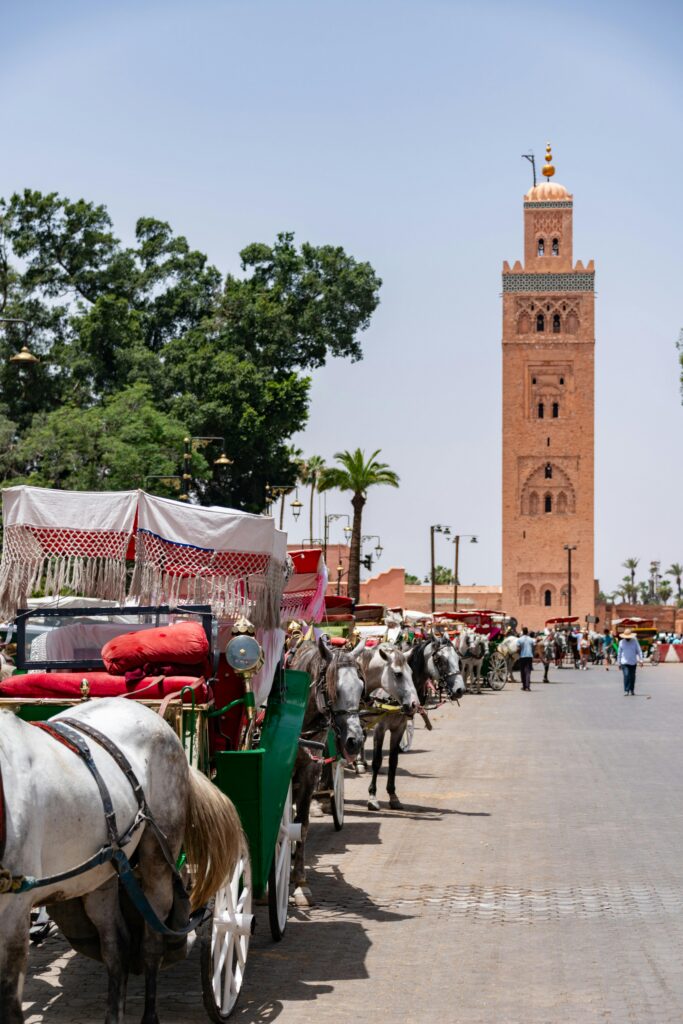
Among Morocco’s destinations, Marrakech remains the country’s tourism centerpiece.
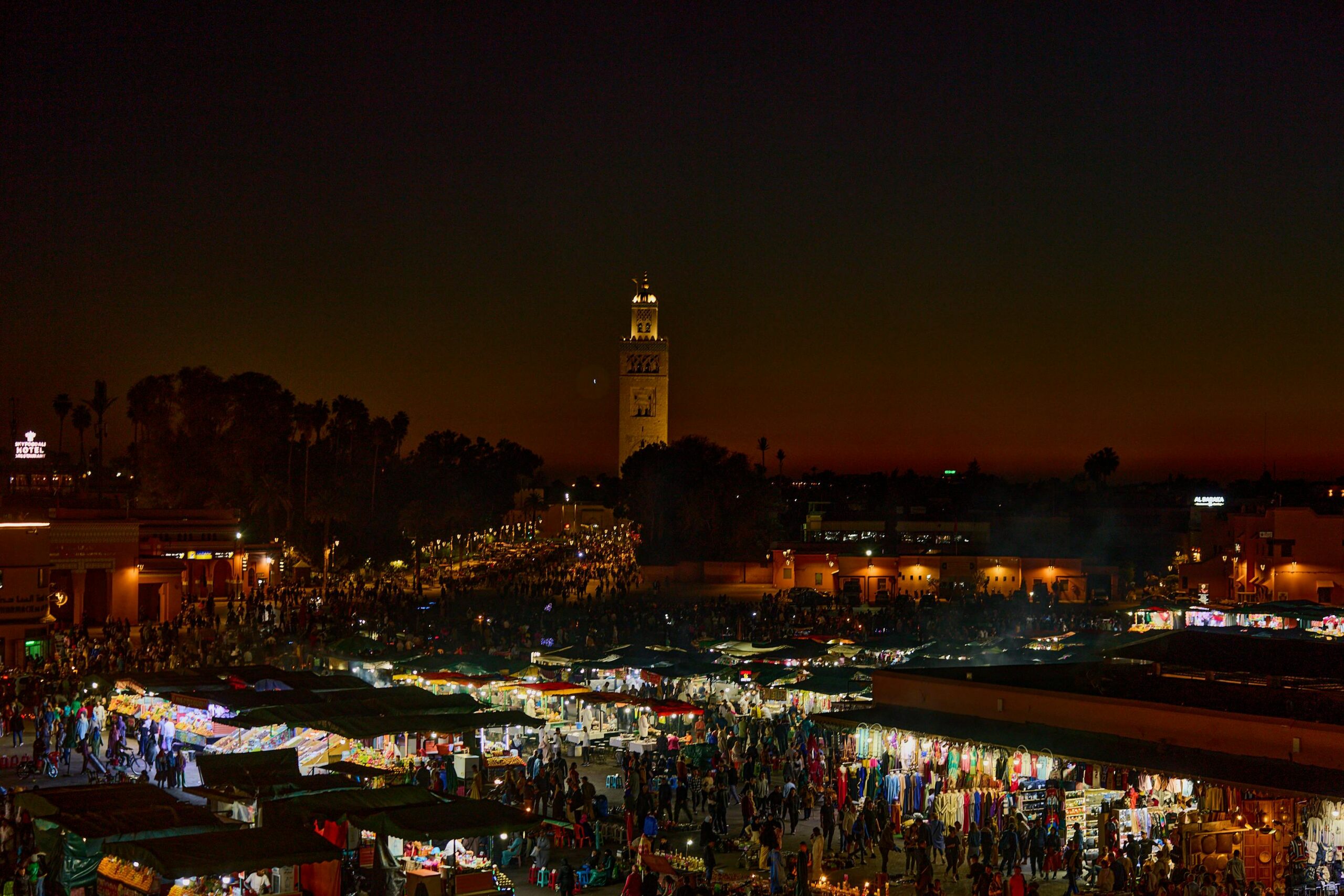
Known for its historic medina, vibrant souks, luxury riads, and famous Jemaa el-Fnaa square, the city has become one of the most photographed destinations in the world.
The city’s popularity has helped attract international hotel investment, luxury tourism brands, and major global events.
However, this success has also raised concerns about rising property prices, overcrowding, and pressure on local infrastructure.
The Rise of Alternative Destinations
One interesting development is Morocco’s effort to spread tourism beyond traditional hotspots.
Destinations gaining popularity include:
- Chefchaouen
- Tangier
- Agadir
- Fez
- Atlas Mountains
- Sahara Desert
Government tourism strategies increasingly promote lesser-known destinations to distribute economic benefits more evenly while reducing pressure on heavily visited areas.
Infrastructure Investments Are Accelerating
Morocco is not simply enjoying tourism growth—it is actively preparing for much larger visitor numbers.
The country has set a target of attracting 26 million tourists annually by 2030.
To support this ambition, Morocco is investing heavily in transportation infrastructure.
Recent plans include:
- Airport expansions
- Terminal modernization
- Increased airline capacity
- Road improvements
- Hotel development
- Tourism service upgrades
A major airport expansion program aims to increase national passenger capacity from 38 million to 80 million travelers annually by 2030.
The 2030 FIFA World Cup Effect
A major catalyst for future tourism growth is the upcoming 2030 FIFA World Cup.
Morocco will co-host the tournament alongside Spain and Portugal, placing the country in front of a massive global audience.
Historically, major sporting events often produce long-term tourism benefits through:
- International media exposure
- Infrastructure improvements
- Enhanced destination awareness
- Increased airline connectivity
- New hotel investments
Moroccan officials hope the World Cup will accelerate tourism growth well beyond the tournament itself.
Challenges of Success
Rapid tourism growth creates opportunities, but also challenges.
Overtourism Concerns
Popular destinations worldwide have struggled with overcrowding.
Morocco may face similar pressures if visitor numbers continue rising rapidly.
Potential issues include:
- Congested historic districts
- Increased waste generation
- Strain on transportation systems
- Pressure on local housing markets
Cultural Preservation
As tourism expands, maintaining authentic cultural experiences becomes increasingly important.
Local communities must balance economic opportunities with preserving traditions, architecture, and cultural identity.
Environmental Sustainability
Tourism growth can affect:
- Water resources
- Energy consumption
- Desert ecosystems
- Coastal environments
- Mountain communities
Sustainable tourism planning will likely become increasingly important as visitor numbers rise.
Digital Nomads and Long-Term Visitors
Another emerging trend is Morocco’s growing appeal among remote workers and digital nomads.
Several factors contribute to this:
- Lower living costs
- Good internet connectivity
- Favorable climate
- Proximity to Europe
- Rich cultural experiences
Cities such as Tangier and Marrakech are becoming increasingly popular among location-independent professionals seeking alternatives to traditional European hubs.
The Future of Moroccan Tourism
The country’s tourism trajectory suggests continued expansion.
With growing airline connectivity, infrastructure investments, international events, and strong global interest, Morocco appears well-positioned to remain one of the world’s fastest-growing tourism destinations.
The key challenge will be managing that growth responsibly.
The most successful tourism destinations of the future will not simply attract visitors—they will create sustainable systems that benefit residents, preserve cultural heritage, and protect natural resources.
The Bigger Picture
Morocco’s tourism surge represents more than a travel trend.
It reflects the country’s broader economic transformation and growing role in global tourism.
Record visitor numbers, expanding infrastructure, and international investments are helping reshape Morocco’s future. Yet the country’s greatest challenge may not be attracting tourists—it may be ensuring that tourism growth remains sustainable, inclusive, and beneficial for generations to come.
If managed effectively, Morocco could become one of the most successful examples of tourism-led development in the modern era.
Frequently Asked Questions (FAQ)
1. Why is tourism growing so quickly in Morocco?
Several factors are driving growth, including improved international flight connections, diverse tourism offerings, competitive pricing, expanded accommodation options, and increased global awareness of Morocco as a travel destination.
2. What are the most popular destinations in Morocco?
Popular destinations include Marrakech, Fez, Chefchaouen, Tangier, Agadir, the Atlas Mountains, and the Sahara Desert, each offering unique cultural, historical, and natural attractions.
3. How many tourists visited Morocco recently?
Morocco welcomed a record 19.8 million visitors in 2025, making it Africa’s most visited country. The nation aims to attract 26 million annual visitors by 2030.
4. How important is tourism to Morocco’s economy?
Tourism contributes roughly 7% of Morocco’s GDP and serves as a major source of employment, investment, and foreign currency earnings.
5. How will the 2030 FIFA World Cup affect Morocco’s tourism industry?
The World Cup is expected to boost international visibility, encourage infrastructure investments, expand airline networks, and generate long-term tourism growth beyond the tournament itself.
Sources Boston Globe

