
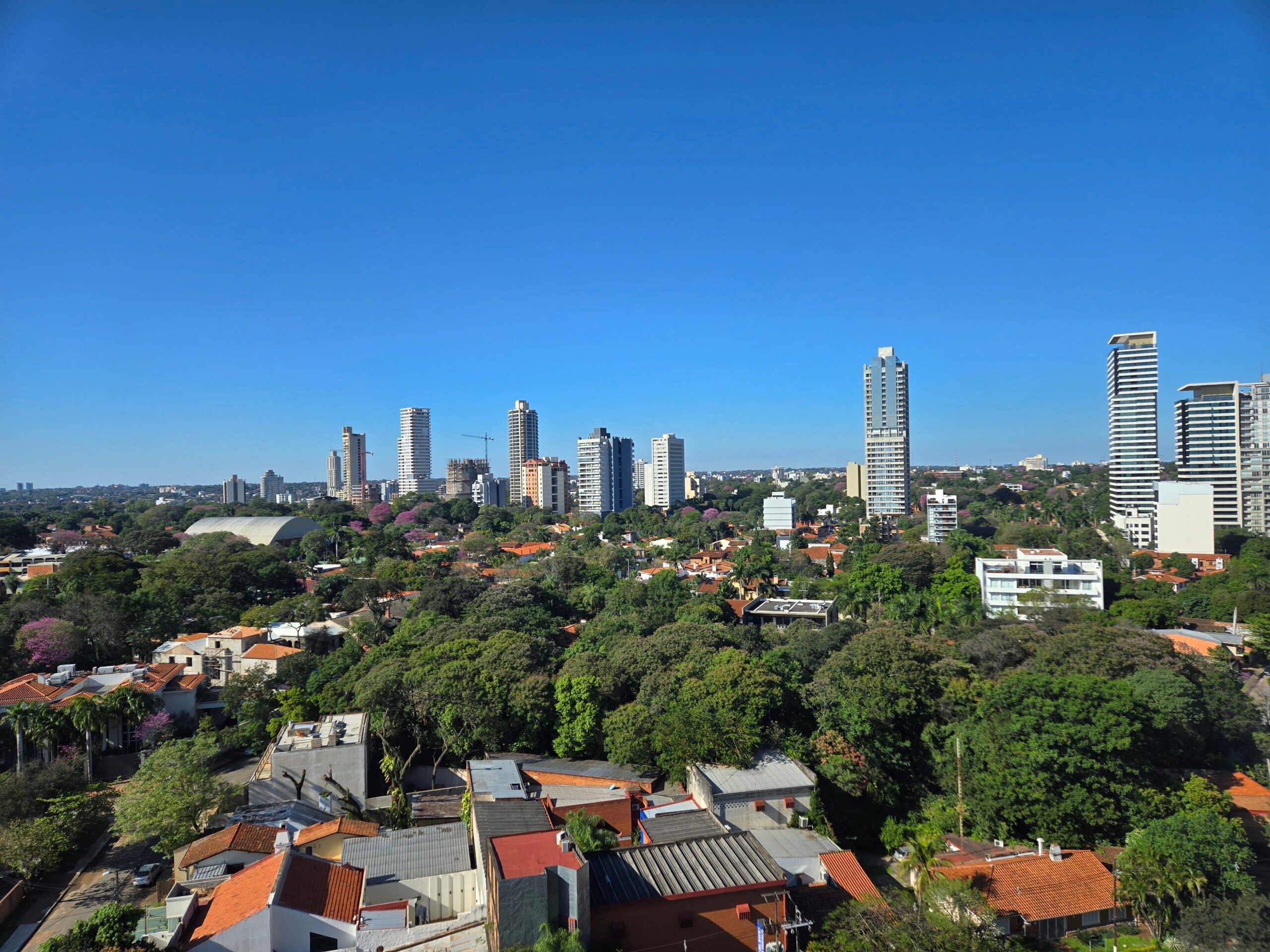
For decades, international tourism has been dominated by a familiar list of destinations: France, Spain, Italy, Thailand, the United States, and a handful of other tourism giants. However, 2026 is shaping up to be a turning point in global travel patterns.
According to the latest data from UN Tourism, international travel remains remarkably resilient despite geopolitical tensions, economic uncertainty, and rising transportation costs. During the first quarter of 2026, approximately 307 million people traveled internationally, representing a 2% increase over the same period in 2025.
What is particularly striking is where travelers are choosing to go.
Rather than simply returning to traditional hotspots, many tourists are seeking less crowded, more affordable, and more authentic experiences. As a result, countries such as Paraguay, Palau, Uzbekistan, Mongolia, El Salvador, and New Caledonia are experiencing some of the fastest tourism growth rates in the world.

Why Travelers Are Looking Beyond Traditional Destinations
The modern traveler is changing.
Several trends are driving demand for lesser-known destinations:
- Overtourism in major cities
- Rising travel costs
- Social media discovery
- Digital nomad lifestyles
- Demand for authentic cultural experiences
- Interest in sustainable tourism
- Improved international connectivity
Many travelers are becoming frustrated with overcrowded attractions, long queues, expensive accommodation, and highly commercialized experiences.
Instead of joining thousands of tourists at the same landmarks, many now seek destinations where they can experience local culture more directly and at a lower cost.
This shift is creating opportunities for countries that were previously overlooked by international tourism markets.
Paraguay: South America’s Hidden Gem
Among the fastest-growing destinations, Paraguay posted one of the strongest tourism growth rates globally, with arrivals increasing by approximately 46% in early 2026.
Unlike neighboring Brazil and Argentina, Paraguay has traditionally remained outside mainstream tourism itineraries.
However, travelers are increasingly discovering:
- Colonial architecture
- Eco-tourism opportunities
- River tourism
- Indigenous cultural heritage
- Lower travel costs
The capital, Asunción, offers a blend of historical attractions, modern development, and a slower pace of life compared with larger South American cities.
Paraguay’s relatively affordable prices are particularly attractive as inflation and travel expenses continue rising globally.
Palau: Paradise for Sustainable Tourism
Palau recorded tourism growth of approximately 37%, demonstrating increasing global interest in remote island destinations.
Located in the western Pacific Ocean, Palau is renowned for:
- Pristine coral reefs
- Marine biodiversity
- World-class diving
- Conservation programs
- Crystal-clear lagoons
Unlike many mass-tourism destinations, Palau has deliberately adopted a sustainability-focused tourism model.
The country introduced environmental protection measures, visitor education programs, and marine conservation initiatives designed to preserve its natural assets for future generations.
As environmentally conscious travel becomes more popular, Palau serves as a model for sustainable tourism development.
Uzbekistan: The Silk Road Revival
One of the most fascinating tourism success stories is Uzbekistan.
The country recorded tourism growth of approximately 37% during the first quarter of 2026.
Several factors have contributed to this rise:
Visa Reforms
Uzbekistan has simplified entry requirements for many international travelers.
Infrastructure Investment
The country has expanded airports, transportation systems, and tourism facilities.
Cultural Heritage
Historic Silk Road cities such as Samarkand, Bukhara, and Khiva attract visitors interested in history, architecture, and culture.
Competitive Pricing
Compared with many European destinations, Uzbekistan offers exceptional value for travelers.
As interest in cultural tourism grows, Uzbekistan is emerging as one of the most exciting destinations in Central Asia.
Mongolia: Adventure Tourism on the Rise
Another standout performer is Mongolia, which recorded approximately 39% tourism growth.
Mongolia appeals to travelers seeking:
- Vast landscapes
- Nomadic culture
- Outdoor adventure
- Wildlife experiences
- Unique festivals
The country’s open spaces provide a stark contrast to increasingly crowded tourism destinations elsewhere.
For many travelers, Mongolia represents the ultimate escape from urban life.

El Salvador’s Remarkable Tourism Transformation
Just a few years ago, El Salvador struggled with a reputation linked to crime and instability.
Today, the country is experiencing a tourism renaissance, recording approximately 43% visitor growth.
Contributing factors include:
- Improved security perceptions
- Surf tourism development
- Digital nomad initiatives
- Tourism infrastructure investment
- International marketing campaigns
El Salvador’s transformation demonstrates how policy changes can dramatically reshape tourism demand.
The Impact of Geopolitical Events on Travel Choices
Another factor influencing tourism flows in 2026 is geopolitical uncertainty.
UN Tourism experts note that conflict in the Middle East has affected travel demand, flight networks, and traveler confidence. The organization estimates that the conflict could reduce global tourism growth by one to two percentage points compared with earlier forecasts.
Higher oil prices and increased aviation costs are also influencing traveler behavior.
As a result, many tourists are:
- Seeking better value
- Choosing alternative destinations
- Traveling closer to home
- Prioritizing perceived safety and stability
Countries outside traditional tourism circuits are benefiting from this redistribution of travel demand.
The Digital Nomad Effect
One important trend often overlooked in tourism statistics is the rise of remote work.
Digital nomads are increasingly choosing destinations that offer:
- Affordable living costs
- Reliable internet
- Cultural experiences
- Long-stay visa options
Countries such as Uzbekistan and El Salvador have actively positioned themselves to attract remote workers and long-term travelers.
Unlike traditional tourists who stay for a week or two, digital nomads often remain for months, generating sustained economic benefits for local communities.
Sustainability Is Becoming a Competitive Advantage
The future of tourism may not belong to the destinations that attract the most visitors.
Instead, success may increasingly depend on sustainability.
Travelers are paying greater attention to:
- Environmental conservation
- Local economic impact
- Cultural preservation
- Responsible tourism practices
Destinations such as Palau have demonstrated that protecting natural resources can strengthen tourism appeal rather than limit growth.
This represents a significant shift from traditional tourism development models focused primarily on increasing visitor numbers.
Challenges Facing Emerging Destinations
Rapid growth also brings risks.
Emerging destinations must address:
Infrastructure Capacity
Airports, roads, and accommodations must keep pace with visitor growth.
Environmental Protection
Natural attractions can be damaged by excessive tourism.
Cultural Preservation
Local traditions and communities may face commercialization pressures.
Workforce Development
Tourism industries require trained hospitality professionals.
Without careful planning, today’s hidden gems could face the same overtourism challenges seen in destinations such as Barcelona, Venice, and Bali.
The Future of Global Tourism
The tourism industry is becoming increasingly decentralized.
Instead of concentrating visitors in a small number of iconic destinations, travelers are spreading across a wider range of countries and regions.
Technology, social media, changing traveler preferences, and improved global connectivity are accelerating this shift.
For emerging destinations, the opportunity is enormous.
Countries that successfully balance growth, sustainability, authenticity, and infrastructure development could become the tourism success stories of the next decade.
Frequently Asked Questions (FAQ)
1. Why are travelers choosing lesser-known destinations in 2026?
Many travelers are seeking better value, fewer crowds, authentic cultural experiences, and alternatives to overtouristed destinations. Rising travel costs and geopolitical uncertainty are also influencing decisions.
2. Which countries recorded the fastest tourism growth in early 2026?
Among the top performers were Paraguay (+46%), New Caledonia (+45%), El Salvador (+43%), Mongolia (+39%), Palau (+37%), and Uzbekistan (+37%).
3. Why is Uzbekistan becoming more popular?
Visa reforms, improved infrastructure, rich Silk Road heritage, and affordable travel costs have made Uzbekistan increasingly attractive to international visitors.
4. What makes Palau unique?
Palau is known for its marine biodiversity, sustainable tourism policies, world-class diving, and commitment to environmental conservation.
5. Is tourism still growing globally despite geopolitical tensions?
Yes. International tourist arrivals increased by approximately 2% during the first quarter of 2026, reaching about 307 million travelers worldwide.
6. What role do digital nomads play in tourism growth?
Digital nomads contribute to local economies through long-term stays, housing rentals, food spending, and participation in local services, making them an increasingly valuable segment for emerging destinations.
7. What challenges do rapidly growing tourism destinations face?
Key challenges include infrastructure development, environmental protection, cultural preservation, workforce training, and preventing overtourism.
8. Will lesser-known destinations continue gaining popularity?
Current tourism trends suggest yes. Travelers increasingly prioritize authenticity, sustainability, affordability, and unique experiences, all of which favor emerging destinations.

Sources Euro News

