
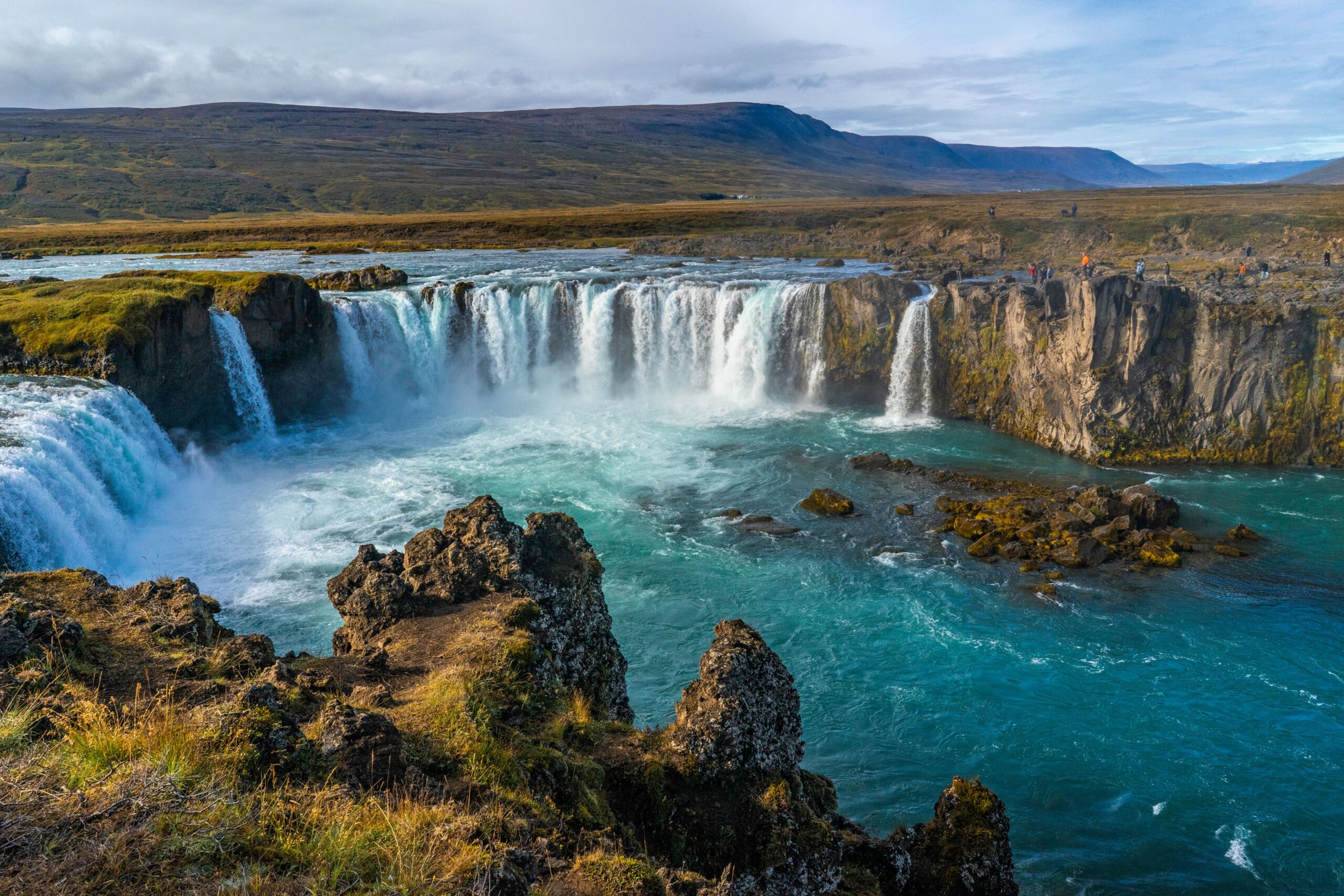
For much of the past decade, Iceland has been one of the world’s most remarkable tourism success stories. A country of fewer than 400,000 residents transformed into a global travel hotspot, attracting millions of visitors eager to experience volcanoes, glaciers, waterfalls, geothermal lagoons, and the Northern Lights.
Yet in 2026, Iceland’s tourism strategy is undergoing a significant shift.
The country’s goal is no longer simply to attract more visitors. Instead, policymakers, tourism authorities, and industry leaders are increasingly focused on attracting the right visitors—those who stay longer, spend more, travel responsibly, and help distribute tourism benefits across the country.
This strategic evolution reflects a growing realization that sustainable tourism may be more valuable than unlimited growth.
How Iceland Became a Global Tourism Phenomenon
Only two decades ago, Iceland was considered a niche destination.
Several factors fueled its tourism explosion:
- Increased international flight connectivity
- Growth of low-cost airlines
- Social media exposure
- Popular film and television productions
- Volcanic tourism
- Rising interest in adventure travel
- The country’s reputation for safety
The 2010 eruption of the volcano Eyjafjallajökull unexpectedly introduced millions of people to Iceland’s dramatic landscapes. What initially disrupted European air travel ultimately helped place Iceland firmly on the global tourism map.
Soon afterward, destinations such as Blue Lagoon, Golden Circle, and Reykjavík became internationally recognized attractions.
The Challenge of Overtourism
Success brought new challenges.
As visitor numbers climbed, concerns emerged about:
- Environmental degradation
- Infrastructure strain
- Housing shortages
- Traffic congestion
- Pressure on natural attractions
- Rising costs for residents
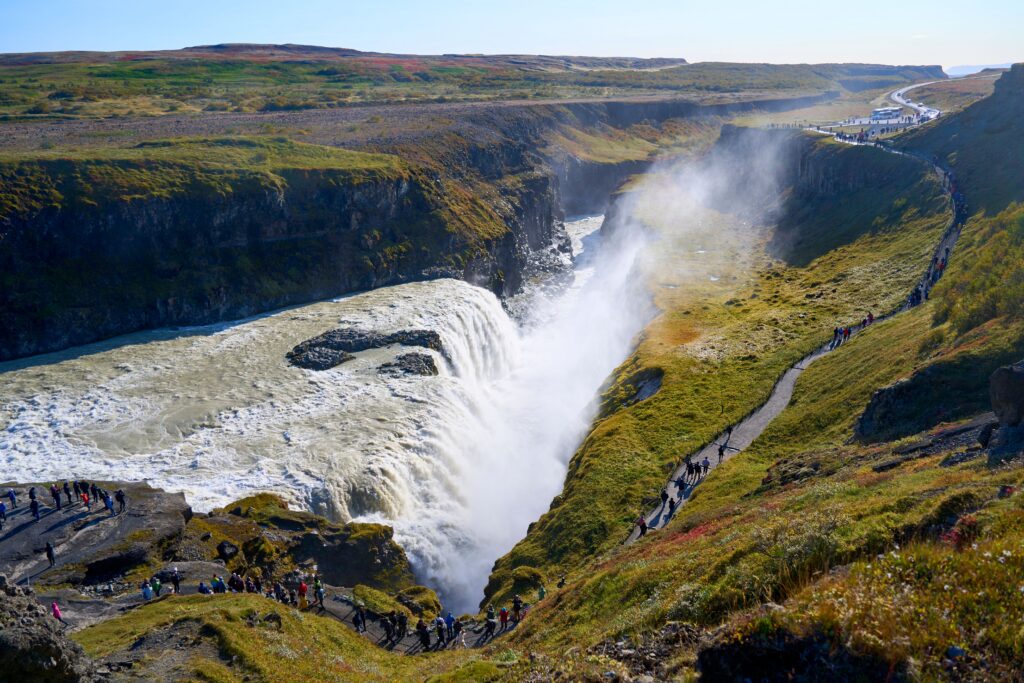
Some of Iceland’s most famous sites experienced unprecedented visitor volumes.
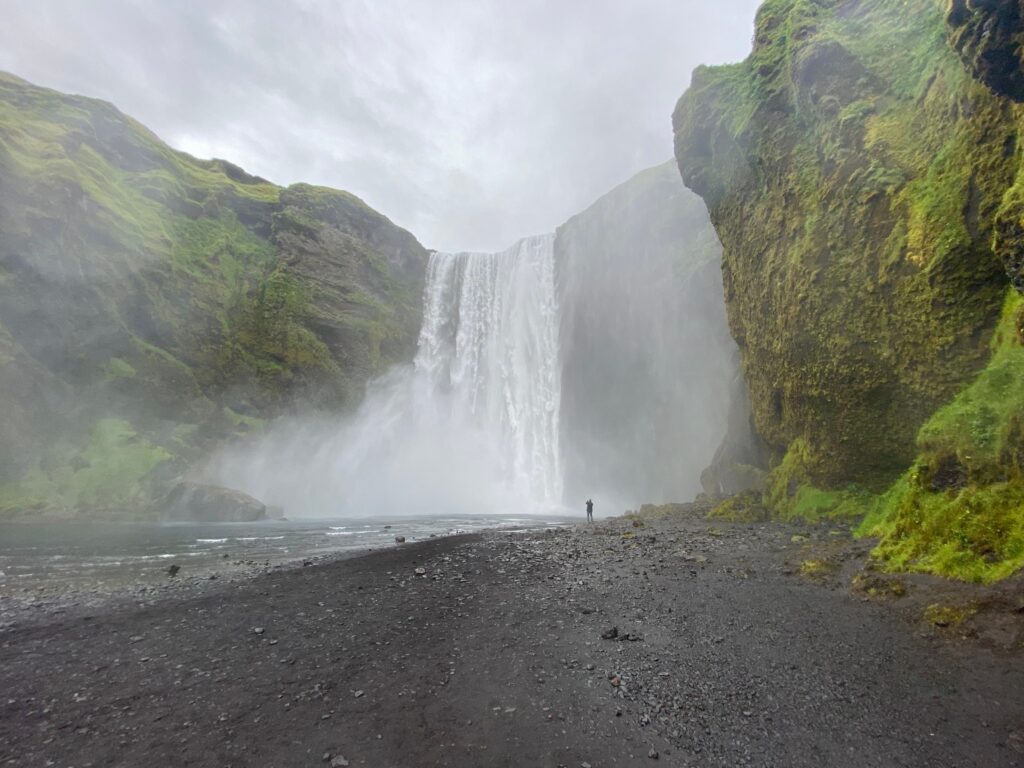
Popular waterfalls, geothermal areas, hiking trails, and black-sand beaches occasionally struggled to accommodate growing numbers of tourists.
The issue was not unique to Iceland. Destinations across Europe—including Venice, Barcelona, and Amsterdam—have faced similar concerns about balancing tourism growth with local quality of life.
Why Iceland’s Strategy Is Changing
The tourism sector remains one of Iceland’s most important economic engines.
However, many experts now argue that tourism success should not be measured solely by arrival numbers.
Instead, Iceland is increasingly focusing on:
- Visitor spending
- Length of stay
- Regional distribution
- Environmental impact
- Community benefits
- Infrastructure sustainability
The goal is to maximize economic value while minimizing negative consequences.
This represents a broader trend occurring worldwide as destinations reconsider traditional tourism growth models.
The Rise of High-Value Tourism
One of Iceland’s key objectives is encouraging higher-value tourism.
This does not necessarily mean catering exclusively to luxury travelers.
Rather, it means attracting visitors who:
- Stay longer
- Explore multiple regions
- Support local businesses
- Participate in guided experiences
- Travel outside peak seasons
A traveler spending ten days exploring remote regions may generate more local economic benefits than someone visiting only Reykjavík for a weekend.
This approach allows Iceland to increase tourism revenue without requiring dramatic increases in visitor numbers.
Spreading Tourists Beyond Reykjavík
Historically, a large share of tourists concentrated their visits in a relatively small area.
The most heavily visited destinations include:
- Reykjavík
- The Golden Circle
- The Blue Lagoon
- Iceland’s South Coast
As a result, other regions often receive fewer tourism benefits.
Authorities are increasingly promoting:
- Eastfjords adventures
- Northern Iceland experiences
- Highland expeditions
- Rural cultural tourism
- Lesser-known geothermal areas
Greater regional distribution can reduce pressure on overcrowded attractions while supporting economic development in smaller communities.
Climate Change Is Reshaping Tourism
Climate change presents both opportunities and challenges for Iceland.
The country is witnessing:
- Glacier retreat
- Changing weather patterns
- Coastal impacts
- Ecosystem shifts
Some glaciers that attract tourists today may shrink significantly over the coming decades.
At the same time, growing global interest in climate-related travel has increased demand for destinations where visitors can observe environmental change firsthand.
This creates a complex situation in which tourism both benefits from and is affected by climate realities.
Infrastructure Investment Becomes Essential
Tourism growth requires infrastructure.
Iceland continues investing in:
- Roads
- Airports
- Visitor centers
- Hiking facilities
- Waste management systems
- Environmental protection measures
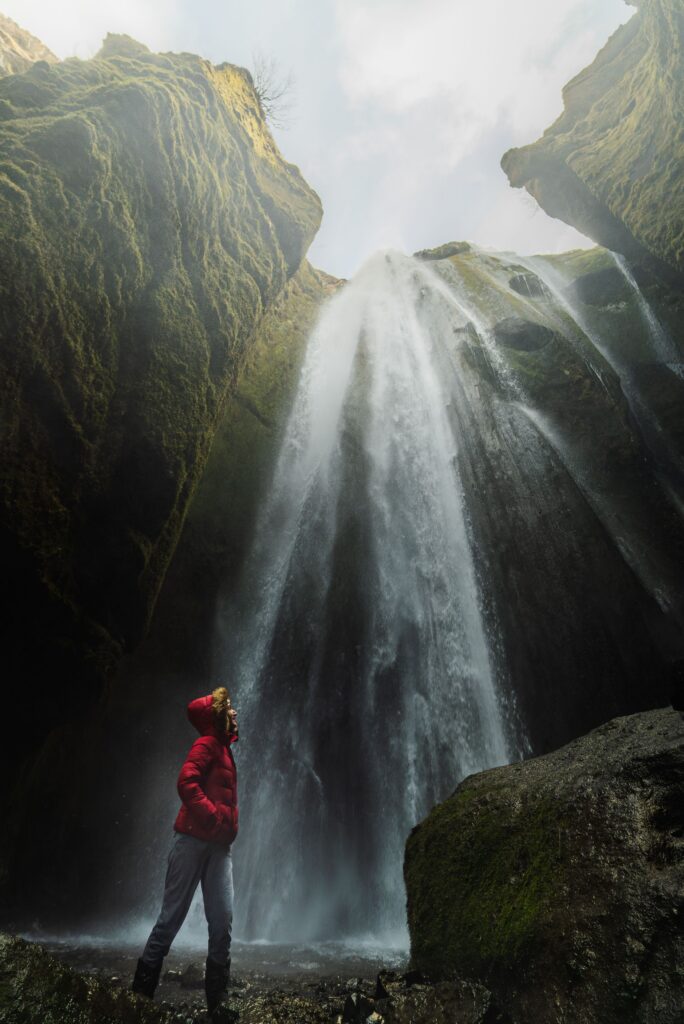
Maintaining remote attractions safely is particularly challenging due to Iceland’s rugged geography and harsh weather conditions.
Infrastructure investments help protect both visitors and natural environments.
The Economic Importance of Tourism
Tourism plays a central role in Iceland’s economy.
The industry supports:
- Hotels
- Restaurants
- Transportation companies
- Tour operators
- Retail businesses
- Cultural institutions
It also generates significant foreign currency earnings.
For many rural communities, tourism provides opportunities that may not otherwise exist, helping diversify local economies and reduce dependence on traditional industries.
Protecting Nature While Promoting Tourism
Iceland’s natural landscapes are its greatest tourism asset.
That creates a unique responsibility.
Popular destinations must be protected from:
- Trail erosion
- Habitat disturbance
- Waste accumulation
- Off-road driving damage
- Overcrowding
Conservation efforts increasingly include:
- Visitor education
- Managed access programs
- Protected-area investments
- Sustainable infrastructure development
The long-term success of Icelandic tourism depends on preserving the very environments that attract visitors.
Technology Is Helping Manage Visitor Flows
Modern tourism management increasingly relies on technology.
Authorities and tourism operators use data to monitor:
- Visitor numbers
- Seasonal demand
- Traffic patterns
- Accommodation occupancy
- Environmental pressures
These insights help planners make more informed decisions about infrastructure and resource allocation.
Data-driven tourism management may become one of the most important tools for sustainable growth.
Tourism Beyond the Northern Lights
While the Northern Lights remain one of Iceland’s biggest attractions, the country is expanding its tourism identity.
Emerging experiences include:
- Culinary tourism
- Wellness travel
- Geothermal experiences
- Wildlife watching
- Cultural festivals
- Adventure sports
- Scientific and educational tourism
Diversification helps reduce seasonal fluctuations and broadens Iceland’s appeal to different types of travelers.
What Other Countries Can Learn from Iceland
Iceland’s evolving tourism strategy offers lessons for destinations worldwide.
Instead of pursuing unlimited growth, policymakers increasingly recognize the importance of:
- Sustainable visitor management
- Community engagement
- Environmental stewardship
- Economic resilience
- Long-term planning
The focus is shifting from quantity to quality.
For many destinations, that may represent the future of tourism development.
The Next Chapter of Icelandic Tourism
Iceland’s tourism boom is far from over.
In fact, the industry remains one of the country’s strongest economic sectors.
What is changing is the definition of success.
Rather than chasing ever-higher visitor numbers, Iceland is attempting to build a tourism model that balances economic growth, environmental protection, and community well-being.
If successful, the country could become a global example of how tourism destinations can thrive without sacrificing the natural and cultural assets that made them attractive in the first place.
For travelers, that means Iceland is likely to remain one of the world’s most compelling destinations—just one that is increasingly focused on sustainability, authenticity, and long-term stewardship.
Frequently Asked Questions (FAQs)
1. Why is Iceland changing its tourism strategy?
Iceland is shifting from prioritizing visitor growth to emphasizing sustainable tourism, higher visitor spending, longer stays, environmental protection, and broader economic benefits.
2. Is Iceland still experiencing tourism growth?
Yes. Tourism remains a major contributor to Iceland’s economy, but the focus is increasingly on managing growth responsibly rather than maximizing arrival numbers alone.
3. What is high-value tourism?
High-value tourism refers to visitors who stay longer, spend more within local communities, travel responsibly, and contribute greater economic benefits without significantly increasing environmental pressures.
4. How does tourism affect Iceland’s environment?
Tourism can contribute to trail erosion, habitat disturbance, waste generation, and infrastructure strain. Effective management and conservation efforts help reduce these impacts.
5. What regions of Iceland are being promoted beyond Reykjavík?
Authorities are encouraging visitors to explore areas such as the Eastfjords, Northern Iceland, the Highlands, rural communities, and lesser-known geothermal and cultural destinations to reduce overcrowding and distribute tourism benefits more evenly.
Sources Forbes

