
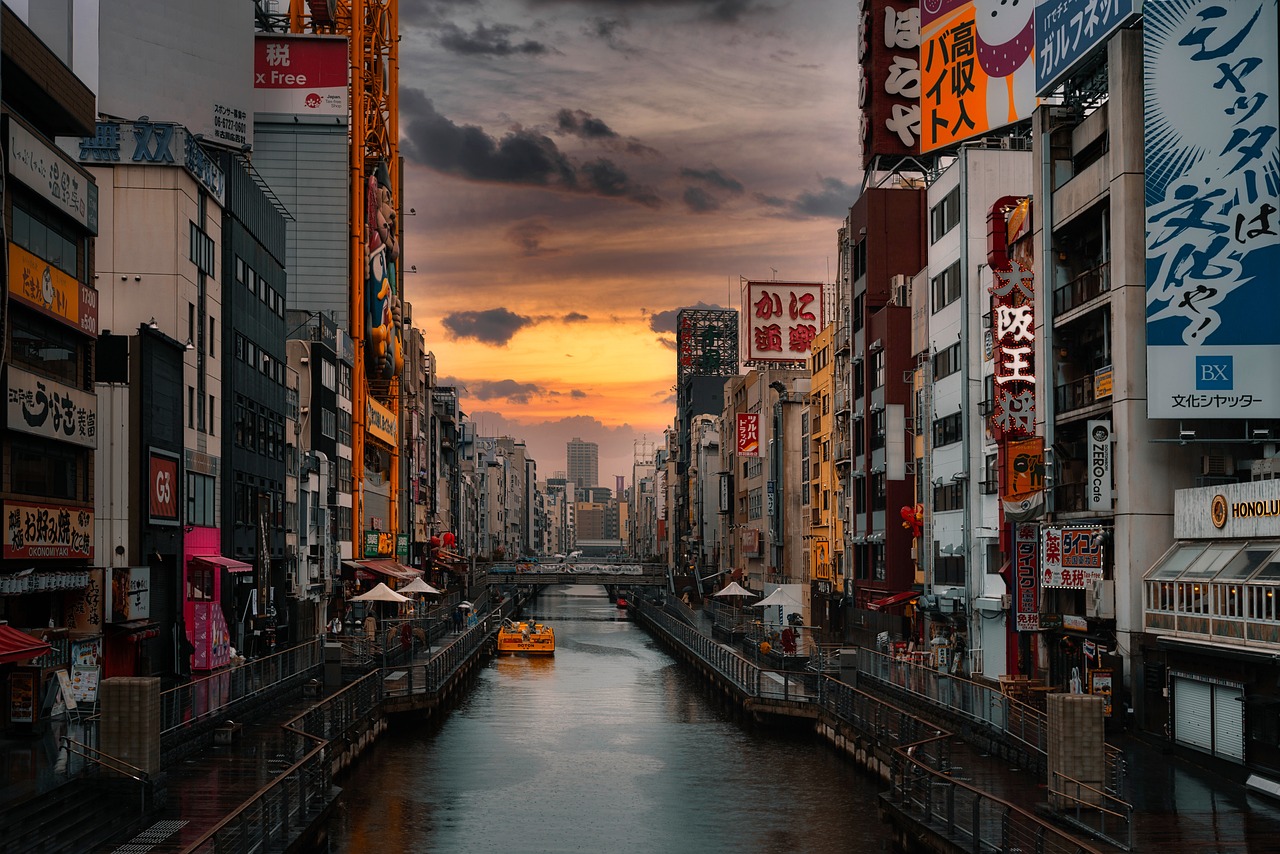
Japan’s tourism industry has surged to historic highs in 2025, yet a peculiar challenge is arising: viral rumors predicting a catastrophic “megaquake” this July have led to cancellations—especially among Hong Kong visitors—revealing how fragile travel confidence can be in the digital era.
📊 1. Tourism Boom Meets Digital Panic
- Record-breaking arrivals: Japan welcomed a remarkable 21.5 million visitors in the first half of 2025—a 21% increase year-over-year—highlighting the sector’s full recovery from the post-pandemic trough.
- Flight and booking slowdown: However, Hong Kong tourist numbers dropped between 10–15% in May alone, prompting airlines to suspend routes amid low demand. Some travel agencies reported up to a 50% decline from that market.
👹 2. Myth Meets Reality — The Power of a Manga
- A reprinted 1999 manga titled “The Future I Saw” warned of a massive earthquake and tsunami striking Japan on July 5, 2025, echoing eerily true scenes from the 2011 Tōhoku disaster.
- Despite warnings from the Japan Meteorological Agency and seismic experts—who emphasized that earthquake timing cannot be scientifically predicted—the manga’s imagery stirred widespread anxiety.
- Social media platforms amplified this fear, especially in superstitious or high-risk-aware regions like Hong Kong, Taiwan, and parts of Southeast Asia.
🧭 3. Lessons from Past Shocks
- The 2011 Tōhoku earthquake caused inbound tourism to plunge by around 73% in March, with full-year arrivals slumping by 28%.
- However, recovery was robust—thanks to targeted government campaigns, improved infrastructure, and transparent communication.
🔧 4. Why This Matters — Beyond Numbers
- Digital misinformation works fast: Unlike natural disasters, rumors travel globally within hours—damaging visitor trust in real time.
- Economic divergence: While overall tourism remains strong, localized downturns can hurt airlines, hotels, and travel services centered on specific markets like Hong Kong.
- Credibility is crucial: Authorities must balance vigilance about natural risks with proactive debunking of false threats to sustain confidence.
💡 5. Steps to Strengthen Resilience
- Rapid, unified messaging: The JMA, local governments, embassies, and tour groups should coordinate real-time updates and assurances.
- Insurance safeguards: Offering “event cancellation” cover tied to natural disasters can rebuild traveler confidence.
- Diversify source markets: As Japan targets India, Southeast Asia, and Europe, dependence on any single region’s perceptions decreases.
- Transparent data sharing: Monitoring travel intent and cancellations helps pre-empt and counter future rumor outbreaks.
❓ Frequently Asked Questions
Q1: Are these quake rumors based on anything real?
No. The rumored disaster stems from a fictional manga. Seismologists confirm there is no credible prediction for the specific July 5 quake.
Q2: How widespread is the impact?
The decline is most pronounced among tourists from Hong Kong—some markets saw flight reductions and tour cancellations by 50%. Other source regions remain strong.
Q3: Is Japan genuinely safer or riskier than before?
Japan remains in a seismically active zone. While long-term risk mitigation is ongoing, nothing indicates an imminent large-scale quake. Preparedness—not panic—is the key.
Q4: When will tourism rebound fully?
Estimates vary—once false rumors fade and airline routes resume, recovery could occur within 1–2 months, much like after past scares.
Q5: What can travelers do?
Use official advisories, consider travel insurance, avoid last-minute panic-driven cancellations, and maintain awareness without alarm.
🧭 Final Take
Japan’s tourism renaissance in 2025 showcases robust post-pandemic recovery—but rumor-driven fear poses a new threat. Misinformation can hit quickly, exploiting public anxieties about disasters. For Japan, resilience now lies in swift crisis communication, diversified marketing, and reassurances rooted in science—not fiction.
Sources The Japan Times

