
Imagine if your doctor could write a prescription not for pills or therapy, but for a trip. That’s precisely the idea behind a bold new tourism initiative launched in a European country regularly ranked among the happiest in the region: doctors are being invited to “prescribe” travel as part of a wellness regimen. The campaign frames certain travel experiences as beneficial for mental and physical health — a fusion of public health, experiential tourism, and branding.

The campaign, known colloquially as the “travel prescription”, is being spearheaded by the national tourism board in collaboration with health institutions, aiming to position the country not just as a scenic destination, but as a therapeutic one.
This initiative signals a shift in how we think of travel — from leisure or escapism to a legitimate factor in well‑being strategies.
Which Country Is Behind It — and Why It’s Plausible
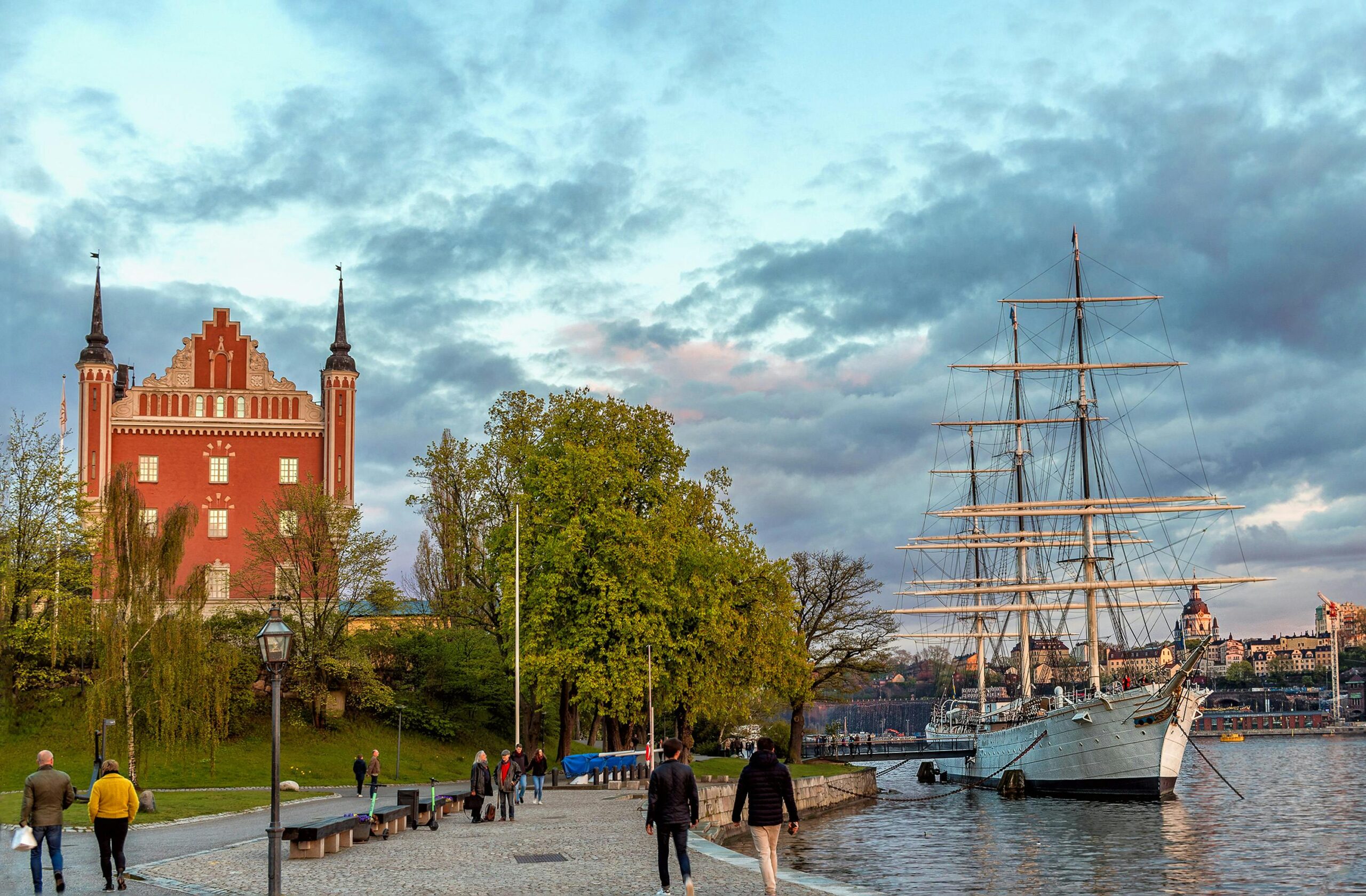
The country in question is Sweden, one of Europe’s consistently high-ranking “happiest” nations. Sweden has a long cultural reputation for valuing work-life balance, nature access, public welfare, and social trust — elements that often correlate with subjective well-being.
Sweden’s tourism board is leveraging this reputation. The “Swedish Prescription” campaign encourages physicians to offer patients a “travel prescription” for certain wellness, stress-relief, or mental-health needs — a symbolic, advisory “prescription” (not a medical order). The idea is that visiting Sweden — enjoying its forests, lakes, slow rhythms, or wellness-oriented attractions — might constitute a form of preventive health care or recuperative therapy.
It is a branding and positioning effort as much as a public health gesture.
What the Initial Campaign Has Announced (and What Is Yet Unclear)
Known elements
- Physicians are being invited to participate in the campaign by suggesting travel to Sweden as part of a lifestyle or recovery plan.
- The campaign ties into research or messaging about how nature, fresh air, forest bathing (“friluftsliv”), quiet environments, and slower pace contribute to mental and physical health.
- It uses Sweden’s high “happiness” reputation in global indices as part of the rationale — the logic being: if a country is consistently rated as among the happiest, its environment may offer restorative benefits.
- Tourism offerings likely to be emphasized include nature retreats, wellness stays, spa and sauna experiences, rural and forest destinations, outdoor recreation, and cultural immersion.
Unclear or not yet disclosed
- The precise medical criteria under which doctors might “prescribe” travel (which conditions, what duration or intensity).
- Whether there will be integration with health insurance, or subsidized travel for selected patients.
- How the campaign will be evaluated — i.e. measuring health outcomes, tourist conversion, cost-benefit analyses.
- The logistical coordination between healthcare providers, tourism operators, and infrastructure to absorb potential demand from health‑motivated travelers.
- Whether this campaign is purely symbolic (marketing) or has substantive backing (funding, policy incentives, grants for “health travel” packages).
Why This Campaign Is Especially Interesting (and Risky)
A fusion of tourism, branding, and preventive health
This is not merely tourism marketing; it touches on how governments might deploy “soft interventions” to promote well-being. If successful, the model could be replicated by other nations that already have “wellness tourism” ambitions (e.g. some parts of Southeast Asia, Switzerland, Iceland).
In effect, the campaign is saying: “Our landscape, climate, cultural norms, environment, and social fabric are health assets — come and absorb them.”
Potential upsides
- Differentiation: It gives Sweden a branding edge in the saturated tourism market — not just “visit me,” but “visit me to heal.”
- Longer stays, higher-value tourism: Health-motivated travelers may stay longer, spend more on wellness, nature, boutique lodgings, less on mass tourism.
- Dispersal: Such tourists may prefer quieter, rural, restorative areas rather than congested city hotspots, helping distribute tourism more evenly.
- Synergy with domestic public health: If the messaging persuades Swedes themselves to take restorative stays, it may support preventive care or mental health promotion.
Potential pitfalls and criticisms
- Medicalization of tourism: Critics might argue it exaggerates the health benefits of travel or uses medical legitimacy for marketing.
- Inequity or exclusion: If prescriptions are voluntary and expensive, they may serve well-off travelers rather than those who might benefit most.
- Overtourism or infrastructure stress: If the campaign succeeds too well without capacity planning, it could strain rural areas or fragile ecosystems.
- Effect skepticism: It may be challenging to robustly prove that a vacation in Sweden causes measurable health improvements, given confounding variables.
- Ethical and regulatory boundary blurring: Health professionals prescribing nonmedical interventions must navigate ethical, regulatory, and liability considerations.

Context: Wellness and “Prescribed Travel” in Tourism Trends
This is part of a broader movement — “wellness tourism” has grown rapidly over the past decade, with travelers seeking retreats, spa escapes, digital detoxes, forest immersions, mindfulness, etc. But usually that choice is consumer-driven. What this Swedish campaign attempts is more proactive: offering health-motivated tourism via the authority of medical recommendation.
Other countries have flirted with the idea of “nature prescriptions” (doctors recommending time in parks or green spaces), but prescribing travel across borders is more unusual. It blends public health, tourism economics, place branding, and wellness culture in a provocative way.
What Success or Failure Would Look Like
Success indicators might include:
- Number of physicians engaging in recommending travel
- Uptick in tourism arrivals/profiles aligned with wellness/nature segments
- Longer average stays and spending in wellness or rural areas
- Measurable improvements (in pilot studies) in patient well-being metrics
- Positive media, global replication, and positioning Sweden as a wellness destination
Failure or backfire risks include:
- Low physician participation (few willing to formally recommend travel)
- Minimal measurable health impact (or negative cost-benefit results)
- Public perception that it’s a gimmick or marketing stunt
- Infrastructure overreach in fragile or remote locales
- Conflict between tourism promotion and environmental sustainability
Frequently Asked Questions (FAQ)
Q: Which country is running the “travel prescription” campaign?
Sweden is the country launching the “prescribed travel” initiative under the moniker “The Swedish Prescription.”
Q: Is this a real medical prescription or just symbolic?
It is symbolic in nature. It is not legally enforceable or covered by medical insurance. It functions as a lifestyle suggestion or wellness recommendation, rather than a prescription for drugs or clinical treatment.
Q: Why Sweden? What makes it a “happy country”?
Sweden frequently ranks high on European happiness or life satisfaction indices, owing to its social welfare systems, access to nature, trust levels, equality, and quality of life norms. Sweden’s reputation supports the narrative that travel there might be beneficial for wellness.
Q: Will travel prescribed in this way be subsidized or paid by health systems?
As of now, there is no indication that health systems will cover it. The campaign is primarily a marketing and wellness‑branding initiative — though future integration with policy or subsidies could be considered if pilot tests show benefits.
Q: Which tourists might this appeal to?
Likely higher-income travelers, wellness tourists, nature seekers, people in stressed or urban environments looking for recovery retreats, and those already health-motivated.
Q: Could this help rural or lesser-known destinations?
Yes — since health tourism demand might favor quieter, restorative environments, rural areas and nature zones might benefit, helping to disperse tourism away from overcrowded city centers.
Q: How would the impact on health be measured?
Through pilot studies (before/after metrics), patient self-reports (stress, mood, well-being), health outcomes (where applicable), and tourism arrival/spending analytics. But isolating causality is hard.
Q: Could this idea spread to other countries?
Potentially yes. Other nations with strong natural, wellness, or reputation assets might adopt similar strategies — blending tourism, branding, and public health messaging.
Q: What are ethical concerns?
Some worry about commercializing health, overselling benefits of travel, or giving undue medical legitimacy to tourism. Also, equity concerns: such a campaign might mainly serve affluent travelers.
Q: What is the biggest challenge for the campaign’s success?
Physician buy-in (doctors must be willing to participate), evidencing health benefit, ensuring capacity and sustainability, and balancing between marketing and meaningful wellness outcomes.

Sources Euro News

