
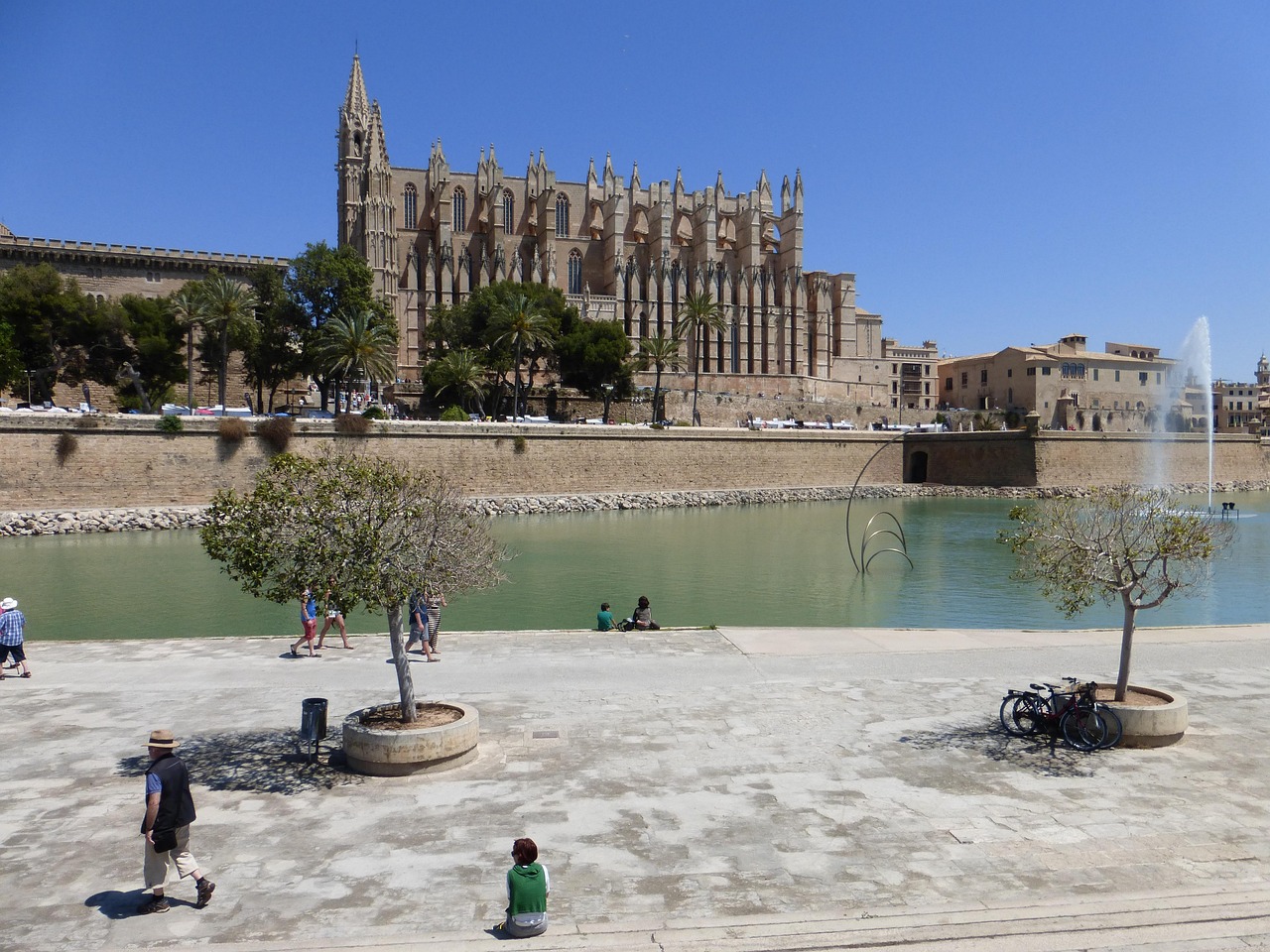
Mallorca, the crown jewel of Spain’s Balearic Islands, has long been a symbol of Mediterranean paradise — turquoise waters, palm-lined promenades, and centuries-old towns shimmering under the sun. But today, the island stands at the epicenter of a global debate reshaping modern tourism: overtourism.
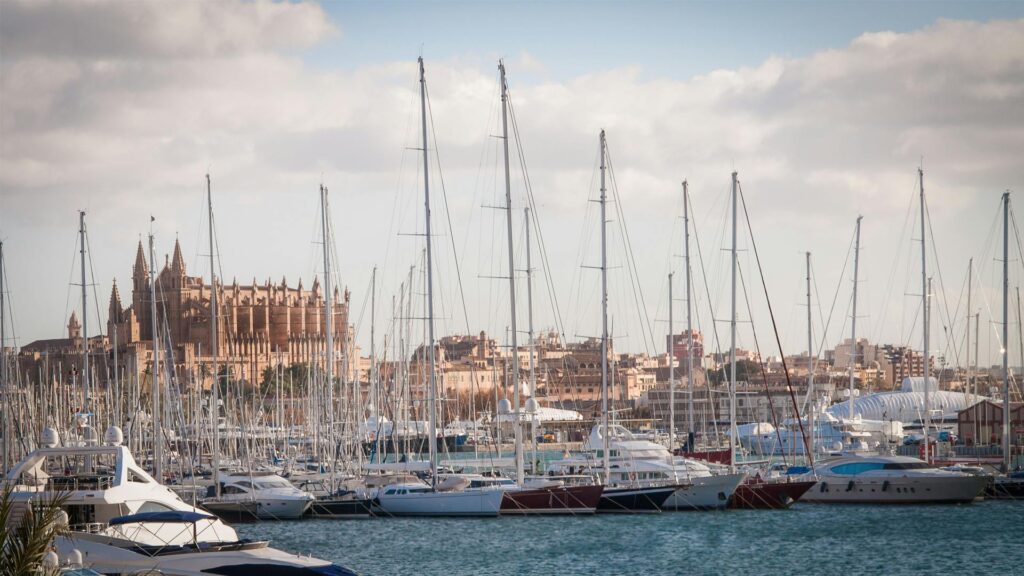
At the recent ABTA Convention (the UK travel industry’s annual gathering), held in Calvià — home to the infamous nightlife hub of Magaluf — industry leaders, policymakers, and residents confronted the stark reality of what happens when paradise becomes overcrowded.
The Paradox of Paradise
Mallorca welcomed over 3.5 million UK visitors last year, a figure that bolsters its economy but strains its communities. While tourism makes up around 45% of the island’s GDP, it also drives soaring rents, congestion, and environmental degradation.
In the party district of Magaluf, the tension is visible — and audible. Streets lined with British pubs and neon bars echo through the night. Despite newly planted palm trees and luxury seafront resorts, the “strip” remains infamous for rowdy crowds, cheap alcohol, and, as one local says, “a mess after 2 a.m.”
Mallorca’s dilemma is universal: how can a destination sustain tourism without being consumed by it?
A Divided Industry
At the ABTA conference, opinions were sharply split.
- Some executives argued for a focus on quality over quantity, attracting wealthier, longer-stay tourists who spend more and respect local culture.
- Others, like Jet2 CEO Steve Heapy, criticized this approach, calling it elitist: “Why should holidays only be available to a certain subset of people?”
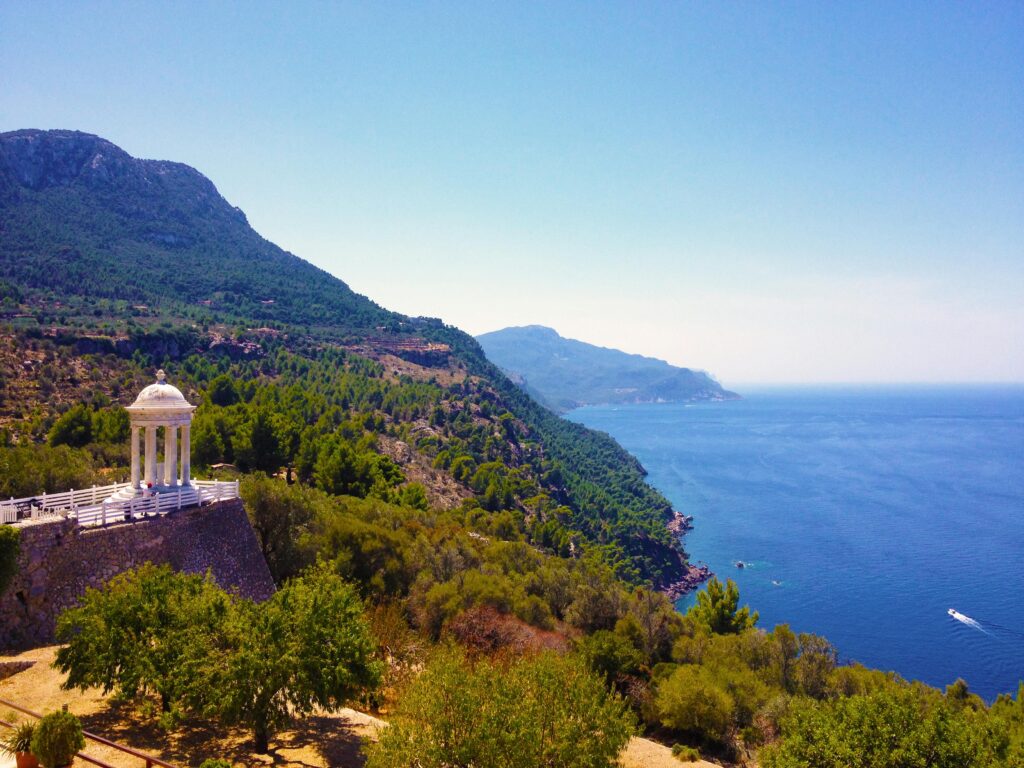
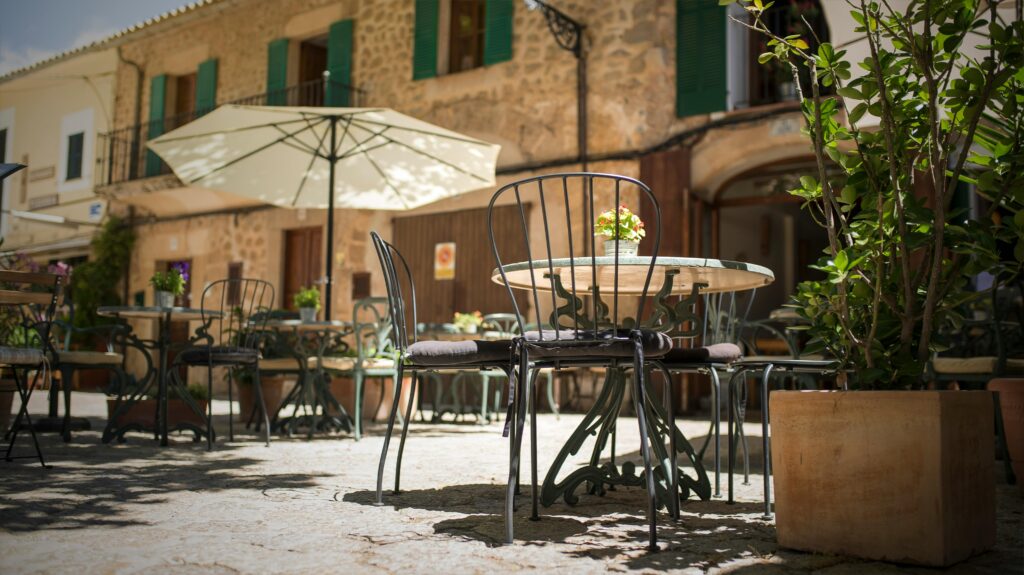
Spain’s tourism authorities are pushing “slow tourism” — encouraging visitors to explore inland regions, enjoy traditional crafts, and try activities like olive oil tasting (“oleotourism”) and stargazing (“astrotourism”). The goal: reduce pressure on coastal hotspots while spreading income across the country.
But this transition isn’t simple. Many local businesses depend on high-volume, budget travelers — the very visitors the new strategy aims to deter.
The Social Strain
In June 2025, thousands of Mallorcans took to the streets demanding action against overtourism. Their complaints echo those from Venice, Dubrovnik, and Santorini: unaffordable housing, crowded beaches, and diminishing quality of life.
Locals say tourism has reached a tipping point — one where short-term profit is undermining long-term sustainability. Traditional fishing villages now cater to day-trippers; affordable rentals have become Airbnb properties; and once-quiet towns struggle with noise and waste.
Some residents support caps on tourist beds, stricter regulation of vacation rentals, and even entry fees to certain areas — ideas once considered radical but now part of serious policy discussions.
The Path Forward: Regeneration, Not Restriction
Experts at the ABTA event stressed that the answer isn’t simply “fewer tourists,” but smarter tourism. This means:
- Diversification: Promoting rural, cultural, and ecological tourism to ease pressure on coastal zones.
- Community reinvestment: Ensuring tourism taxes fund public housing, waste management, and infrastructure.
- Behavioral reform: Enforcing bans on public drunkenness and nudity, with fines up to €400 already in place in Magaluf.
- Education and engagement: Encouraging visitors to respect local customs and minimize environmental impact.
The Balearic government has already introduced sustainability measures, including tourist taxes and limits on cruise ship arrivals in Palma. However, enforcement remains inconsistent, and critics argue more systemic change is needed.
The Global Lesson
Mallorca’s struggle mirrors a broader crisis: destinations everywhere are grappling with the social, cultural, and ecological costs of mass tourism. The island is not anti-tourist — it is pro-balance.
The challenge now is to transform Mallorca from a victim of its popularity into a model for regenerative tourism — one where travel enriches both the visitor and the visited.
As one industry leader put it at ABTA:
“Tourism should be resilient, inclusive, and beneficial to both visitors and residents. If a destination loses its soul, everyone loses.”
Frequently Asked Questions
| Question | Answer |
|---|---|
| What is overtourism? | Overtourism occurs when the number of visitors overwhelms a destination’s capacity, causing social, environmental, and economic strain. |
| Why is Mallorca facing overtourism? | Its popularity, affordable flights, and strong marketing to UK tourists have led to mass arrivals concentrated in limited coastal areas. |
| Is Magaluf changing its image? | Yes. Local authorities are trying to rebrand Magaluf by promoting family-friendly and upscale tourism while cracking down on binge drinking. |
| What measures are being taken? | Tourist taxes, limits on holiday rentals, crowd-control fines, and promotion of “slow tourism” alternatives. |
| Will tourists still be welcome? | Absolutely — but the island wants respectful, sustainable visitors who engage with local culture and contribute to long-term prosperity. |
| What is “slow tourism”? | A travel approach focused on deeper experiences, longer stays, and reduced environmental impact. |
| How are locals affected by overtourism? | Rising housing costs, overcrowding, noise, waste, and declining access to affordable services. |
| Is Mallorca banning party tourism? | Not entirely, but authorities are enforcing behavior rules and encouraging higher-spending, low-impact visitors. |
| What role does ABTA play? | The UK travel industry body influences how operators market and manage tourism, shaping sustainable policies and traveler education. |
| Can other destinations learn from Mallorca? | Yes — it’s becoming a case study in how to balance visitor numbers with community well-being. |
Conclusion
Mallorca’s situation reflects a turning point in global tourism. The island that once embodied the mass-market holiday boom is now redefining what success looks like — quality, sustainability, and shared benefit rather than volume.
The debate sparked in Magaluf is not just about one island or one summer season. It’s about the future of travel itself — whether the world can continue to chase growth without destroying the very destinations that make travel worthwhile.
If Mallorca can lead this transformation, it may yet turn its overtourism crisis into a sustainable triumph.
Sources The Guardian

