
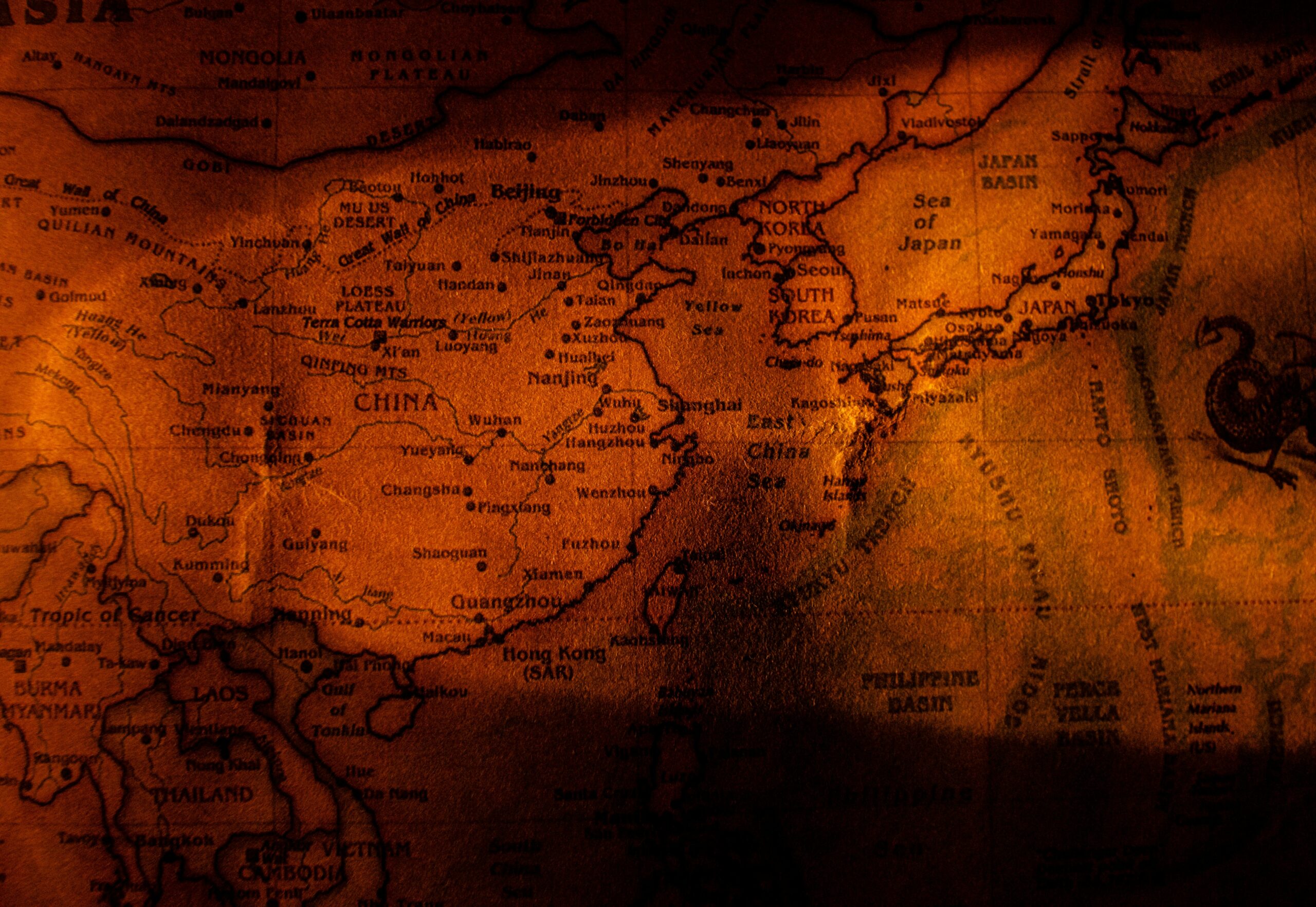
How Japan and China Are Locked in a Risky Standoff — and Why the Stakes Keep Rising
For decades, the Taiwan Strait has been a simmering geopolitical flashpoint. But lately, the atmosphere has grown far hotter. China and Japan — both major powers in East Asia — now appear engaged in a “game of chicken” over Taiwan: each side daring the other to blink first, while real-world risks multiply.
This game isn’t just military posturing. It has diplomatic, economic, legal, and regional-security dimensions. Here’s a comprehensive breakdown of what’s happening, what’s been missed, and what it all means going forward.
Why this “game” feels so tense
A. China’s red line on Taiwan
China views Taiwan as a breakaway province, destined for “reunification.” Any foreign nation supporting Taiwan’s de facto independence or defence risks triggering a severe reaction from Beijing — military, economic, or diplomatic.
B. Japan’s shifting posture
Traditionally cautious about military entanglements, Japan underlines new security laws allowing collective self-defence. Japan’s leadership now signals that a Chinese move on Taiwan could threaten Japan’s own “survival”-level interests. That signals a major shift.
C. The islands and geography
Japan’s southwestern islands are located close to Taiwan and China. Disputed territorial waters (e.g., around the Senkaku/Diaoyu Islands) add fuel to the fire. China’s coast-guard operations near Japanese-administered islands only heighten the danger.
D. Economic interdependence vs strategic risk
Japan and China are deeply economically entwined — trade, investment, tourism all matter. Yet, strategic concerns are forcing them into a potential clash where economics may take a back seat.
What the recent article covered — and what it didn’t
What it covered:
- How China and Japan are both signalling bravado without wanting full war.
- The concept of “game of chicken” — neither side wants to appear weak.
- Some military and diplomatic moves.
What it didn’t cover fully (and deserves deeper attention):
- Behind-the-scenes military realignments
Japan’s defence forces are quietly adapting: upgrading missile defences, expanding the Self-Defence Forces’ footprint in southwestern islands, collaborating more closely with the U.S. Meanwhile China is enhancing amphibious and missile capabilities targeting Taiwan and Japan’s islands. These changes lengthen the fuse. - Economic coercion as part of the game
Beyond ships and planes, China increasingly uses travel advisories, import bans, tourism-warnings, and consumer boycotts to signal displeasure rather than just missiles. Japan’s tourism and retail sectors, heavily reliant on Chinese visitors, are vulnerable. - Allied convergence and deterrence webs
While Japan is not acting alone, its partnerships (particularly with the U.S., Australia and India) create overlapping deterrence structures. China’s strategic calculus anticipates these linkages, which in turn influence how far Japan pushes. - Taiwan’s agency & the domino effect
Too often Taiwan is treated as a backdrop. But Taipei’s own actions (military drills, alliances, exports of semiconductors) matter hugely. A mis-step by Taiwan could trigger a crisis regardless of Japan or China’s intention. - Domestic politics and nationalist pressures
Both China and Japan face internal pressures. China’s leadership must look strong to maintain domestic legitimacy. Japan’s new prime minister cannot appear weak on China. Those internal dynamics reduce flexibility and increase risk of miscalculation. - The economic risk to China itself
Many analyses highlight how China would risk economic havoc if it attempted Taiwan invasion. That’s crucial: Beijing might want deterrence, not war. But the infrastructure for deterrence and exaggeration complicates signalling. - The lack of an agreed “off-ramp”
The two sides seem locked into brinkmanship without a clear mechanism to de-escalate. That absence increases the odds of unintended escalation from miscalculation.

What happens next (and red flags to watch)
- Incidents in contested waters: A collision, ship boarding or aggressive coast-guard move around the Senkaku/Diaoyu Islands could spark crisis.
- Missile or air exercises near Japan/Taiwan: Large-scale joint drills by China could test Japanese resolve and alliance responses.
- Economic retaliation: China could escalate non-military pressure: travel bans, import/export controls, tourism advisories hitting Japan’s economy hard.
- Allied signalling shifts: The U.S. or Australia might increase direct support to Japan or Taiwan in a way that forces China to respond.
- Domestic political mis-fire: A hard-line rhetoric from either leadership—especially Japan’s hawkish new prime minister—or an internal crisis in China might force a reactive move.
Why this matters beyond Asia
- Global supply chains: Taiwan is vital for semiconductors. Conflict would ripple into tech industries worldwide.
- Military doctrine & alliances: How Japan and the U.S. handle this affects NATO/EU perceptions of maritime defence and alliances in general.
- The “norms” of deterrence: If Japan openly states that Taiwan’s fate affects Japan’s survival, that changes regional security architecture.
- Economic risk globally: A confrontation could trigger massive market reactions, trade disruptions, and financial instability.
Frequently Asked Questions
Q1: What exactly is the “game of chicken” between China and Japan?
It means both sides are signalling they may act—and neither wants to back down first—hoping the other will appear weak. Instead of one side winning outright, both risk disastrous collision.
Q2: Could Japan really get involved militarily if China acts on Taiwan?
Yes, under Japan’s 2015 security law and recent rhetoric it indicates that if Taiwan’s security breach poses a survival-threat to Japan, Japan might act, potentially alongside U.S. forces.
Q3: Why does China care so much about Taiwan?
Taiwan is core to China’s sovereign narrative, its regional strategy and domestic legitimacy. Losing that issue or allowing foreign interference is seen as unacceptable in Beijing.
Q4: What could trigger actual military conflict?
A blockade of Taiwan, missile strikes, submarine incursion, or mis-managed incident at sea near contested islands might trigger conflict. But economic or diplomatic pressure can also escalate.
Q5: How vulnerable is Japan economically?
Very vulnerable. China is Japan’s largest trade partner. Tourism and retail sectors rely heavily on Chinese consumers. Economic measures from China could hit Japan hard even without military fighting.
Q6: Is this scenario the same as a full-scale war?
Not yet. Both sides appear willing to escalate parts of this confrontation for signalling purposes, rather than war. But the risk of miscalculation steadily increases.
Q7: Can Taiwan defuse the situation?
Taiwan has limited ability to de-escalate unilateral moves from its neighbours. It can avoid provocative actions, but it also must maintain defence readiness and alliances.
Q8: What should businesses watch?
Supply-chain disruptions (especially semiconductors), tourism and luxury-retail impacts, shipping-route risk (East China Sea/Strait of Taiwan), and changes in regional investment sentiment.
Q9: What is the best “off-ramp” to avoid escalation?
More diplomatic channels, clearer signalling, military-to-military communication, agreed naval encounter protocols, and stabilising economic ties to reduce incentives for brinkmanship.
Final Thoughts
Japan and China are walking a tightrope — and Taiwan sits at the centre. What looks at first like strong-man rhetoric or diplomatic chess could morph into strategic mis-step with cascading consequences. For China and Japan alike, the danger is not just in who blinks—it’s what happens when neither side does, and the world suddenly watches the crash unfold.

Sources The Economist

