
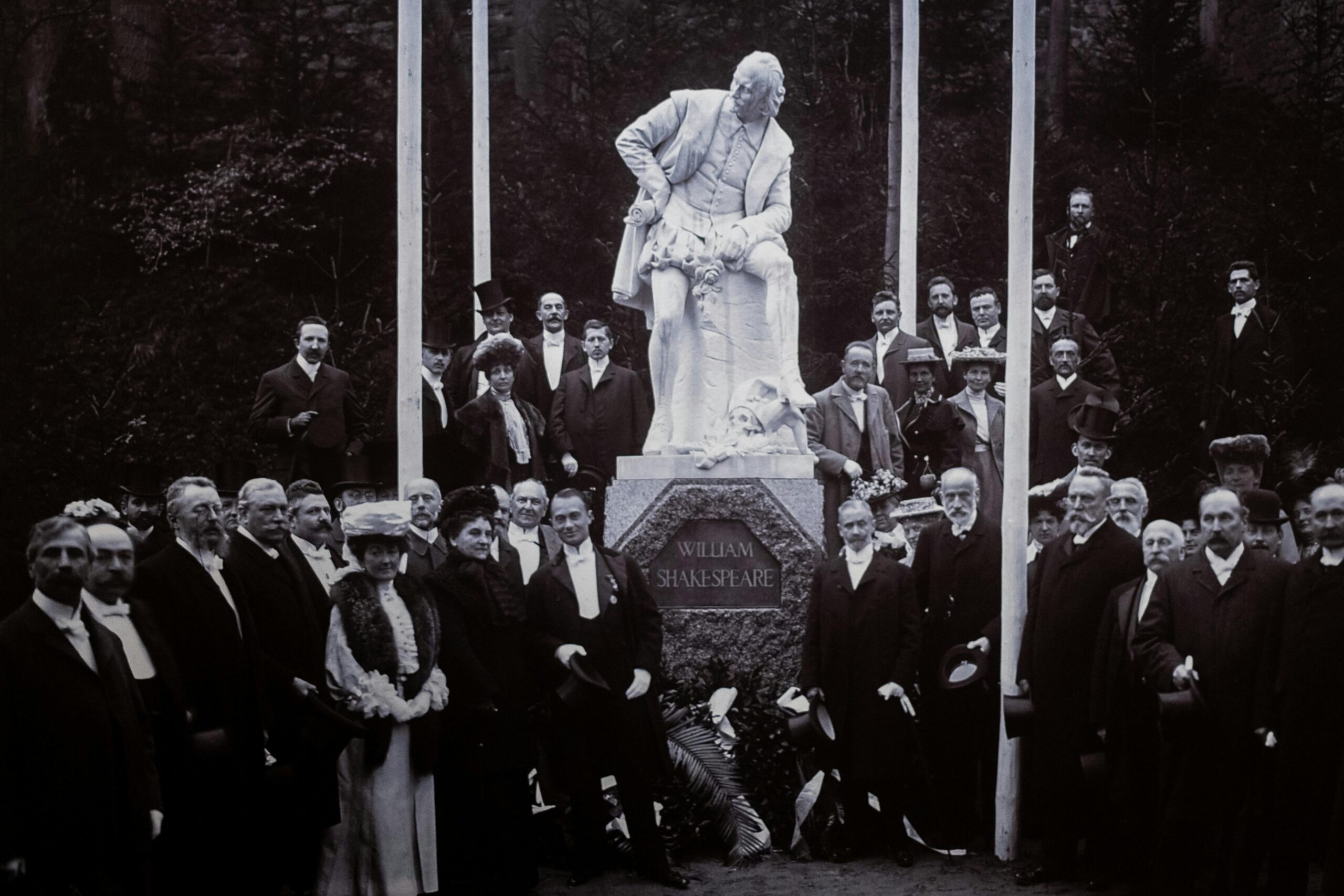
Few literary figures have shaped the global imagination like William Shakespeare. His plays—rich with poetic language, layered meanings, and cultural nuance—have been translated into hundreds of languages, performed across continents, and reinterpreted for centuries.
Yet translating Shakespeare is no ordinary task. As highlighted in the Financial Times article, it is an act often described as “magic”—a delicate balance between fidelity and creativity. But beyond that poetic framing lies a complex craft involving linguistics, cultural adaptation, performance theory, and artistic interpretation.
This article explores the deeper dimensions of translating Shakespeare, expanding on the challenges, philosophies, and evolving practices that define this unique art form.
Why Shakespeare Is So Difficult to Translate
1. Language That Is Already “Foreign”
Ironically, Shakespeare is challenging even for modern English speakers:
- Written in Early Modern English
- Filled with archaic vocabulary
- Complex sentence structures
For translators, this raises a key question:
Are you translating English—or translating history?
2. Wordplay and Double Meanings
Shakespeare’s works are packed with:
- Puns
- Wordplay
- Ambiguities
Example:
- A single word may carry multiple meanings simultaneously
Translators must decide:
- Preserve literal meaning?
- Recreate the wordplay?
- Or prioritize readability?
Often, something must be sacrificed.
3. Rhythm and Poetic Structure
Much of Shakespeare’s writing uses:
- Iambic pentameter
- Rhythmic patterns
- Musicality
Maintaining this in another language is extremely difficult because:
- Languages have different rhythms
- Syllable structures vary
- Natural speech patterns differ
4. Cultural References
Shakespeare’s plays are rooted in:
- Elizabethan society
- Historical events
- Social norms and humor
Translators must decide whether to:
- Keep original references
- Adapt them for modern audiences
- Replace them with culturally relevant equivalents
Translation vs. Adaptation: Where Is the Line?
1. Literal Translation
Focuses on:
- Staying close to the original text
- Preserving meaning as accurately as possible
Drawback:
- May feel unnatural or inaccessible
2. Creative Adaptation
Involves:
- Rewriting sections for clarity
- Adjusting cultural references
- Updating language
Benefit:
- More engaging for modern audiences
Risk:
- Losing the essence of Shakespeare’s voice
3. Performance Translation
For theater, translation must consider:
- Actor delivery
- Audience comprehension
- Stage timing
This often leads to:
- Shortened lines
- Simplified language
- Emphasis on emotional impact
The Translator as Co-Creator
1. Beyond Technical Work
Translating Shakespeare is not just linguistic—it is artistic.
The translator must:
- Interpret tone and intent
- Recreate emotional resonance
- Make creative decisions
In this sense, translators become co-authors.
2. Multiple Valid Translations
There is no single “correct” translation of Shakespeare.
Different versions may:
- Emphasize poetry
- Focus on clarity
- Reflect cultural context
Each translation offers a new perspective on the same work.
Global Interpretations of Shakespeare
1. Shakespeare Across Cultures
Shakespeare has been adapted into:
- Japanese Noh and Kabuki theater
- Indian Bollywood-inspired productions
- African and Caribbean reinterpretations
Each version reflects:
- Local traditions
- Cultural values
- Unique storytelling styles
2. Language as Cultural Bridge
Translation allows Shakespeare to:
- Reach global audiences
- Be reinterpreted in new contexts
- Remain relevant across centuries
Modern Approaches to Translating Shakespeare
1. Updating for Contemporary Audiences
Some translators modernize language to:
- Improve accessibility
- Engage younger audiences
2. Maintaining Historical Authenticity
Others aim to:
- Preserve original tone
- Retain archaic elements
3. Hybrid Approaches
Many modern translations combine:
- Original phrasing
- Contemporary clarity
The Role of Technology
1. AI and Machine Translation
AI tools can assist by:
- Providing initial drafts
- Suggesting alternative phrasing
However, they struggle with:
- Poetry
- Wordplay
- Cultural nuance
2. Human Creativity Remains Essential
For Shakespeare, translation requires:
- Imagination
- Sensitivity to language
- Deep literary understanding
AI cannot yet replicate this fully.
Ethical and Artistic Questions
1. Fidelity vs. Creativity
Should translators:
- Stay true to the original text?
- Or prioritize audience understanding?
2. Ownership of Meaning
Who defines what Shakespeare “means”?
- The original author?
- The translator?
- The audience?
3. Preservation vs. Reinvention
Should Shakespeare be:
- Preserved as a historical artifact?
- Or continuously reimagined?
Why Shakespeare Still Matters Globally
1. Universal Themes
Shakespeare explores:
- Love
- Power
- Betrayal
- Identity
These themes resonate across cultures.
2. Endless Interpretability
Each translation reveals:
- New meanings
- New emotional layers
- New cultural relevance
Frequently Asked Questions (FAQs)
1. Why is Shakespeare so hard to translate?
Because of his complex language, wordplay, rhythm, and cultural references.
2. Is there a “best” translation of Shakespeare?
No. Different translations serve different purposes and audiences.
3. Can AI translate Shakespeare effectively?
Not fully. AI struggles with poetry, nuance, and creative interpretation.
4. Do translators change Shakespeare’s meaning?
Sometimes, intentionally or unintentionally, to make it accessible or culturally relevant.
5. Why are there so many versions of the same play?
Because translation involves interpretation, leading to multiple valid outcomes.
6. Is modernizing Shakespeare acceptable?
It depends on the goal—accessibility vs. authenticity.
7. What makes a good Shakespeare translation?
A balance of accuracy, readability, emotional impact, and artistic integrity.
Conclusion
Translating Shakespeare is indeed a kind of magic—but not the effortless kind. It is a craft that demands precision, creativity, and courage. Every translation is a negotiation between languages, cultures, and centuries.
Far from being fixed texts, Shakespeare’s works are living creations—constantly reshaped by those who bring them into new linguistic worlds. In this sense, translation does not merely preserve Shakespeare; it keeps him alive.
Sources Financial Times

