
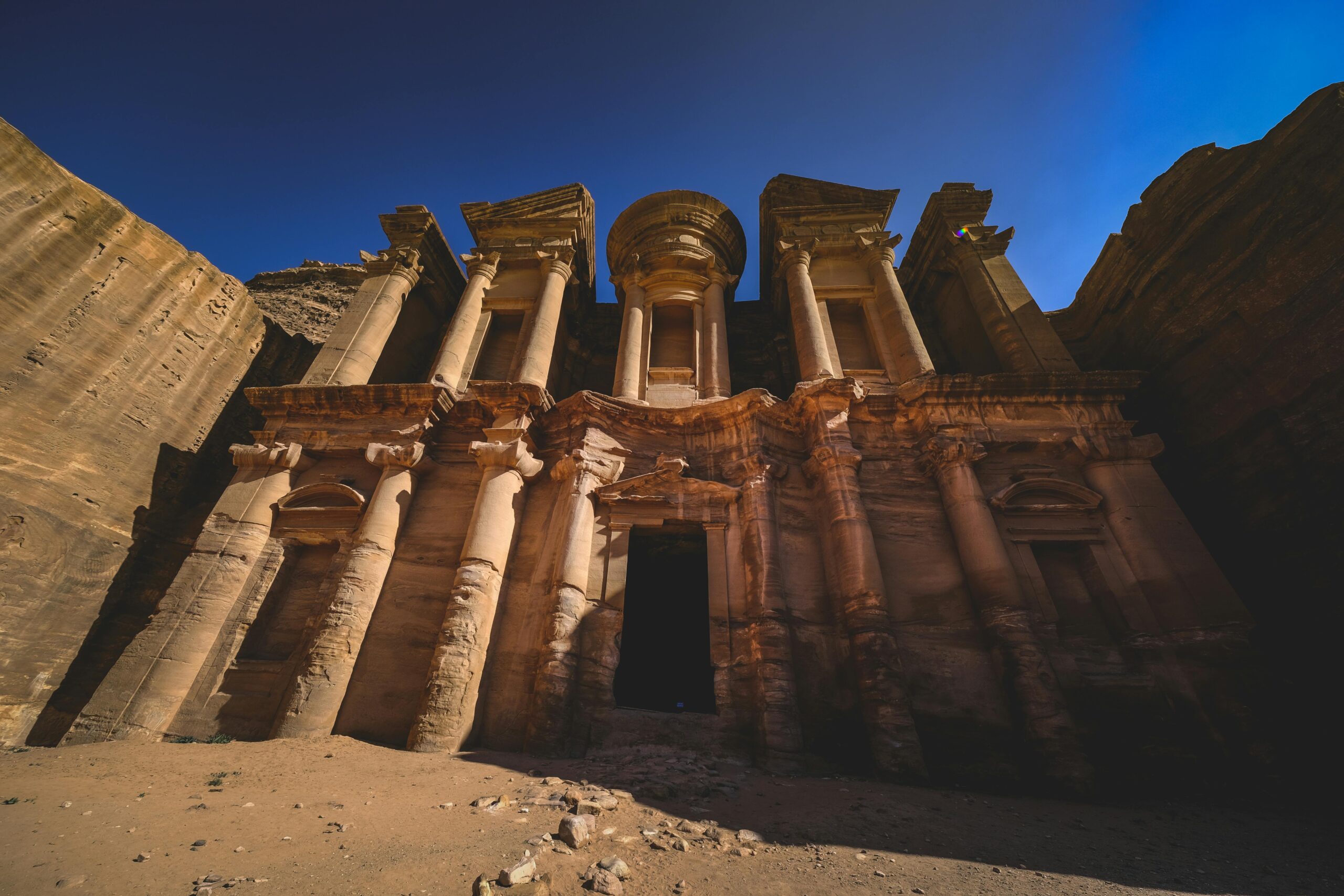
Jordan has long been a beacon of stability in a volatile region—a country where ancient wonders like Petra, the vast deserts of Wadi Rum, and the therapeutic waters of the Dead Sea draw millions of visitors each year. But in today’s interconnected world, even stability is not always enough to protect a tourism industry.
As conflict escalates in parts of the Middle East, Jordan is facing a familiar but difficult reality: when war breaks out nearby, tourists often stay away—even if the destination itself remains safe.
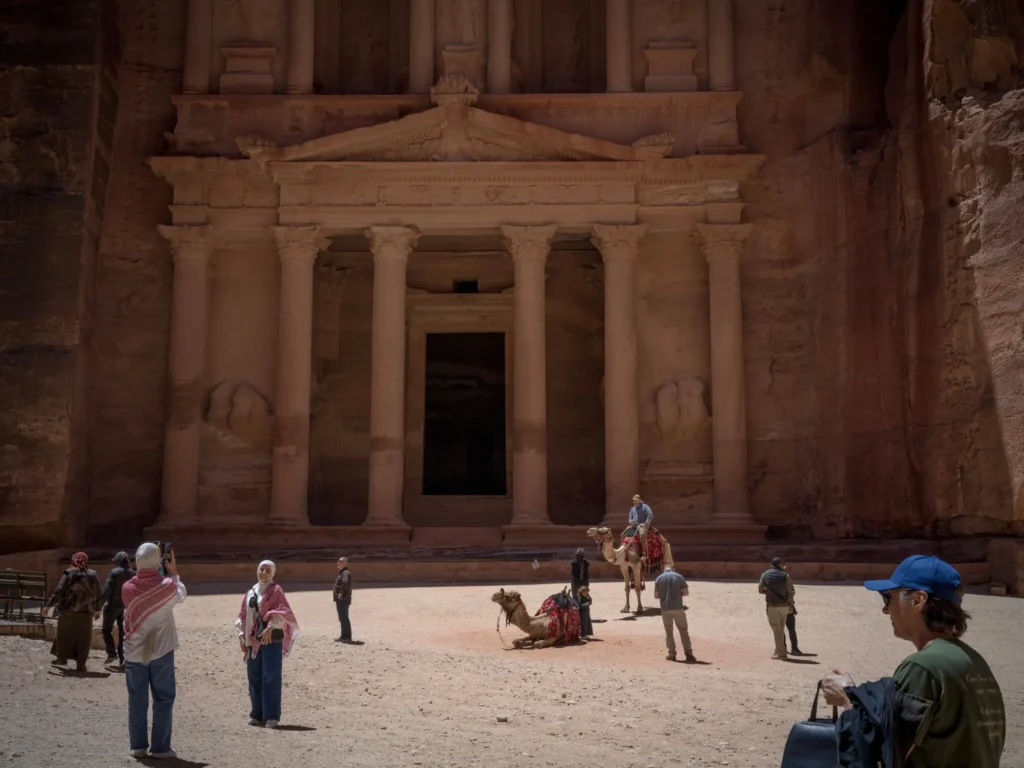
A Safe Destination in an Uncertain Neighborhood
Jordan has built its reputation on being one of the safest and most welcoming countries in the region. Its tourism infrastructure is well-developed, and its government has consistently prioritized security and visitor experience.
Yet geography plays a powerful role in perception.
Situated near areas of conflict, Jordan is often grouped—fairly or not—into a broader regional narrative. For many international travelers:
- Proximity to conflict raises concern
- Media coverage creates a sense of generalized risk
- Travel advisories may become more cautious
The result is a gap between reality and perception—and tourism suffers in that gap.
The Immediate Impact on Tourism
Recent regional tensions have led to noticeable changes in travel patterns:
- Increased cancellations of planned trips
- Declines in new bookings, especially from Western
- Shorter stays and more cautious travel behavior
- Reduced group tours and package
Tour operators report that even travelers who understand Jordan is safe may hesitate when family members or insurers raise concerns.
The Economic Stakes
Tourism is a vital sector for Jordan’s economy.
It contributes to:
- National GDP
- Employment across hospitality, transport, and services
- Foreign currency earnings
When tourism slows, the impact is widespread:
- Hotels operate below capacity
- Guides and small businesses lose income
- Investment in the sector may slow
For a country with limited natural resources, tourism is not just an industry—it is a lifeline.
The Power of Perception
One of the biggest challenges Jordan faces is not security itself, but perception.
Tourism decisions are heavily influenced by:
- News headlines
- Government travel advisories
- Social media narratives
- Word-of-mouth
Even when conditions on the ground remain stable, negative perception can deter visitors.
This creates a paradox:
A country can be safe—but still feel unsafe to outsiders.
Resilience and Adaptation
Jordan’s tourism sector has faced similar challenges before and developed strategies to adapt.
Diversifying Markets
Focusing on regional travelers or less sensitive to geopolitical concerns.
Flexible Booking Policies
Encouraging travelers with cancellation options and reassurance.
Targeted Messaging
Highlighting safety, stability, and unique experiences.
Domestic Tourism Promotion
Encouraging local travel to support the industry during downturns.
These measures help cushion the impact, but they cannot fully replace international tourism.
What Makes Jordan Worth Visiting
Despite current challenges, Jordan remains one of the most culturally and historically rich destinations in the world.
Key attractions include:
Petra
A UNESCO World Heritage site and one of the New Seven Wonders of the World.
Wadi Rum
A dramatic desert landscape known for its red and cinematic beauty.
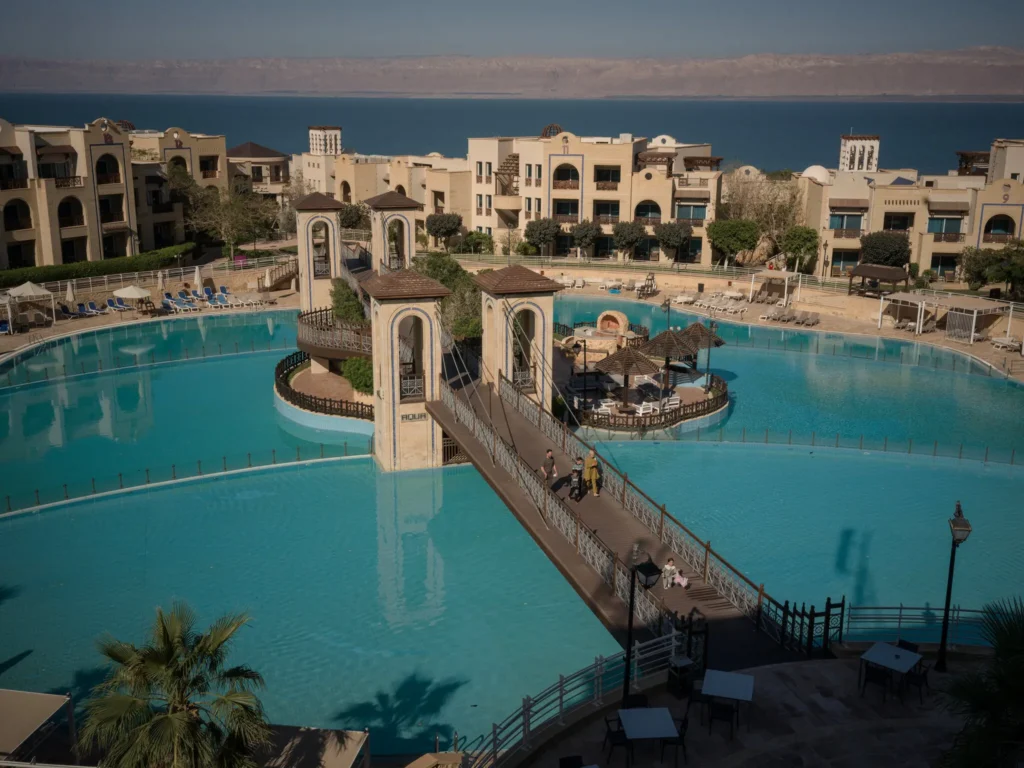
Dead Sea
The lowest point on Earth, famous for its лечебные waters.
Amman and Jerash
Cities that blend ancient ruins with modern.
Beyond these sites, Jordan offers:
- Warm hospitality
- Rich culinary traditions
- Deep historical significance
These qualities continue to draw those willing to look beyond headlines.
The Human Side of Tourism
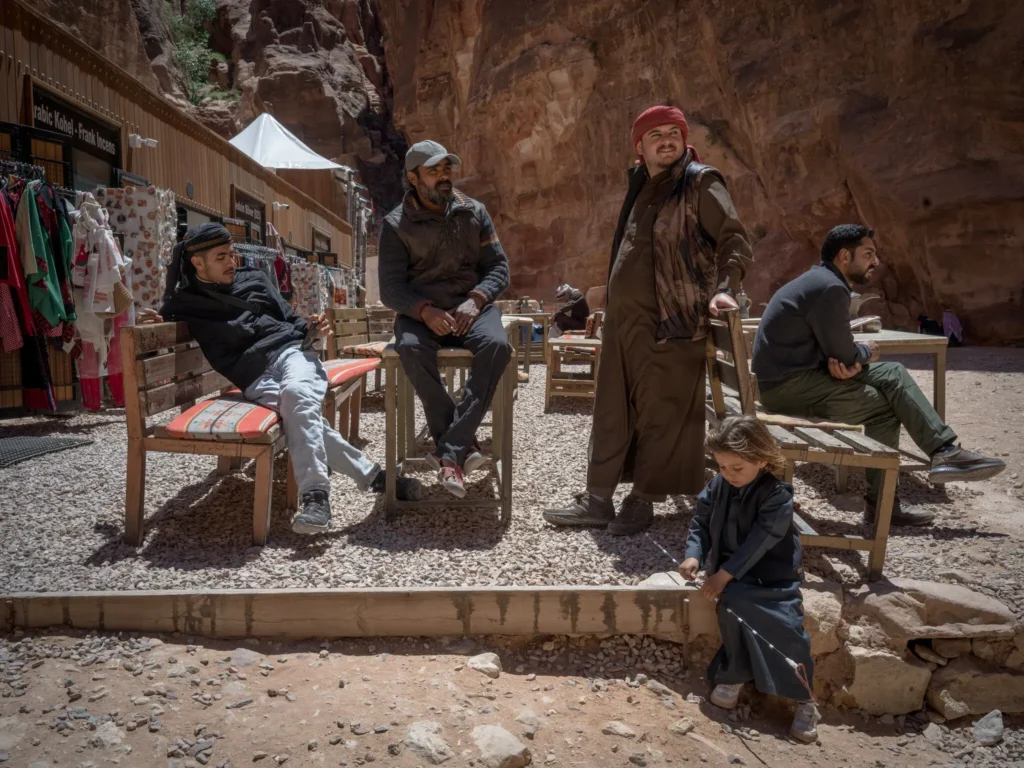
Behind every statistic are real people whose livelihoods depend on tourism.
From hotel staff and drivers to artisans and guides, many Jordanians rely on a steady flow of visitors.
When tourism declines:
- Families face financial strain
- Small businesses struggle to survive
- Communities lose a key source of income
Understanding this human dimension adds urgency to efforts to support the sector.
The Role of Responsible Travel
Travelers themselves can play a role in supporting destinations like Jordan.
Responsible travel includes:
- Seeking accurate information from reliable sources
- Avoiding assumptions based solely on regional
- Supporting local businesses
- Respecting cultural and social norms
In doing so, travelers contribute not only to their own experiences but also to the resilience of local communities.
A Broader Pattern in Global Tourism
Jordan’s situation reflects a global reality: tourism is highly sensitive to beyond a destination’s control.
Similar patterns have been seen in:
- Southeast Asia during health crises
- Europe during security incidents
- Island nations after natural disasters
In each case, recovery depends on rebuilding confidence as much as rebuilding infrastructure.
Looking Ahead: Can Confidence Be Restored?
The future of tourism in Jordan will depend on several factors:
- Stability in the wider region
- Clear and consistent communication about safety
- Continued investment in tourism infrastructure
- Positive traveler experiences that reshape perception
Jordan’s track record suggests resilience—but recovery may take time.
Frequently Asked Questions (FAQs)
1. Is Jordan safe for tourists?
Jordan is generally considered one of the safest countries in the region, with strong security measures in place.
2. Why are tourists canceling trips?
Primarily due to concerns about nearby regional conflicts and how they are perceived internationally.
3. Are major tourist sites affected?
Most major attractions remain open and operational.
4. How important is tourism to Jordan’s economy?
It is a key sector, contributing significantly to GDP and employment.
5. What can travelers do to stay informed?
Check official travel advisories, follow reputable news sources, and consult local tourism authorities.
6. Are prices changing lower demand?
In some cases, discounts and promotions may be offered to attract visitors.
7. How is Jordan responding to the situation?
Through marketing campaigns, flexible policies, and efforts to reassure travelers.
8. Will tourism recover?
Historically, tourism in Jordan has rebounded after regional crises, but recovery depends on restoring confidence.
Jordan’s story is not just about tourism—it’s about perception, resilience, and the relationship between global and local realities. In a world where headlines travel faster than facts, the challenge is clear: ensuring that a country known for its safety and hospitality is seen for what it truly is, not just where it happens to be.
Sources The New York Times

