
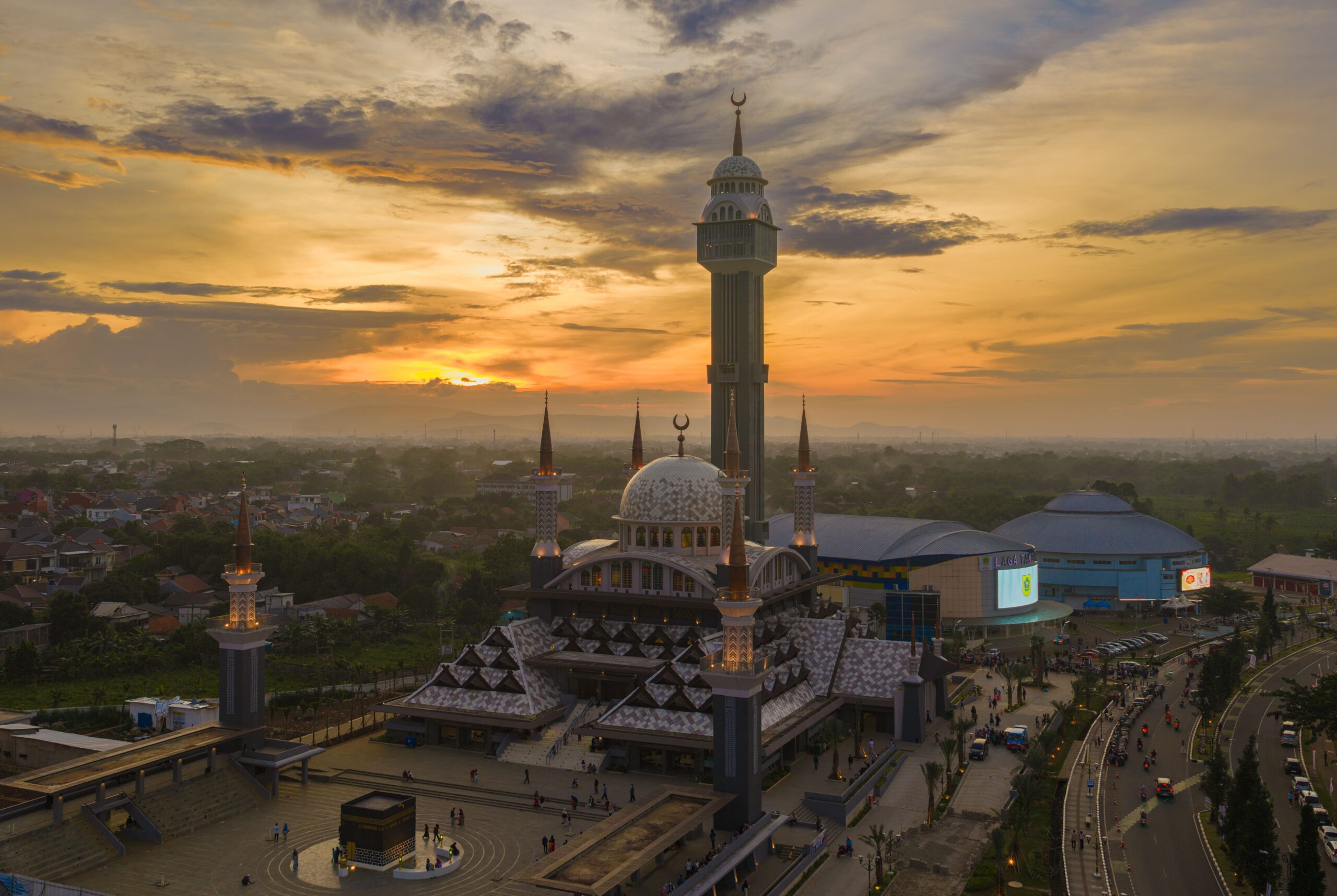
Indonesia has long been recognized for its breathtaking natural beauty, vibrant cultures, and warm hospitality. From the beaches of Lombok and the rainforests of Sumatra to the cultural treasures of Java and the marine biodiversity of Sulawesi, the world’s largest archipelago offers an extraordinary range of travel experiences.
Now, the country is pursuing another ambitious goal: becoming the world’s leading Muslim-friendly tourism destination.
Indonesia recently climbed to joint second place in the 2026 Global Muslim Travel Index (GMTI) alongside Saudi Arabia and Türkiye, while Malaysia retained the top position. The Indonesian government has announced that it will continue expanding Muslim-friendly tourism by improving destination readiness, service quality, accessibility, digital innovation, and collaboration with industry partners to meet the rapidly growing demand from Muslim travelers worldwide.
Rather than creating tourism exclusively for Muslim visitors, Indonesia’s strategy focuses on providing inclusive services that allow Muslim travelers to enjoy their journeys comfortably while remaining attractive to visitors of all backgrounds.

What Is Muslim-Friendly Tourism?
Muslim-friendly tourism—often called halal tourism—is designed to accommodate the religious and lifestyle needs of Muslim travelers without excluding non-Muslim visitors.
Typical features include:
- Halal-certified food and beverages
- Easily accessible prayer rooms
- Information about nearby mosques
- Hotels that understand faith-based travel needs
- Family-friendly recreational facilities
- Respect for privacy and cultural sensitivities
Importantly, Muslim-friendly tourism does not mean restricting tourism activities. Instead, it adds services that help Muslim travelers feel more comfortable while remaining welcoming to everyone.
Why the Global Muslim Travel Market Matters
The Muslim travel sector is one of the fastest-growing segments of international tourism.
According to the 2026 Global Muslim Travel Index:
- Muslim international arrivals reached approximately 196 million in 2025.
- They are expected to reach 208 million in 2026.
- By 2030, the market could grow to 262 million international arrivals, generating an estimated US$310 billion in annual travel spending.
This rapid growth has encouraged many destinations—including Indonesia, Malaysia, Japan, Thailand, Singapore, South Korea, and several European countries—to expand Muslim-friendly travel services.
Indonesia’s Strengths as a Muslim-Friendly Destination
Indonesia enjoys several natural advantages.
The World’s Largest Muslim Population
Home to more than 280 million people, Indonesia has the largest Muslim population in the world. Islamic traditions are naturally integrated into many aspects of daily life, making halal food, prayer facilities, and religious services widely available.
Incredible Geographic Diversity
Indonesia consists of more than 17,000 islands, offering everything from volcanoes and tropical beaches to rainforests, coral reefs, and UNESCO World Heritage sites.
This diversity enables travelers to combine faith-friendly services with adventure, culture, wellness, and ecotourism.
Rich Cultural Heritage
Indonesia’s tourism appeal extends beyond religion.
Visitors can experience:
- Ancient temples
- Traditional villages
- Batik craftsmanship
- Local culinary traditions
- Islamic architecture
- Cultural festivals
- Indigenous arts and music
These experiences make the country attractive to Muslim and non-Muslim visitors alike.
Featured Muslim-Friendly Destinations
Indonesia is promoting several regions as flagship Muslim-friendly destinations, including:
- Lombok – Famous for pristine beaches, waterfalls, and a strong halal tourism ecosystem.
- West Sumatra – Renowned for Minangkabau culture, halal cuisine, and iconic landscapes.
- Banten – Home to historical Islamic sites and coastal attractions.
- West Java – A blend of mountain scenery, modern cities, and cultural experiences.
- East Java – Popular for volcanoes, heritage sites, and diverse culinary offerings.
- South Sulawesi – Known for marine tourism and unique local traditions.
Each destination combines natural attractions with services tailored to Muslim travelers.
Beyond Halal Food: A Complete Travel Experience
One common misconception is that Muslim-friendly tourism is only about halal restaurants.
In reality, the concept includes a much broader ecosystem, such as:
- Prayer facilities at airports and attractions
- Halal-certified accommodation options
- Family-oriented recreational activities
- Modest wellness and spa services
- Clear information on religious facilities
- Convenient access to halal products and services
Indonesia’s tourism ministry has emphasized that comfort, accessibility, and service quality are central to this strategy.

The Role of Digital Technology and AI
Modern Muslim travelers increasingly plan their journeys online.
The 2026 GMTI reports that 80% of Muslim travelers now use AI-powered tools during trip planning. Travelers rely on these technologies to locate halal restaurants, find prayer spaces, compare transport options, receive personalized recommendations, and verify trusted travel information.
Indonesia has responded by investing in:
- Smart tourism platforms
- AI-enhanced visitor services
- Digital destination promotion
- Online booking systems
- Improved digital visibility for Muslim-friendly businesses
In today’s travel landscape, being digitally discoverable is becoming just as important as offering quality services.
Supporting Local Businesses Through Halal Certification
The government’s initiative also benefits local entrepreneurs.
Authorities are working with Indonesia’s halal certification agencies to expand certification for:
- Restaurants
- Cafés
- Hotels
- Souvenir producers
- Village tourism enterprises
- Small and medium-sized businesses (SMEs)
Thousands of halal certificates have already been issued across more than a thousand tourism villages, helping local businesses reach a broader international market while strengthening rural economies.
Sustainability and Responsible Tourism
Indonesia’s vision goes beyond attracting more visitors.
Officials increasingly emphasize:
- Environmental conservation
- Cultural preservation
- Community participation
- Quality visitor experiences
- Sustainable destination management
This reflects a broader strategy of prioritizing tourism that delivers long-term benefits for both residents and visitors.
Competition in the Global Halal Tourism Market
Indonesia is not alone in targeting this rapidly expanding sector.
Leading destinations include:
- Malaysia
- Saudi Arabia
- Türkiye
- Singapore
- Japan
- Thailand
- South Korea
Many non-Muslim-majority countries are also investing in halal dining, multilingual travel services, and Muslim-friendly accommodations to attract this growing demographic.
Competition is increasingly centered on service quality, digital accessibility, safety, and visitor confidence rather than religious identity alone.
Challenges Ahead
While Indonesia has made significant progress, several challenges remain:
- Expanding halal-certified services across remote islands.
- Maintaining consistent service standards.
- Improving transportation connectivity.
- Increasing international awareness beyond Bali.
- Balancing tourism growth with environmental protection.
Addressing these issues will be crucial if Indonesia hopes to achieve its ambition of becoming the world’s top Muslim-friendly destination.
What This Means for International Travelers
The expansion of Muslim-friendly tourism benefits more than Muslim visitors.
Investments in:
- Better infrastructure
- Cleaner facilities
- Improved digital services
- Enhanced hospitality training
- Higher food quality standards
ultimately improve the travel experience for everyone.
This inclusive approach demonstrates that accessibility and cultural sensitivity can strengthen a destination’s overall competitiveness.
The Future of Muslim-Friendly Tourism
As global travel continues to evolve, Muslim-friendly tourism is expected to become increasingly integrated into mainstream travel planning.
Future developments may include:
- AI-powered personalized itineraries
- Smart halal restaurant recommendations
- Real-time prayer time notifications
- Digital halal certification verification
- Contactless travel services
- Sustainable Muslim-friendly resorts
Indonesia’s combination of cultural diversity, natural beauty, digital innovation, and strong domestic halal ecosystem positions it well to remain one of the world’s most influential destinations in this growing market.
Conclusion
Indonesia’s campaign to become the world’s leading Muslim-friendly tourism destination reflects broader changes in global travel. Today’s travelers increasingly seek experiences that combine convenience, authenticity, cultural respect, and personalized services.
By investing in halal-certified businesses, smart tourism technologies, sustainable development, and destination readiness, Indonesia is positioning itself to capture a larger share of one of the fastest-growing travel markets in the world.
Success will depend not only on rankings but also on maintaining high-quality visitor experiences while protecting the country’s extraordinary cultural and natural heritage. If these efforts continue, Indonesia could become a global model for how inclusive tourism can benefit travelers, local communities, and the broader economy alike.
Frequently Asked Questions (FAQs)
1. What is Muslim-friendly tourism?
Muslim-friendly tourism provides services such as halal-certified food, prayer facilities, family-friendly accommodations, and culturally appropriate amenities that help Muslim travelers enjoy their trips comfortably while remaining open to visitors of all backgrounds.
2. Why is Indonesia focusing on halal tourism?
Indonesia sees halal tourism as a major growth opportunity because the global Muslim travel market is expanding rapidly. The country also has natural advantages, including the world’s largest Muslim population, diverse destinations, and an established halal ecosystem.
3. Which Indonesian destinations are being promoted as Muslim-friendly?
Key destinations include Lombok, West Sumatra, Banten, West Java, East Java, and South Sulawesi, all of which offer halal-friendly services alongside cultural and natural attractions.
4. Is Muslim-friendly tourism only for Muslim travelers?
No. These services enhance accessibility and convenience without excluding anyone. Non-Muslim travelers can enjoy the same destinations, accommodations, restaurants, and attractions while benefiting from improved infrastructure and hospitality.
5. How is technology improving Muslim-friendly travel?
AI-powered travel tools, smart tourism platforms, digital maps, online halal certification, personalized recommendations, and real-time travel information are making it easier for Muslim travelers to plan and enjoy seamless journeys.

Sources Arab News

