
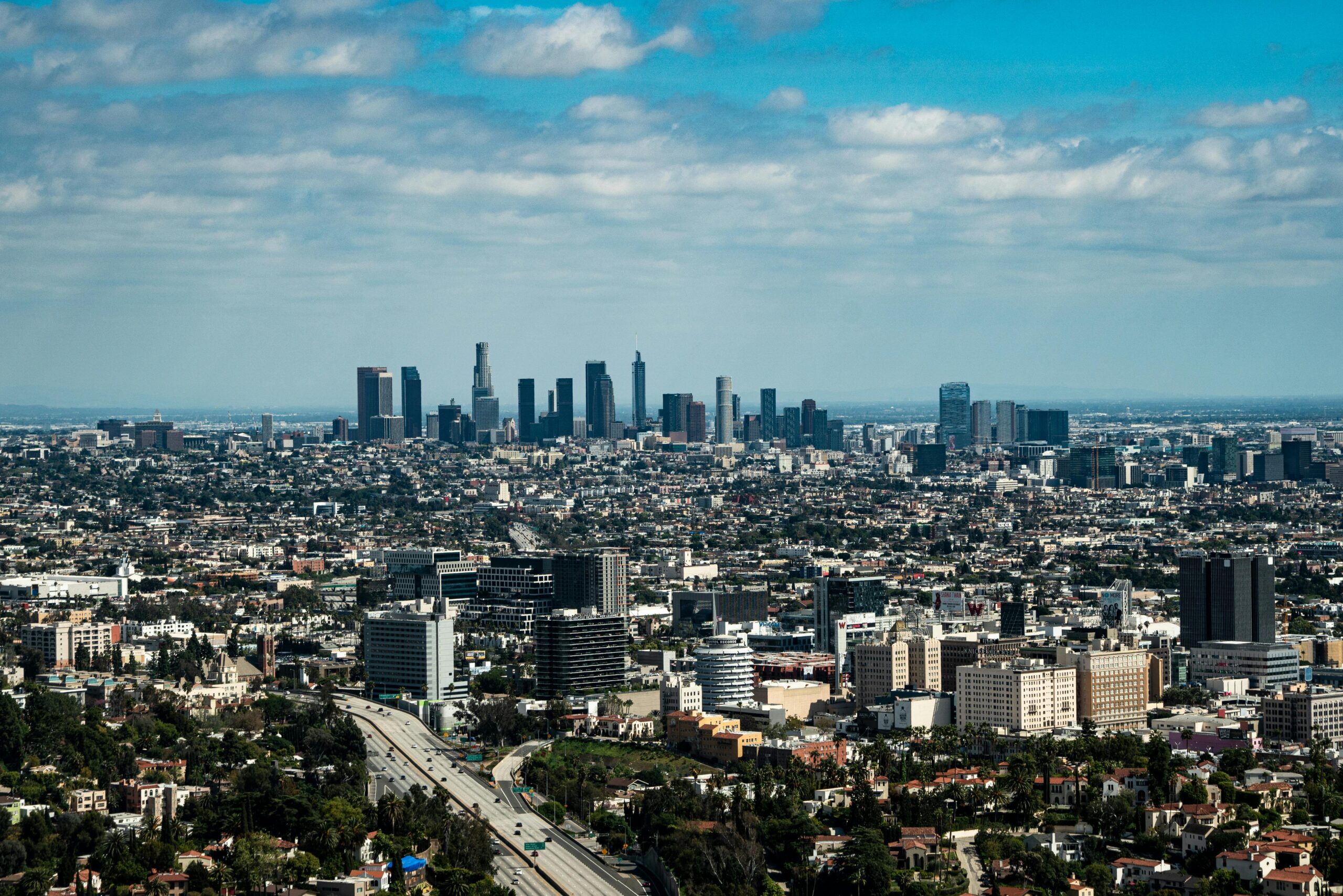
Los Angeles has long been one of the world’s most recognizable cities—synonymous with entertainment, culture, and diversity. But as the city prepares to take center stage during the FIFA World Cup, it is stepping into a new role: a global sports and tourism powerhouse. This moment is more than a series of matches—it is a catalyst for economic growth, infrastructure transformation, and a redefinition of how L.A. presents itself to the world.
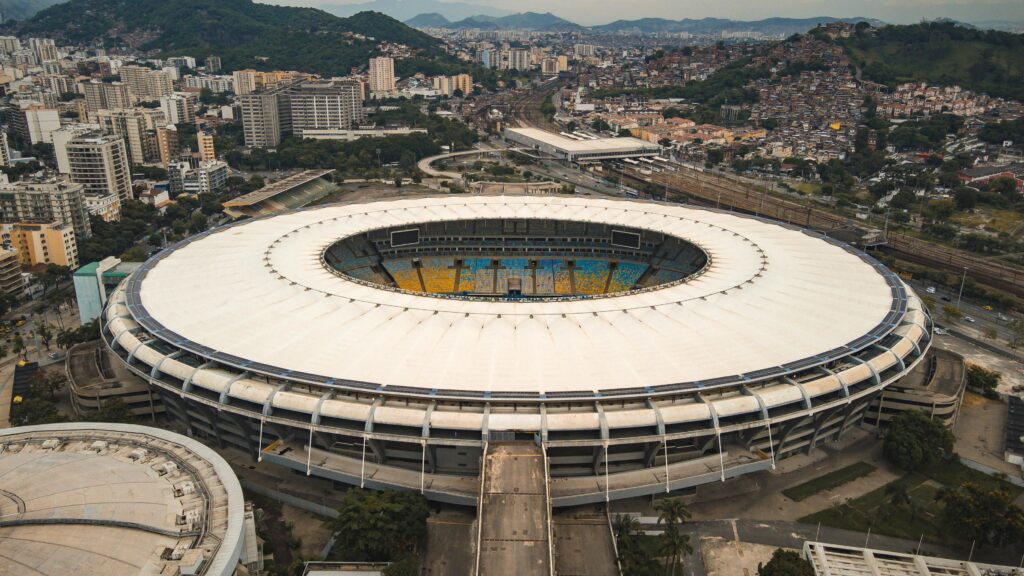
A Global Spotlight Like No Other
The FIFA World Cup is one of the most watched events on the planet, drawing billions of viewers and millions of traveling fans. For Los Angeles, hosting matches to showcase its cultural vibrancy, innovation, and hospitality on an unprecedented scale.
Unlike traditional tourism campaigns, the World Cup offers:
- Built-in global attention
- A diverse, international audience
- Extended engagement before, during, and after the event
This creates a rare opportunity for L.A. to strengthen its position as a must-visit destination.
Economic Impact: Beyond the Stadium
The financial benefits of hosting World Cup events extend far beyond ticket sales. The ripple effect touches nearly every sector of the local economy.
Hospitality and Accommodation
Hotels, short-term rentals, and hospitality services are expected to see a surge in demand, with occupancy rates reaching peak levels.
Restaurants and Retail
Local businesses—from high-end dining to street vendors—stand to benefit from increased foot traffic.
Transportation and Mobility
Airports, public transit, and ride-sharing services will experience heightened usage, prompting both revenue growth and operational challenges.
Job Creation
Temporary and permanent jobs are created in event management, security, tourism services, and infrastructure development.
Infrastructure and Urban Transformation
Mega-events often accelerate long-term infrastructure projects, and Los Angeles is no exception. Preparations for the World Cup are driving improvements that will benefit residents long after the whistle.
Key developments include:
- Upgrades to public transportation systems
- Enhancements to stadiums and surrounding districts
- Smart city initiatives for crowd management and safety
- Improvements in airport capacity and efficiency
These investments aim to create a smoother, more sustainable urban experience.
The Role of Hollywood and Cultural Influence
What sets Los Angeles apart from other host cities is its storytelling power. As the entertainment capital of the world, L.A. has a unique ability to turn sporting events into cultural spectacles.
Expect:
- Celebrity involvement and global media coverage
- Crossovers between sports, film, and music
- Immersive fan experiences that go beyond the game
This fusion of sports and entertainment amplifies the city’s global appeal.
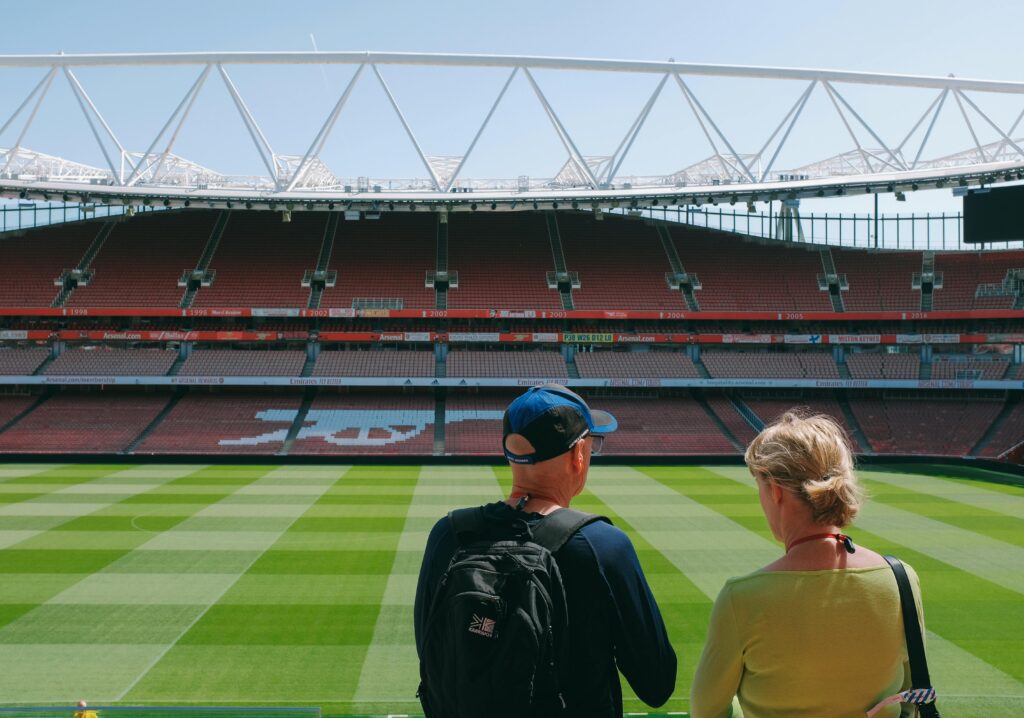
Challenges Beneath the Opportunity
While the World Cup presents enormous potential, it also brings significant challenges that must be addressed.
Traffic and Congestion
L.A. is already known for its traffic, and the influx of visitors could intensify the issue.
Housing Pressure
Short-term rental demand may drive up prices, affecting local residents.
Security Concerns
Large-scale events require extensive planning to ensure safety.
Sustainability
Managing waste, energy use, and environmental impact is critical.
Balancing these challenges with the benefits will be key to the event’s long-term success.
Tourism Legacy: What Happens After the World Cup?
One of the most important questions is what remains once the event concludes. Cities that successfully leverage mega-events focus on long-term tourism growth rather than short-term gains.
For Los Angeles, this means:
- Converting first-time visitors into repeat travelers
- Promoting lesser-known neighborhoods and attractions
- Strengthening its reputation as a global event destination
The World Cup could serve as a launchpad for future international events, including the Olympics and beyond.
A More Inclusive Vision of Tourism
Modern tourism is increasingly focused on inclusivity and representation. Los Angeles, with its diverse population, has an opportunity to highlight:
- Multicultural neighborhoods
- Local art and music scenes
- Community-driven experiences
By showcasing authentic stories, the city can offer visitors a deeper, more meaningful connection.
Technology and the Future of Event Tourism
L.A. is also expected to integrate advanced technology into the World Cup experience:
- Mobile apps for navigation and event updates
- AI-driven crowd management systems
- Contactless payments and digital ticketing
These innovations aim to create a seamless and modern visitor experience.
Frequently Asked Questions (FAQs)
1. Why is the World Cup important for Los Angeles?
It brings global attention, boosts tourism, and drives economic growth across multiple sectors.
2. How will it impact local businesses?
Businesses in hospitality, retail, and transportation are expected to see increased demand and revenue.
3. Will infrastructure improve because of the event?
Yes. Major events often accelerate transportation and urban development projects.
4. What challenges does L.A. face as a host city?
Traffic congestion, housing pressures, security concerns, and sustainability issues are key challenges.
5. How long will the economic benefits last?
While some benefits are immediate, long-term gains depend on how well the city leverages the event for future tourism.
6. What makes Los Angeles unique as a host?
Its combination of global entertainment influence, cultural diversity, and iconic landmarks.
7. Will the event attract international tourists?
Yes, the World Cup draws visitors from all over the world.
8. What is the long-term goal for L.A. tourism?
To position the city as a premier destination for global events and sustained tourism growth.
Los Angeles’ World Cup moment is more than a sporting milestone—it’s to redefine its global identity. If managed strategically, this event could leave a lasting legacy, transforming not just how the world sees L.A., but how the city sees itself.
Sources Los Angeles Business Journal

