
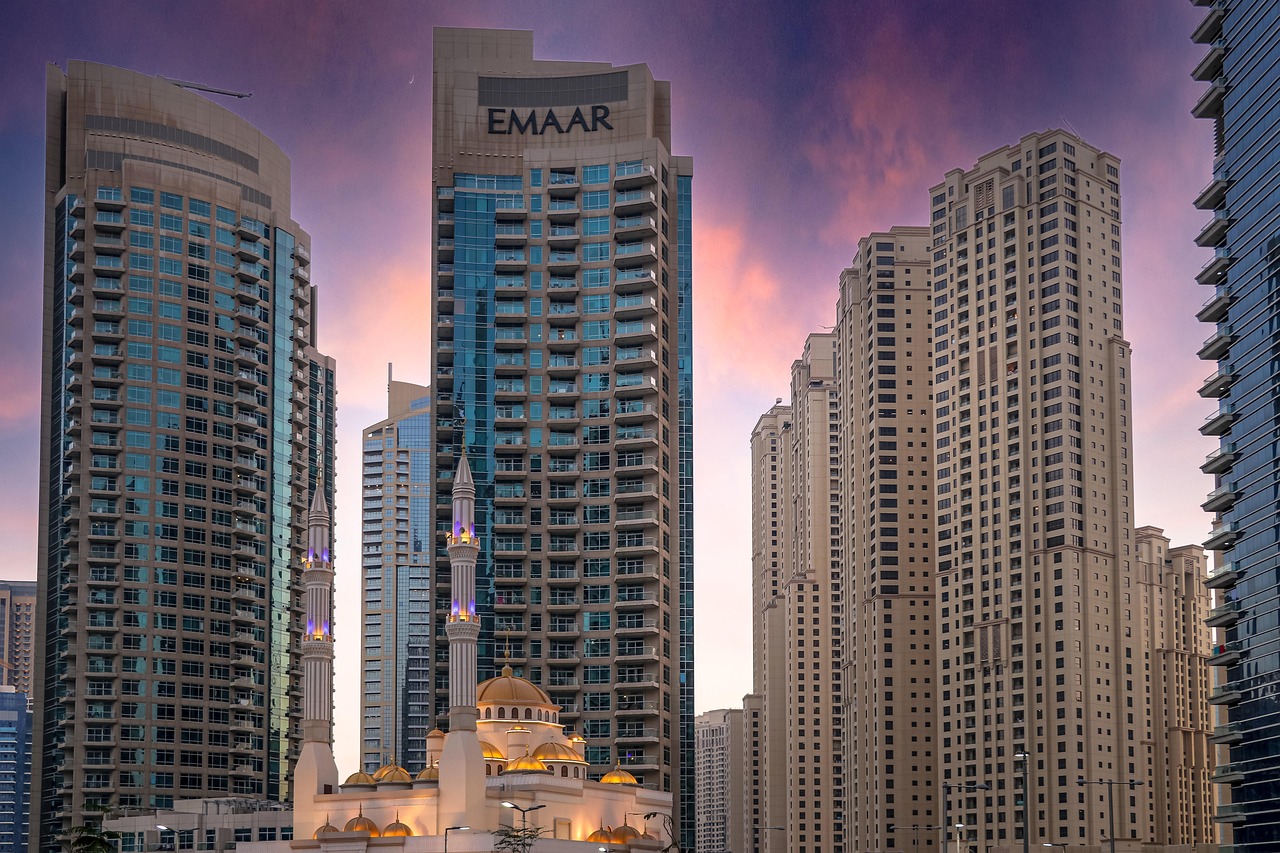
The Middle East is undergoing a quiet but powerful transformation in the global travel landscape. Once perceived primarily through the lens of geopolitics, the region is now emerging as a dynamic tourism hub—driven by innovation, strategic investment, and a growing focus on seamless travel experiences. At the heart of this shift is the rise of Electronic Immigration systems (EIR), a digital solution reshaping how travelers enter and move across countries.
This evolution is not just about convenience—it reflects a broader ambition to position the Middle East as one of the world’s most accessible, efficient, and attractive travel destinations.
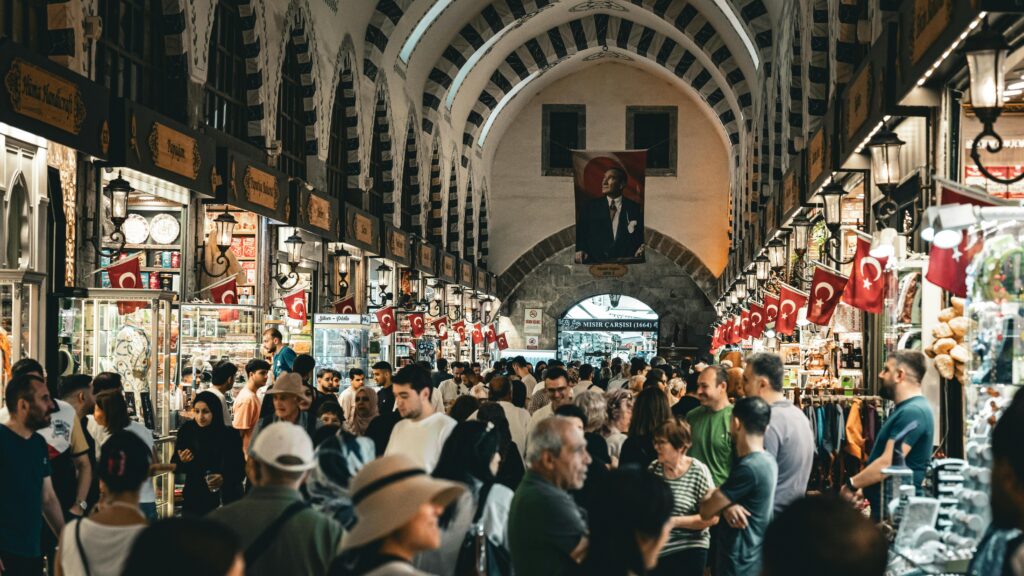
The Emergence of Electronic Immigration Systems (EIR)
Electronic Immigration systems are digital platforms that streamline visa applications, border control, and entry procedures. Instead of lengthy paperwork and in-person processing, travelers can now:
- Apply for visas online
- Receive approvals electronically
- Use automated systems at airports for faster entry
Countries across the Middle East are rapidly adopting these systems as part of their digital transformation strategies. The goal is simple: remove friction from the travel experience.
Why the Middle East Is Investing in Travel Technology
Tourism has become a key pillar of economic diversification in the region. Nations traditionally reliant on oil revenues are investing heavily in tourism infrastructure, aiming to attract millions of international visitors annually.
Key drivers include:
- Economic diversification plans (such as Saudi Arabia’s Vision 2030)
- Mega tourism projects (luxury resorts, cultural hubs, smart cities)
- Global events (Expo, international sports, and entertainment festivals)
EIR systems support these ambitions by making travel faster, safer, and more appealing.
Enhancing the Traveler Experience
Modern travelers expect efficiency. Long queues, complex visa processes, and uncertainty can discourage travel plans. Electronic Immigration addresses these pain points by offering:
Speed and Convenience
Travelers can complete immigration processes before even boarding their flights.
Predictability
Digital systems provide clear timelines and requirements, reducing confusion.
Contactless Travel
Post-pandemic preferences have accelerated demand for touchless, digital solutions.
This improved experience not only attracts more visitors but also encourages repeat travel.
Regional Collaboration and Connectivity
One of the most promising developments is the potential for regional integration. There are ongoing discussions about creating more unified travel frameworks across Middle Eastern countries.
This could lead to:
- Multi-country visas similar to the Schengen Area in Europe
- Easier cross-border travel for tourists
- Increased regional tourism circuits
Such collaboration would transform the Middle East from a collection of individual destinations into a cohesive travel region.

Economic Impact of Tourism Growth
Tourism is becoming a major economic engine:
- Creating jobs across hospitality, transport, and services
- Supporting small and medium-sized enterprises
- Driving investment in infrastructure and urban development
EIR systems indirectly contribute to this growth by lowering barriers to entry and increasing visitor numbers.
Challenges and Considerations
While the progress is significant, several challenges remain:
Data Security and Privacy
Digital immigration systems must safeguard sensitive traveler information.
Infrastructure Gaps
Not all regions have equal access to advanced technology or digital literacy.
Policy Alignment
Coordinating immigration policies across countries can be complex.
Balancing Security and Accessibility
Governments must ensure that streamlined processes do not compromise national security.
Sustainability and Responsible Tourism
As tourism grows, sustainability becomes increasingly important. The Middle East is beginning to integrate eco-conscious practices into its tourism strategies:
- Developing sustainable resorts
- Protecting natural and cultural heritage sites
- Promoting responsible travel behavior
Efficient immigration systems also contribute by reducing paper use and optimizing resource management.
The Future of Travel in the Middle East
Looking ahead, the region is poised to become a global leader in smart tourism. Innovations may include:
- Biometric-based travel (facial recognition entry systems)
- AI-driven visa approvals
- Fully integrated digital travel ecosystems
These advancements could make the Middle East one of the easiest regions in the world to visit.
Frequently Asked Questions (FAQs)
1. What is Electronic Immigration (EIR)?
It is a digital system that allows travelers to complete visa and entry procedures online, reducing the need for manual processing.
2. Which Middle Eastern countries are using EIR?
Several countries, including the UAE and Saudi Arabia, are leading in digital immigration systems, with others following.
3. How does EIR benefit travelers?
It offers faster processing, less paperwork, and a smoother airport experience.
4. Is EIR safe?
Yes, when properly implemented with strong cybersecurity measures and data protection protocols.
5. Will there be a unified Middle East visa?
Discussions are ongoing, but no full regional system exists yet.
6. How does tourism impact the region’s economy?
It creates jobs, boosts investment, and supports economic diversification.
7. Are these systems accessible to all travelers?
Most are designed to be user-friendly, but accessibility can vary depending on technology access and digital literacy.
8. What is the future of travel in the region?
It is expected to become more digital, seamless, and interconnected, with a strong focus on innovation.
The Middle East is redefining what it means to travel in the modern world. By embracing digital immigration and forward-thinking tourism strategies, the region is not only opening its doors wider—but doing so with efficiency, ambition, and a clear vision for the future.

Sources World Travel & Tourism Council

