
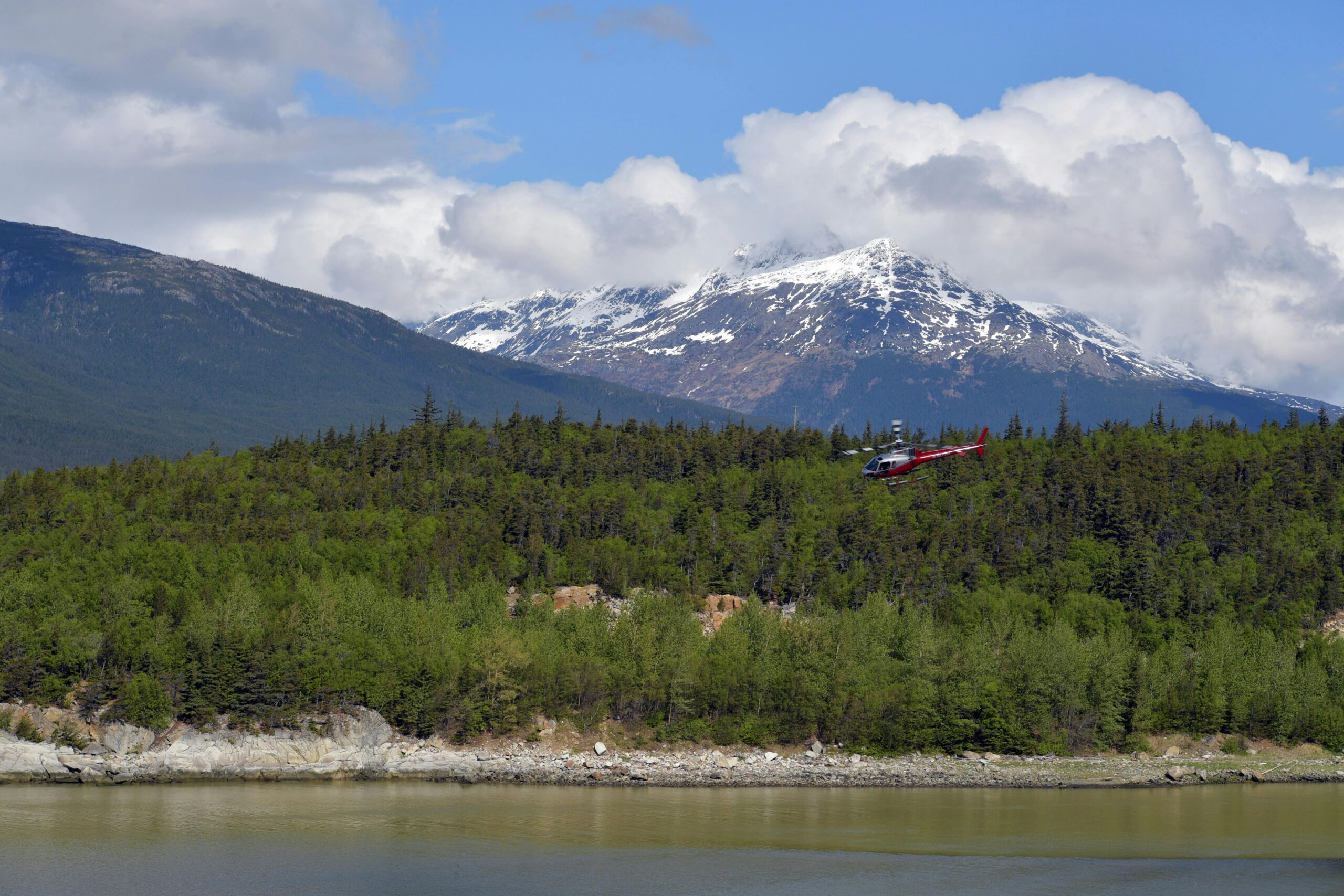
The Tongass National Forest in Alaska—the largest national forest in the United States—is a place of extraordinary ecological richness, cultural heritage, and природная beauty. Spanning nearly 17 million acres, it is home to temperate rainforests, wildlife populations, and Indigenous communities with deep historical ties to the land.
As tourism in Alaska continues to grow, the U.S. Forest Service is now seeking public input on proposed commercial tourism zones within the Tongass. While the KTOO article introduces the initiative, the broader issue reflects a complex balancing act between economic opportunity, environmental conservation, Indigenous rights, and sustainable tourism management.

What Is the Tongass National Forest?
1. A Unique Ecosystem
The Tongass is:
- The largest temperate rainforest in the world
- Home to species such as bears, bald eagles, salmon, and wolves
- A critical carbon sink that helps regulate climate
2. Cultural and Indigenous Significance
The forest is also:
- The ancestral homeland of Indigenous groups such as the Tlingit, Haida, and Tsimshian
- A source tradition, and identity
3. A Growing Tourism Destination
Visitors are drawn to:
- Glacier tours
- Wildlife viewing
- Cruise ship excursions
- Adventure activities like kayaking and hiking
What Are Commercial Tourism Zones?
1. Definition
Commercial tourism zones are designated areas where:
- Guided tours
- Recreational services
- Commercial
can operate under regulated conditions.
2. Purpose of Zoning
The Forest Service aims to:
- Organize tourism activity
- Reduce environmental impact
- Improve visitor experience
3. Public Input Process
The agency is inviting:
- Local communities
- Businesses
- Environmental groups
- Indigenous organizations
to provide feedback on how tourism should be managed.
Why the Forest Service Is Taking Action
1. Rising Visitor Numbers
Tourism in Alaska has increased significantly due to:
- Cruise industry growth
- Global interest in wilderness travel
- Social media exposure
2. Environmental Concerns
Increased tourism can lead to:
- Trail erosion
- Wildlife disturbance
- Pollution and waste
3. Need for Structured Management
Without clear guidelines:
- Overuse can damage fragile ecosystems
- Conflicts may arise between user groups
Potential Benefits of Tourism Zoning
1. Environmental Protection
Zoning can:
- Limit activity in sensitive areas
- Concentrate tourism in designated zones
- Preserve biodiversity
2. Economic Opportunities
Local economies can benefit from:
- Job creation
- Growth in guiding and services
- Increased visitor spending
3. Improved Visitor Experience
Managed tourism can offer:
- Less crowded environments
- Better and infrastructure
- Safer and more organized activities

Concerns and Controversies
1. Impact on Indigenous Communities
Some concerns include:
- Loss of access to traditional lands
- Cultural disruption
- Insufficient consultation
2. Commercialization of Wilderness
Critics argue that:
- Expanding commercial zones may prioritize profit over preservation
- Wilderness values could be compromised
3. Environmental Risks
Even regulated tourism can:
- Stress ecosystems
- Disrupt wildlife behavior
The Role of Indigenous Voices
1. Traditional Knowledge
Indigenous communities offer:
- Deep ecological understanding
- Sustainable land-use practices
2. Co-Management Opportunities
Involving Indigenous groups can:
- Improve decision-making
- Ensure cultural respect
- Promote equitable benefits
Lessons from Other Protected Areas
1. National Parks in the U.S.
Many parks use:
- Zoning systems
- Visitor limits
- Permit requirements
2. International Examples
Countries worldwide are:
- Managing tourism through quotas
- Promoting eco-tourism
- Balancing conservation and access
Sustainable Tourism in the Tongass
1. Principles of Sustainability
Effective tourism management should:
- Minimize environmental impact
- Respect cultural heritage
- Support local communities
2. Low-Impact Tourism
Encouraging:
- Small-group tours
- Eco-friendly practices
- Responsible visitor behavior
3. Education and Awareness
Visitors should be informed about:
- Wildlife
- Cultural sensitivity
- Environmental responsibility
Economic vs. Environmental Balance
1. Economic Importance
Tourism provides:
- Income for local communities
- Opportunities for small businesses
2. Environmental Responsibility
Long-term success depends on:
- Protecting natural resources
- Preventing overuse
3. Finding the Middle Ground
The goal is to:
- Support economic growth
- Preserve ecological integrity
The Future of Tourism in the Tongass
1. Adaptive Management
Policies may evolve based on:
- Environmental monitoring
- Visitor trends
- Community feedback
2. Technology Integration
Tools such as:
- Visitor tracking systems
can improve management.
3. Long-Term Vision
A sustainable model would:
- Balance access and protection
- Ensure benefits for future generations
Frequently Asked Questions (FAQs)
1. What is the Tongass National Forest?
It is the largest national forest in the U.S., located in Alaska and known for its rainforest ecosystem.
2. What are commercial tourism zones?
Designated areas where regulated tourism activities can take place.
3. Why is the Forest Service seeking public input?
To ensure that tourism management reflects community needs and environmental priorities.
4. What are the benefits of zoning?
Environmental protection, economic growth, and improved visitor experiences.
5. What are the concerns?
Impact on Indigenous communities, environmental risks, and commercialization of wilderness.
6. How can tourism be made sustainable?
Through regulation, education, and low-impact practices.
7. Will tourism increase in the Tongass?
Likely yes, but efforts aim to manage growth responsibly.
Conclusion
The debate over commercial tourism zones in the Tongass National Forest highlights a fundamental challenge facing destinations worldwide: how to share natural wonders without destroying them.
By seeking public input, the Forest Service is taking an important step toward inclusive decision-making. The outcome will shape not only the future of tourism in the Tongass but also serve as a model for managing fragile ecosystems in an era of growing global travel.
Ultimately, the goal is clear: to ensure that the Tongass remains not just a destination—but a living, thriving ecosystem and cultural homeland for generations to come.

Sources KTOO

