
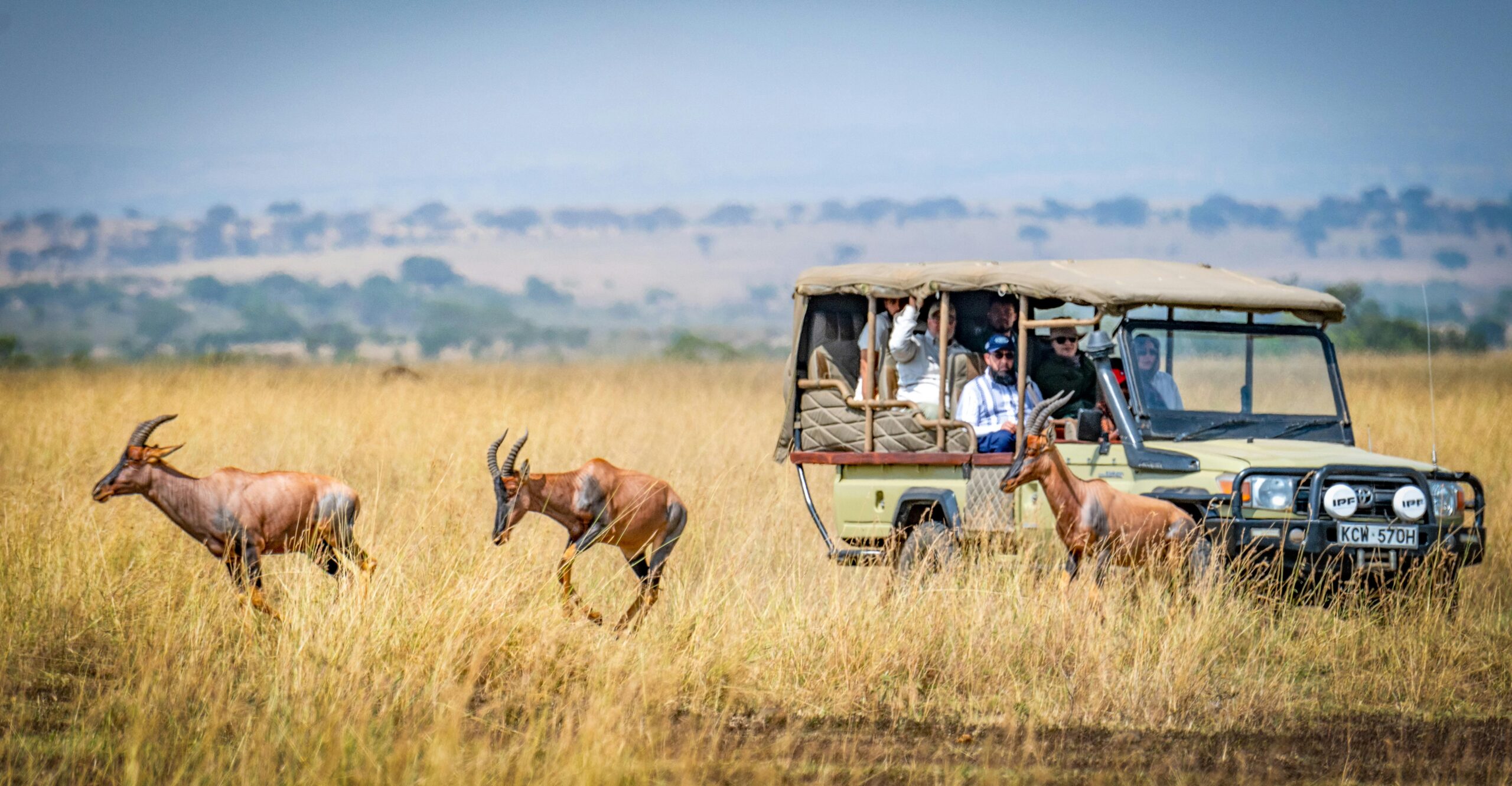
For decades, going on safari has been synonymous with capturing unforgettable moments—lions on the hunt, elephants at sunset, and vast African landscapes framed perfectly for the camera. But a growing movement is challenging. As highlighted in the BBC Travel article, some safari operators are introducing strict rules: no selfies, limited phone use, and a renewed focus on presence over documentation.
This shift reflects a deeper in travel philosophy—one that prioritizes ethical wildlife encounters, environmental responsibility, and meaningful human connection with nature. Beyond the headlines, these new rules signal a redefinition of what it means to truly experience the wild.

Why Safari Rules Are Changing
1. The Rise of “Distraction Tourism”
Modern travelers often:
- View experiences through screens
- Focus on capturing content rather than living the moment
- Share experiences instantly on social media
In safari settings, this can:
- Reduce awareness of surroundings
- Distract from wildlife behavior
- Create safety risks
2. Impact on Wildlife
Phones and cameras can affect animals by:
- Producing noise (shutter sounds, alerts)
- Causing sudden movements
- Encouraging closer, intrusive encounters
This can lead to:
- Stress for animals
- Disruption of natural behavior
- both wildlife and visitors
3. Safety Concerns
Safari environments are unpredictable:
- Wildlife can react unexpectedly
- Attention is critical for safety
Distraction from devices can:
- Delay reaction times
- Increase risk during encounters
What Are the New Safari Rules?
1. No Selfies with Wildlife
Many operators now prohibit:
- Close-up photos with animals
- Risky positioning for “perfect shots”
2. Limited or No Phone Use
Some safaris encourage:
- Device-free experiences
- Phones kept on silent or stored away
3. Guided Photography Only
In certain cases:
- Photography is allowed under guide supervision
- Emphasis is placed on respectful distance
4. Focus on Observation
Guests are encouraged to:
- Watch animal behavior
- Listen to natural sounds
- Engage with the environment
The Philosophy Behind Device-Free Safaris
1. Mindfulness and Presence
Without digital distractions, travelers can:
- Fully immerse in the environment
- Experience deeper emotional connections
- Notice subtle details
2. Reconnecting with Nature
Safari becomes less about documentation and more about:
- Sensory experience
- Personal reflection
- Authentic engagement
3. Redefining Luxury Travel
For many high-end safari operators:
- True luxury is now defined by exclusivity and depth of experience
- Not by content creation or social media visibility
The Ethical Dimension of Wildlife Tourism
1. Respecting Animal Welfare
Ethical safaris prioritize:
- Non-intrusive observation
- human impact
- Preservation of natural behavior
2. Combating “Wildlife Exploitation Tourism”
Restrictive rules help reduce:
- Forced animal interactions
- Staged photo opportunities
- Harmful tourism practices
3. Conservation Awareness
Visitors gain a better understanding of:
- Ecosystem balance
- Conservation challenges
- The importance of wildlife

The Role of Safari Guides
1. Educators and Protectors
Guides are responsible for:
- Ensuring safety
- Interpreting animal behavior
- Educating guests
2. Enhancing the Experience
Without devices, guides can:
- Provide richer storytelling
- Encourage engagement
- Foster curiosity
Traveler Reactions: Mixed but Evolving
1. Initial Resistance
Some travelers feel:
- Frustrated by restrictions
- Concerned about missing photo opportunities
2. Unexpected Benefits
Many report:
- Greater enjoyment
- Stronger memories
- More meaningful experiences
3. A Shift in Expectations
Travelers are increasingly:
- Valuing authenticity over content
- Seeking deeper connections
The Influence of Social Media
1. The Pressure to Capture
Platforms like Instagram have:
- Encouraged “photo-first” travel
- Created expectations for visual content
2. Changing Travel Narratives
Device-free safaris challenge:
- The idea that experiences must be shared instantly
- The notion that value equals visibility
Broader Trends in Tourism
1. Digital Detox Travel
Growing demand for:
- Screen-free environments
- Mindful experiences
2. Slow Travel Movement
Emphasizes:
- Quality over quantity
- Deeper engagement with destinations
3. Responsible Tourism
Focuses on:
- Minimizing environmental impact
- Respecting local ecosystems and cultures
Challenges of Implementing New Rules
1. Enforcement
Operators must:
- Clearly communicate guidelines
- Ensure compliance without alienating guests
2. Balancing Expectations
Travelers still want:
- Memories to take home
- Some level of documentation
3. Commercial Considerations
Tourism businesses must:
- Remain competitive
- Adapt to changing preferences
Tips for Travelers on Device-Free Safaris
1. Prepare Mentally
- Accept the experience as immersive
- Adjust expectations around photography
2. Bring Alternative Tools
- Use binoculars
- Keep a travel journal
3. Trust Your Memory
- Focus on observation
- Engage all senses
4. Respect the Rules
- Follow guide instructions
- Prioritize safety and ethics
The Future of Safari Experiences
1. More Immersive Adventures
Expect:
- Increased focus on presence
- Customized, low-impact experiences
2. Integration of Technology (Carefully)
Some safaris may offer:
- Professional photography services
- Controlled use of devices
3. Continued Emphasis on Conservation
Tourism will increasingly support:
- Wildlife protection
- Sustainable practices
Frequently Asked Questions (FAQs)
1. Why are phones restricted on safaris?
To reduce distractions, improve safety, and protect wildlife from disturbance.
2. Are cameras completely banned?
Not always. Some safaris allow controlled photography under guidelines.
3. Will I miss out without taking photos?
Many travelers find the experience more meaningful and memorable without constant photography.
4. Are these rules common everywhere?
They are becoming more popular, especially in high-end and eco-conscious safari experiences.
5. How do these rules help conservation?
By minimizing human impact and promoting respectful wildlife observation.
6. Can I still document my trip?
Yes, through journaling, guided photography, or post-experience reflections.
7. Is this trend growing?
Yes, as travelers seek more authentic and responsible travel experiences.
Conclusion
The new rules of safari—no selfies, limited phone use, and a focus on presence—represent a powerful shift in how we approach travel. In a world increasingly dominated by screens, these experiences offer something rare: the chance to truly be present.
By prioritizing ethics, safety, and authenticity, safari operators are redefining what it means to explore the wild. For travelers willing to embrace this change, the reward is not just a better trip—but a deeper connection to nature that no photo can fully capture.

Sources BBC

